
Once again… at 12.01 on the 9th of September, I downloaded the latest Dan Brown novel as I was eagerly awaiting the next installment of the Robert Langdon stories. But urgh…. I even switched to paperback at 5pm in hope that the feel of an actual book would improve the storyline. But alas, it did not. Now I am out $17 for the eBook and $30 for the physical copy with little to show for it.
Dan Brown’s The Secret of Secrets reads more like a glitzy façade than a compelling novel—an elaborate construct designed to dazzle, but lacking any real substance. It’s the literary equivalent of fake veneers: glossy, over-polished, and desperate to be taken seriously. While it promises a deep dive into consciousness and ancient mysteries, what it actually delivers is a recycled thriller dressed up in pseudo-intellectual jargon.
All Shine, No Substance
The story sees Robert Langdon once again caught up in a convoluted plot, this time involving noetic science and a missing manuscript that supposedly holds the key to unlocking human potential. But instead of genuine intrigue, we’re handed a tired formula: cryptic symbols, secret societies, and chase scenes that feel like they’ve been lifted straight from his earlier books or a poorly made James Bond (Yes Timothy Dalton, I am thinking of you!). The pacing is frantic, but not in a good way—it’s like being dragged through a trivia night hosted by someone who’s memorised the answers but lost the passion.
FYI – Noetic comes from the Greek for inner wisdom and intuition—none of which made it into this book. Honestly, I’ve had deeper thoughts staring at the Bunnings sausage sizzle queue.
Prague, one of the novel’s main settings, should be a rich, gothic playground for mystery and intrigue. As one of the oldest cities in Europe, Brown could have leaned into its heritage and legend in a far more effective manner like he did in Angels and Demons. But Brown’s use of it in this novel feels opportunistic. The city’s legends and architecture are reduced to mere backdrop, with little emotional weight or narrative depth. It’s all surface-level spectacle, with historical references thrown in like confetti to distract from the lack of character development.
The book’s central theme—consciousness as a cosmic force—could have been fascinating. Instead, it’s treated like a buzzword, tossed around without any real exploration. The science is muddled (and stupid), the philosophy is shallow, and the dialogue often reads like a motivational seminar gone off the rails. Rather than provoking thought, it provoked a significant number of eye-rolls and venting.
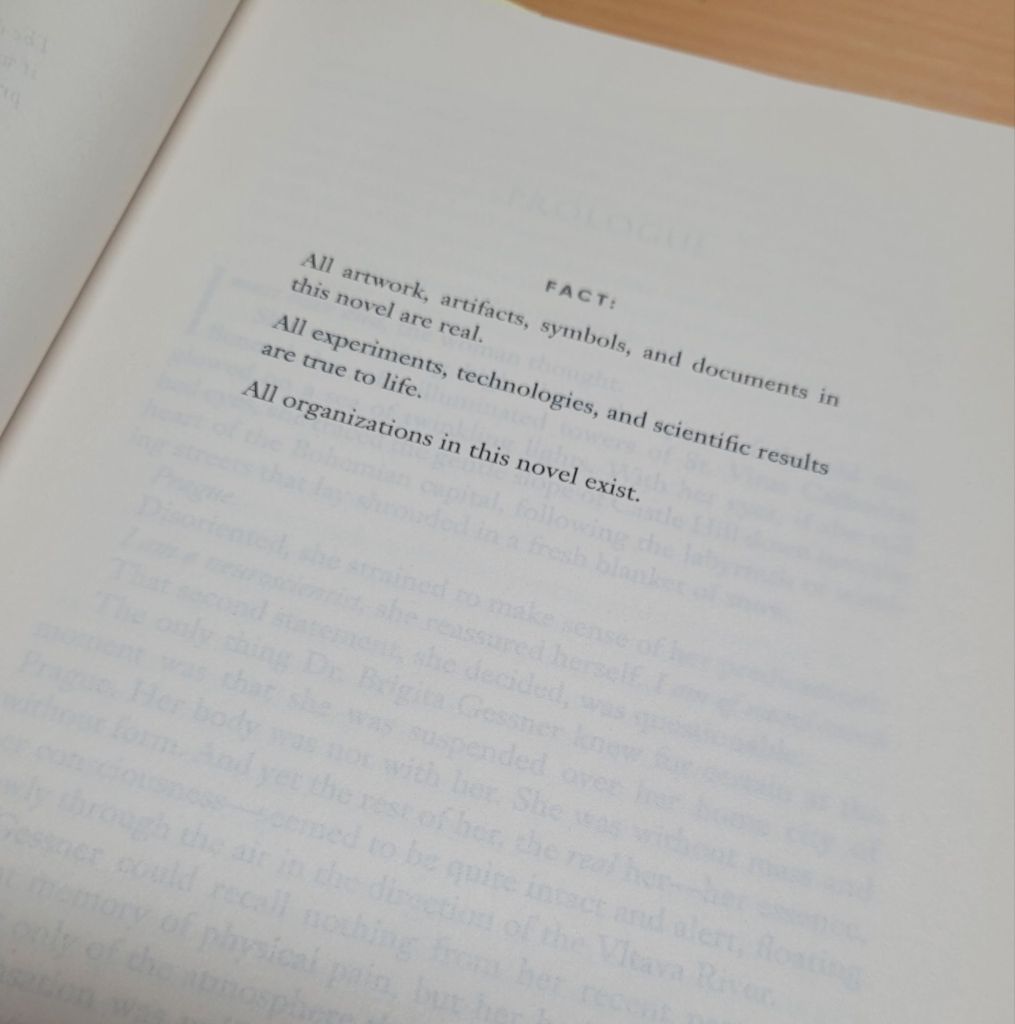
Even Langdon, once a likeable and cerebral lead, feels like a parody of himself. His quirks—like the ever-present Mickey Mouse watch—now seem forced, and his reactions to danger border on slapstick. The villains are cartoonish, the twists are predictable, and the stakes never feel authentic.
It’s a far fall from Brown’s earlier works like Angels & Demons and The Da Vinci Code, which—while not perfect—had a sense of urgency and originality that kept readers hooked. His last truly engaging novel was Inferno, which at least attempted to grapple with real-world ethical dilemmas and global stakes. Since then, it feels like Brown has been chasing the shadow of his own success, layering spectacle over substance in hopes of recapturing the magic.

And to be fair, The Secret of Secrets had a tough benchmark to meet—Galbraith’s Hallmarked Man has officially been my best read this year. Compared to that, Brown’s latest effort feels like a pale imitation of depth and drama.
In the end, The Secret of Secrets tries to be profound but lands as pretentious. It’s a book that wants to be taken seriously, but beneath the polished surface, there’s not much going on. If you’re after a thriller that genuinely challenges your thinking, this one might leave you feeling short-changed—like you’ve been sold wisdom in a shiny wrapper, only to find it’s all gloss and no grit.
 Learning through the Library