
This blog post builds on ideas introduced in my earlier discussion of disciplinary literacy and vocabulary development in Language Learning and the Power of the Library. The present work extends that discussion by examining semantic mapping as an evidence informed pedagogical strategy and by considering the role of the Teacher Librarian in supporting vocabulary development across curriculum areas.
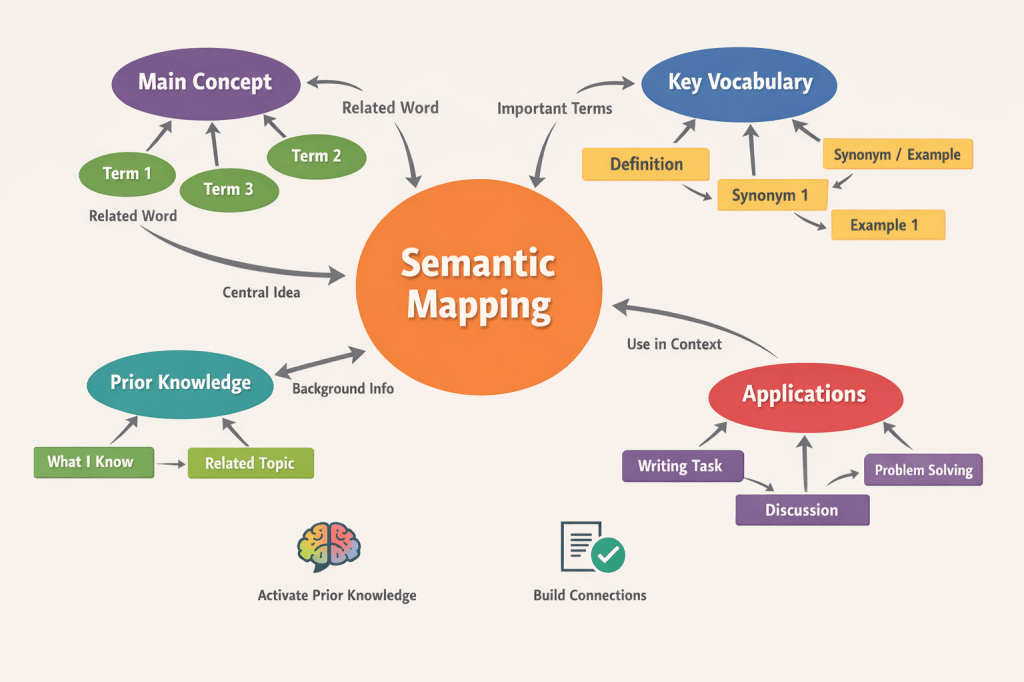
Semantic mapping is a widely recognised pedagogical practice that enables learners to make deliberate connections between words, ideas and concepts using a visual format. Research in educational neuroscience shows that approaches which activate prior knowledge help reduce demands on working memory and support the integration of new information (Mitra and Spence 2023). When students cluster and organise vocabulary around conceptual relationships, they construct deeper and more coherent understandings of disciplinary terminology. Udaya (2022) argues that this relational organisation is central to the effectiveness of semantic mapping, as it encourages students to engage with word meaning in an active, cognitively purposeful manner. Through this process, learners are supported to apply new vocabulary confidently in both written and verbal contexts.
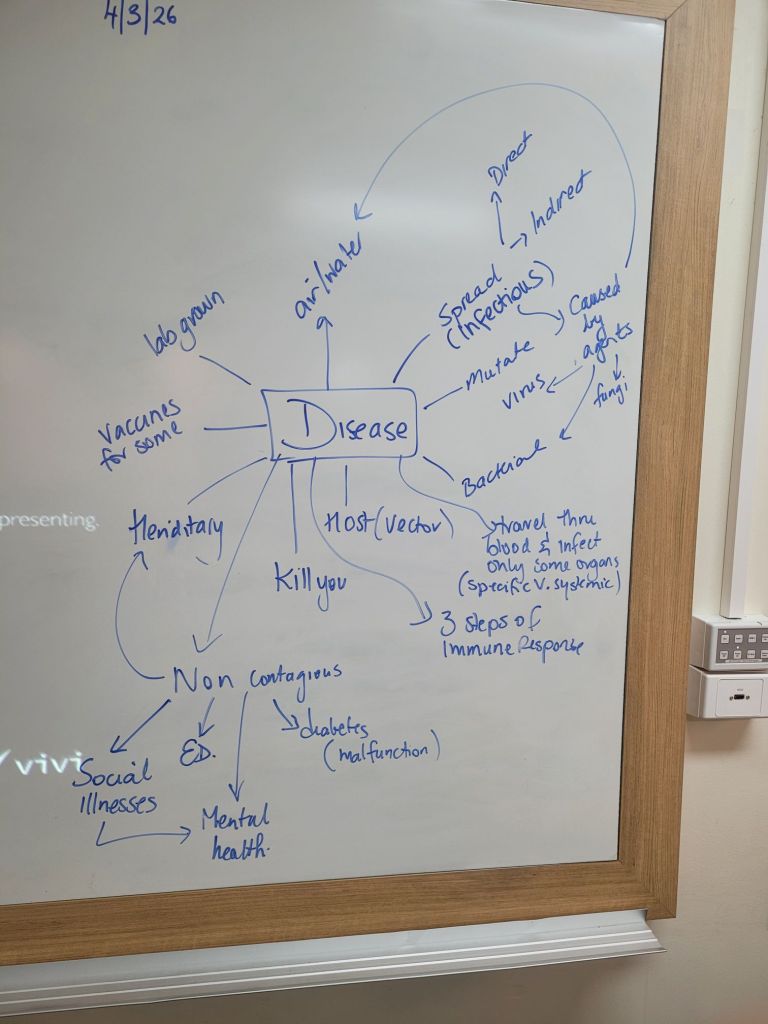
Vocabulary development is a cumulative process that requires repeated encounters with words across varied contexts in order for meaning to be fully understood, applied and retained. Research indicates that students who possess extensive vocabularies are better equipped to access complex academic texts and produce sophisticated analytical responses (Udaya 2022). Semantic mapping contributes to this development by activating relevant schema and creating meaningful connections between new concepts and existing knowledge. These connections facilitate the transfer of information from working memory to long term memory and reduce cognitive load, which is an essential consideration when introducing high volumes of new terminology.
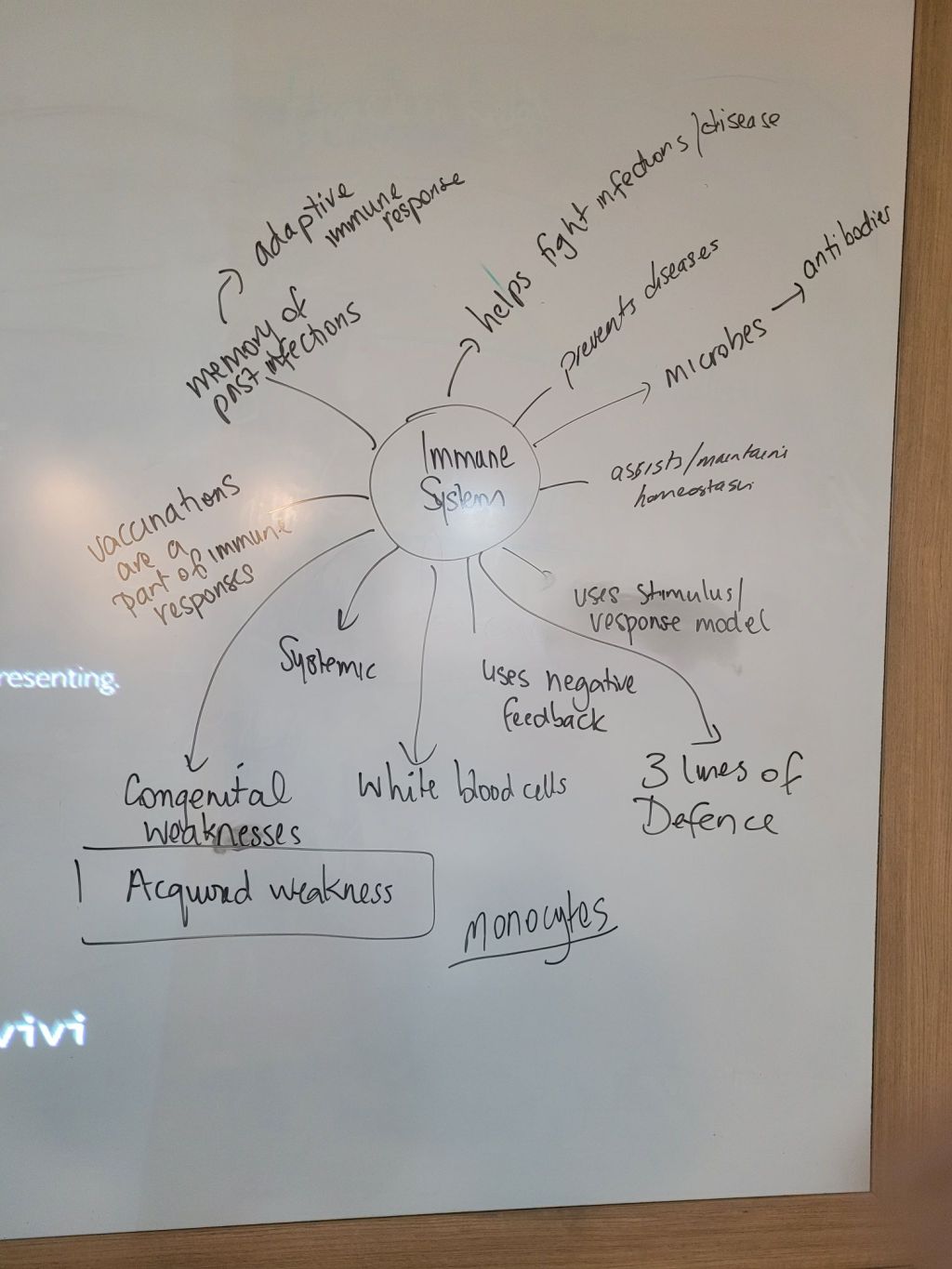
The value of semantic mapping extends across all year levels and curriculum areas. It can be used to elicit prior knowledge at the beginning of a unit, to support structured note taking or to provide formative assessment opportunities that reveal students emerging conceptual understandings. Its importance becomes particularly evident in secondary schooling. Curriculum sequencing in subjects such as Humanities and Science often involves long periods between initial instruction and later revisiting of content. Students may engage with a unit at one point in their schooling and then not encounter that content again for up to two years, often at a more complex cognitive level. During this interval learners typically study numerous unrelated units, which reduces the likelihood that vocabulary from earlier study will be retained. As a result students frequently re enter familiar units with limited recall of key terms and concepts, which can inhibit progress and deepen misconceptions.
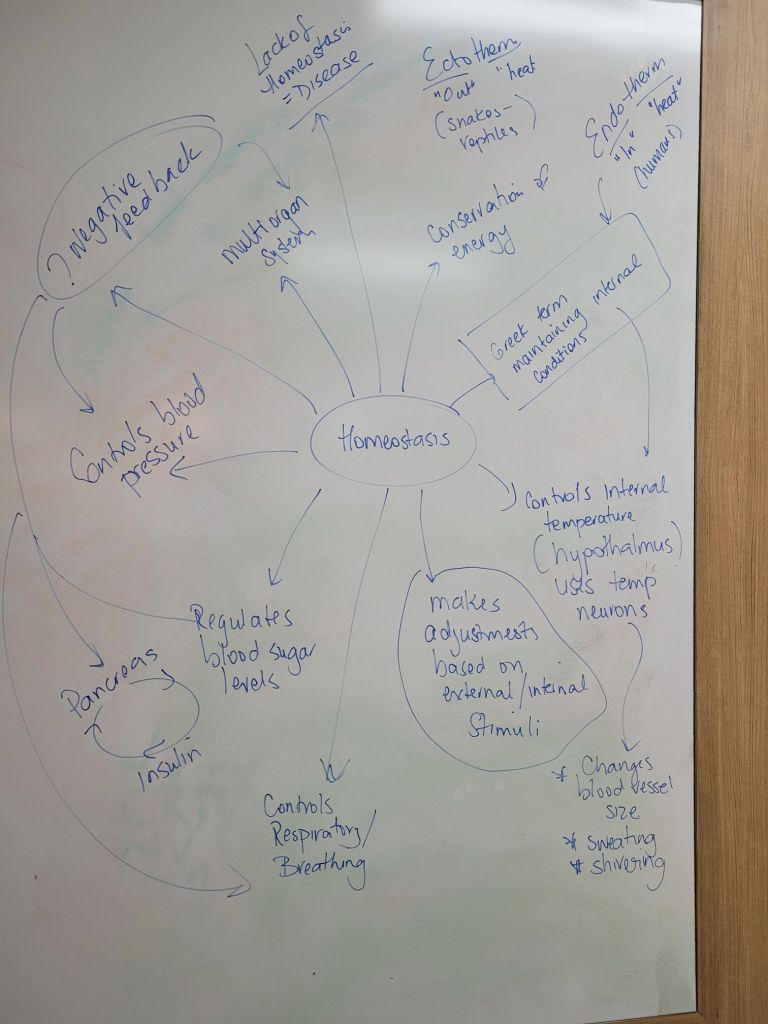
Semantic mapping offers a structured and explicit method for re establishing these conceptual networks. Its effectiveness is enhanced when combined with a Lexile levelled text set, which provides multiple texts on the same topic at varying reading levels. This approach ensures that all learners can access essential vocabulary in contexts that match their reading proficiency. By encountering the same terminology across several texts, students strengthen their understanding of word meaning and improve decoding and comprehension skills. This combination of explicit vocabulary instruction and appropriately differentiated reading material contributes to greater confidence and academic resilience in content heavy subjects.
Teacher Librarians play a central role in supporting vocabulary development and curriculum implementation within Australian schools. The Standards of Professional Excellence for Teacher Librarians, developed by ASLA and ALIA, affirm the professional knowledge, pedagogical capability and resource curation expertise that TLs contribute to school learning environments. These standards emphasise the responsibility of TLs to collaborate with teachers, design quality learning experiences and ensure that the school collection provides rich and accurate resources that align with curriculum requirements. ASLA’s work with AITSL further highlights the TL’s leadership in supporting effective teaching strategies, including approaches that foster critical and creative thinking skills (ASLA 2014, Uther and Pickworth 2014).
Within this professional framework, the Teacher Librarian is uniquely positioned to champion evidence informed strategies such as semantic mapping and to curate high quality Lexile levelled text sets that align with disciplinary vocabulary needs. By working in partnership with classroom teachers, TLs ensure that vocabulary instruction is coherent, accessible and pedagogically robust across learning areas and year levels. This collaboration supports a consistent and structured approach to disciplinary language development, which is essential for student success in increasingly complex academic environments.
References
Australian Library and Information Association, & Australian School Library Association. (2004). Standards of professional excellence for teacher librarians. ALIA/ASLA.
Mitchell, P. (2001). Standards for teacher librarians in Australia. Joint Conference of the Australian School Library Association and the Children’s Book Council of Australia.
Mitra, A., & Spence, L. (2023). Educational neuroscience for literacy teachers: Research‑backed methods and practices for effective reading instruction. Routledge.
Udaya, P. (2022). Using semantic maps as a teaching strategy for vocabulary development. European Journal of English Language Teaching, 6(5). https://doi.org/10.46827/ejel.v6i5.4095Uther, J., & Pickworth, M. (2014). Using the AITSL standards to support the TL as a leader. Australian School Library Association (ASLA)
 Learning through the Library