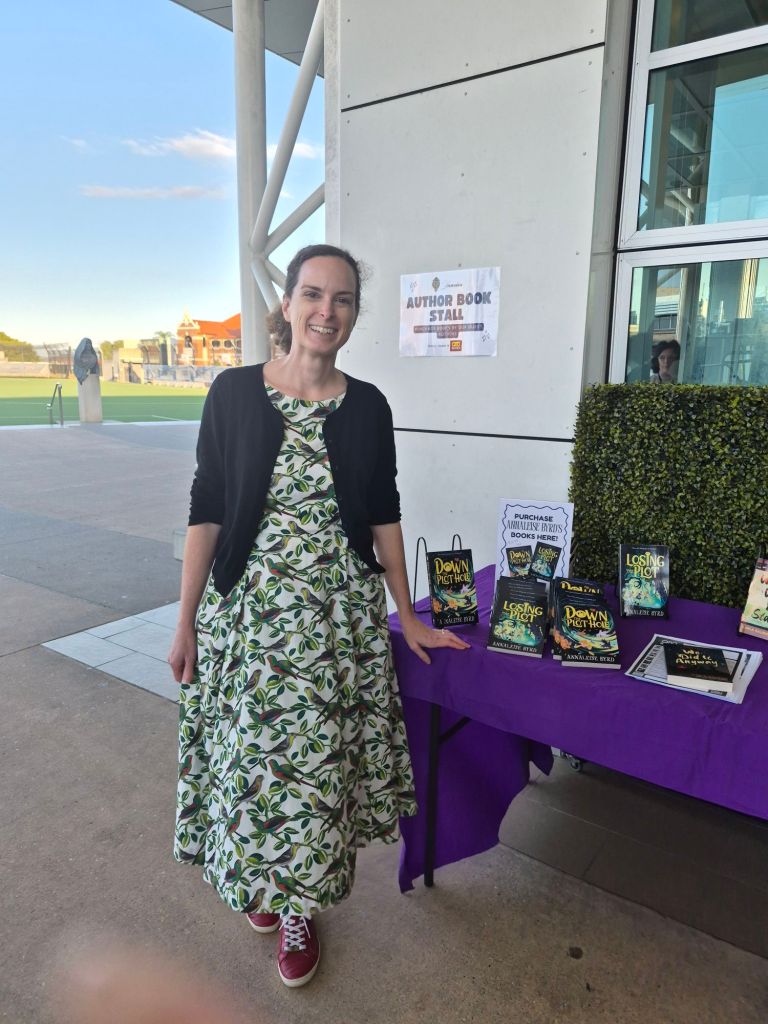
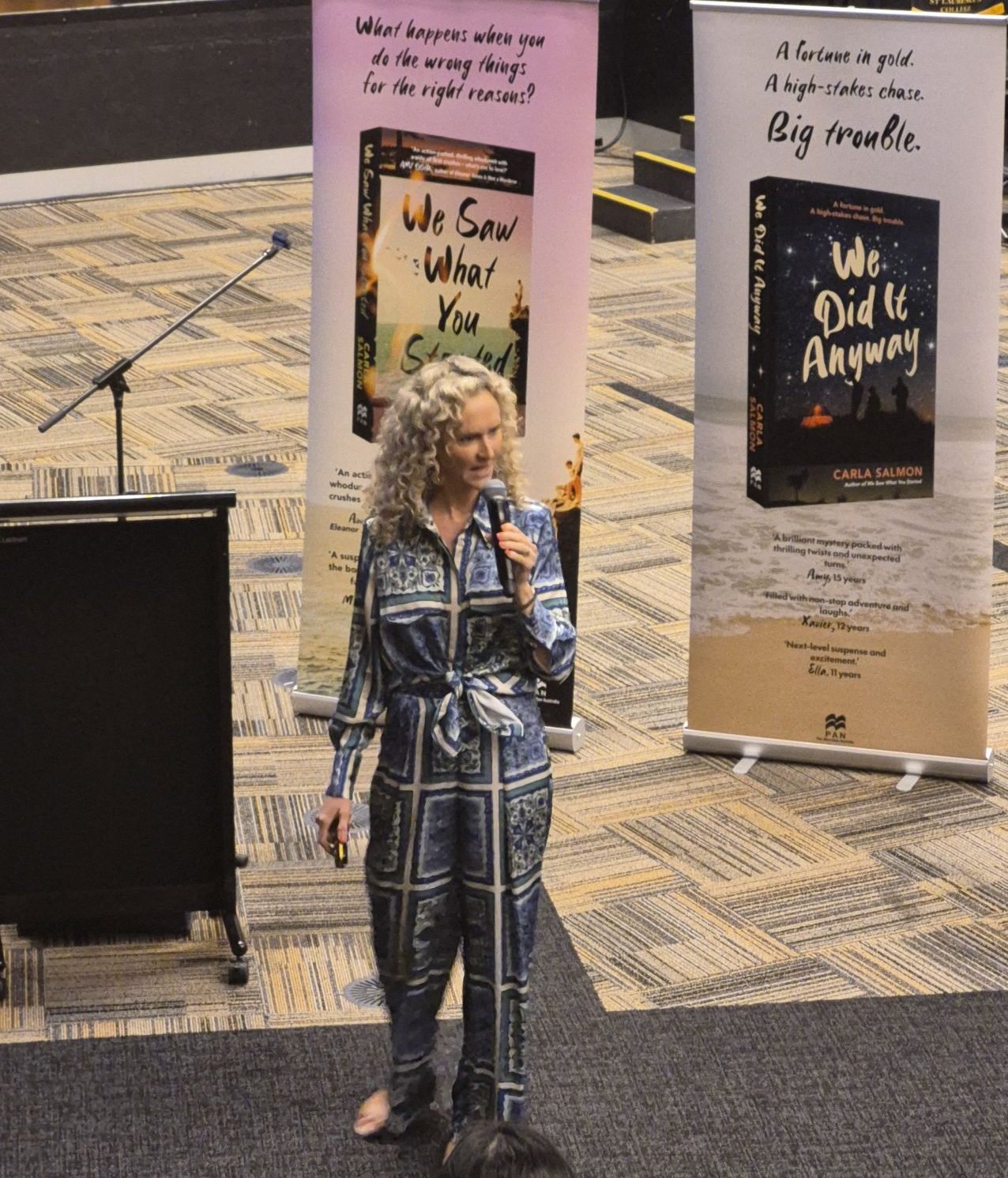
As part of our Book Week celebrations and this year’s CBCA theme, A Symphony of Stories, students at my school were treated to a memorable author event, A Sound of Storytelling. The event brought together two remarkable Australian authors, Annaleise Byrd and Carla Salmon, who shared their experiences of creativity, imagination, and the transformative power of storytelling.
The idea of a symphony is a fitting metaphor for stories. Just as every instrument contributes its own unique voice to an orchestra, every story offers a different perspective, experience, and adventure. Author visits provide students with the opportunity to hear directly from the creators behind the books they read, helping them understand that stories begin with imagination, curiosity, and a willingness to explore ideas. Research consistently shows that author talks can have a powerful impact on reader engagement, inspiring students to read more widely, connect with books on a deeper level, and see themselves as potential writers and storytellers.
Annaleise Byrd opened the event with her trademark wit and wonderfully droll storytelling. Despite technical issues with laptops undergoing a forced update mid presentation, Annaleise soon had students were laughing as she invited volunteers to the stage to re-enact one of her scenes, bringing her stories vividly to life.
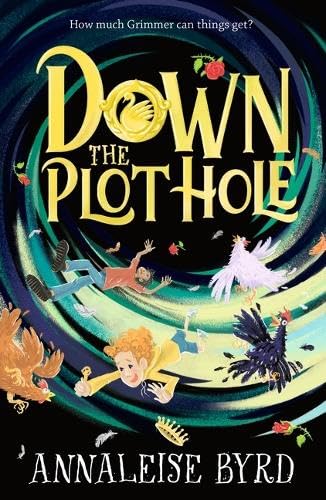
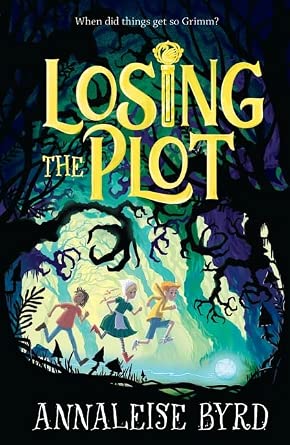
Annaleise shared the inspiration behind her novels Losing the Plot and Down the Plot Hole, transporting students to the magical world of Grimmveldt, or “Grimm World”. Through stories of her visit there, she demonstrated how writers draw on experiences, observations, and a healthy dose of imagination to create rich fictional worlds. Her presentation reminded students that creativity often begins by asking “what if?” and having the courage to follow an idea wherever it leads.
Carla Salmon followed with an equally engaging presentation that showcased her infectious enthusiasm for creative writing. Taking students behind the scenes of her novels, Carla revealed how authors find inspiration in the world around them. She unpacked how places, people, and events from real life can spark fictional narratives, sharing fascinating examples from her own work. Students were particularly captivated by the story of the 3,000-tonne theft of maple syrup, a real-world event that helped inspire aspects of her storytelling. Carla’s session highlighted that writers are keen observers of life, constantly collecting ideas and transforming them into stories that entertain, challenge, and inspire readers.
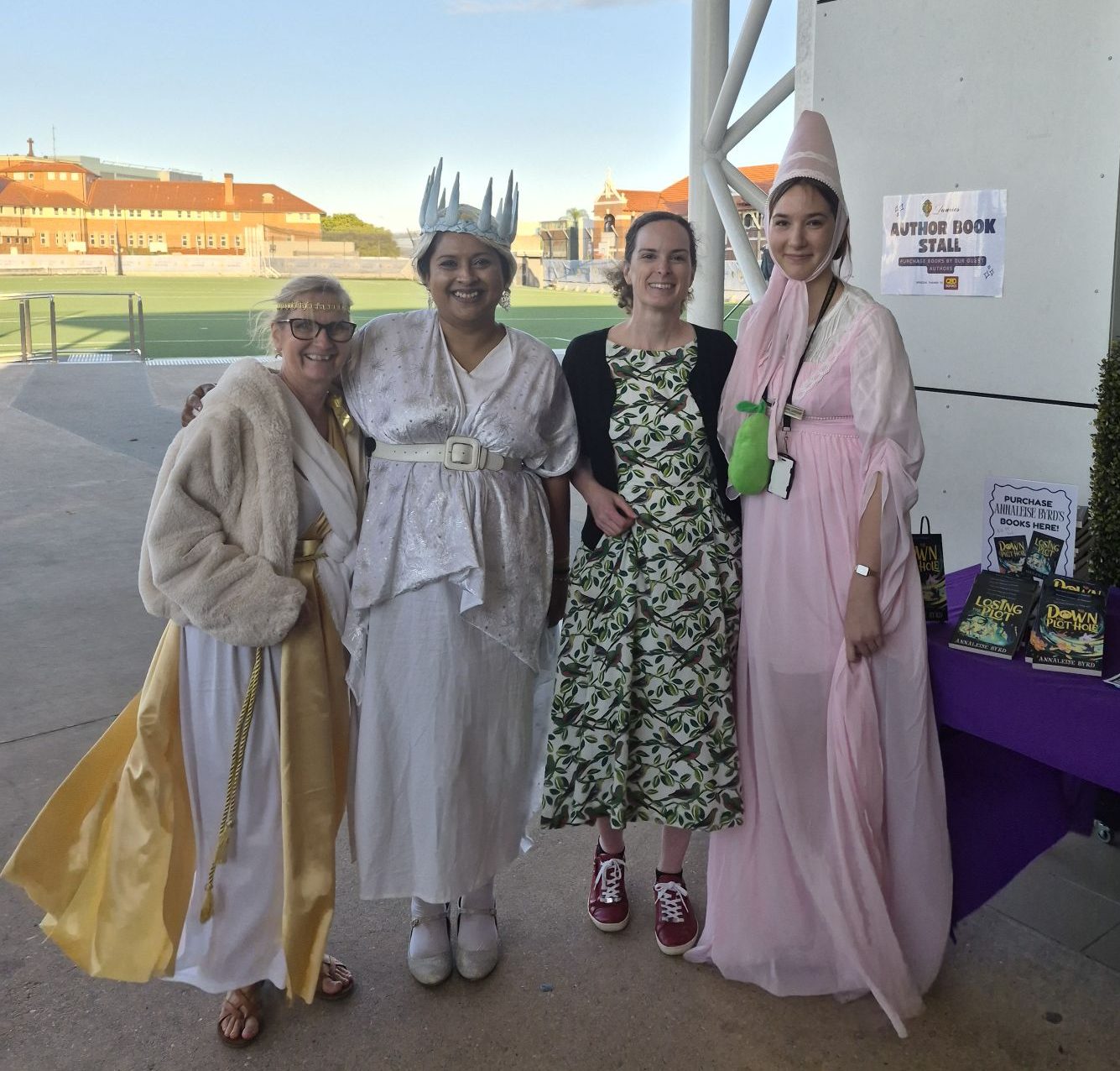
Annaleise and our Library Team. All dressed up for Book Week Celebrations.
Together, both authors demonstrated that storytelling is much like a symphony. Ideas, experiences, emotions, imagination, and words come together to create something greater than the sum of their parts. Their presentations reinforced the important role stories play in helping young people understand themselves and the world around them while encouraging them to think creatively and embrace their own imaginations.
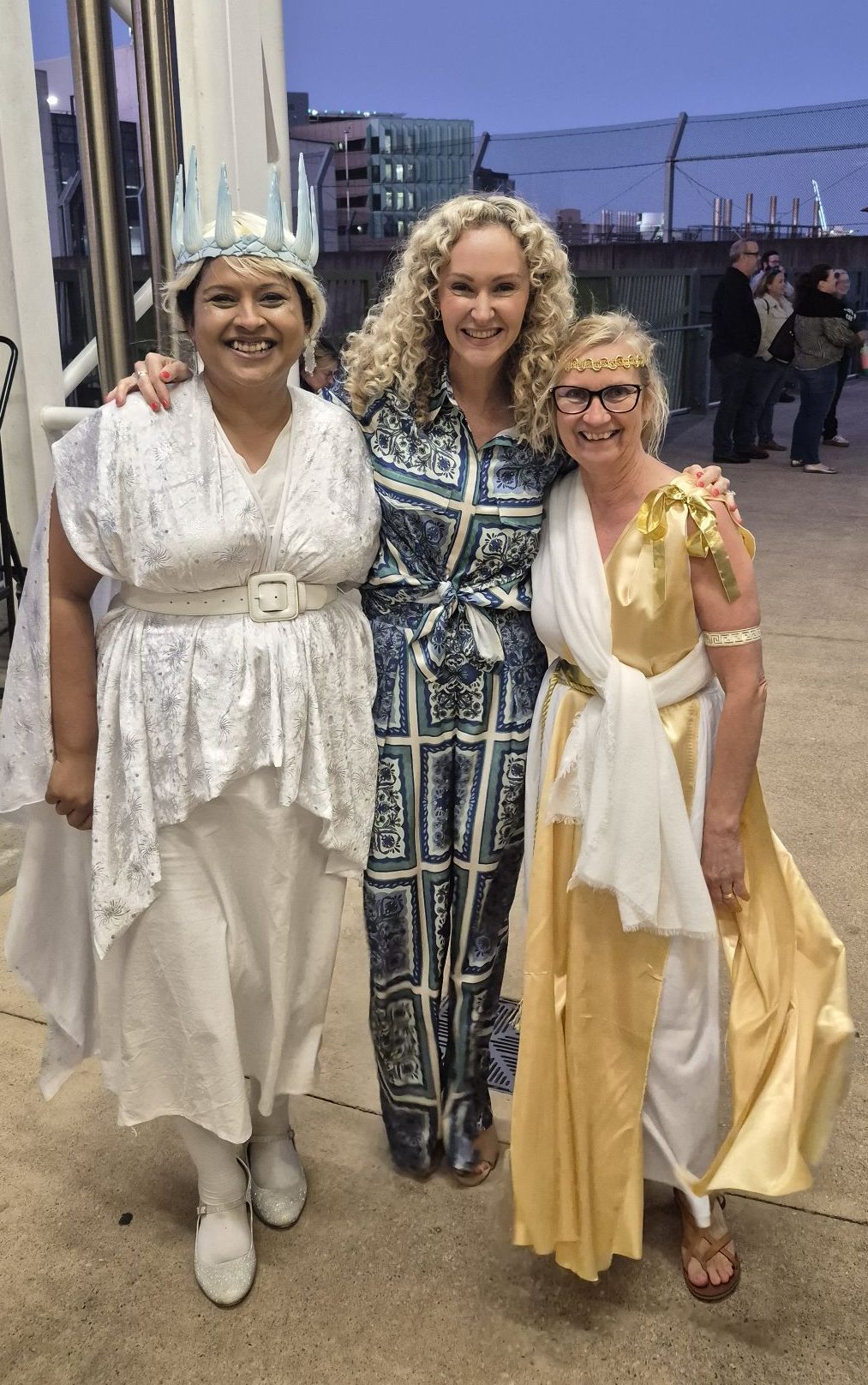
Carla wrapping up the evening with a photo.
As our Book Week celebrations continue, A Sound of Storytelling has been a wonderful reminder of why author events matter. They connect students with the human stories behind books, nurture a love of reading, and inspire the next generation of creators. Judging by the laughter, excitement, and thoughtful questions from our students, both Annaleise Byrd and Carla Salmon struck a powerful chord in our own Symphony of Stories.
Thank you to Annaleise and Carla for sharing their time, expertise, and passion for storytelling. Their voices have added a memorable movement to our Book Week celebrations, and their stories will undoubtedly continue to resonate with students long after the event has ended.
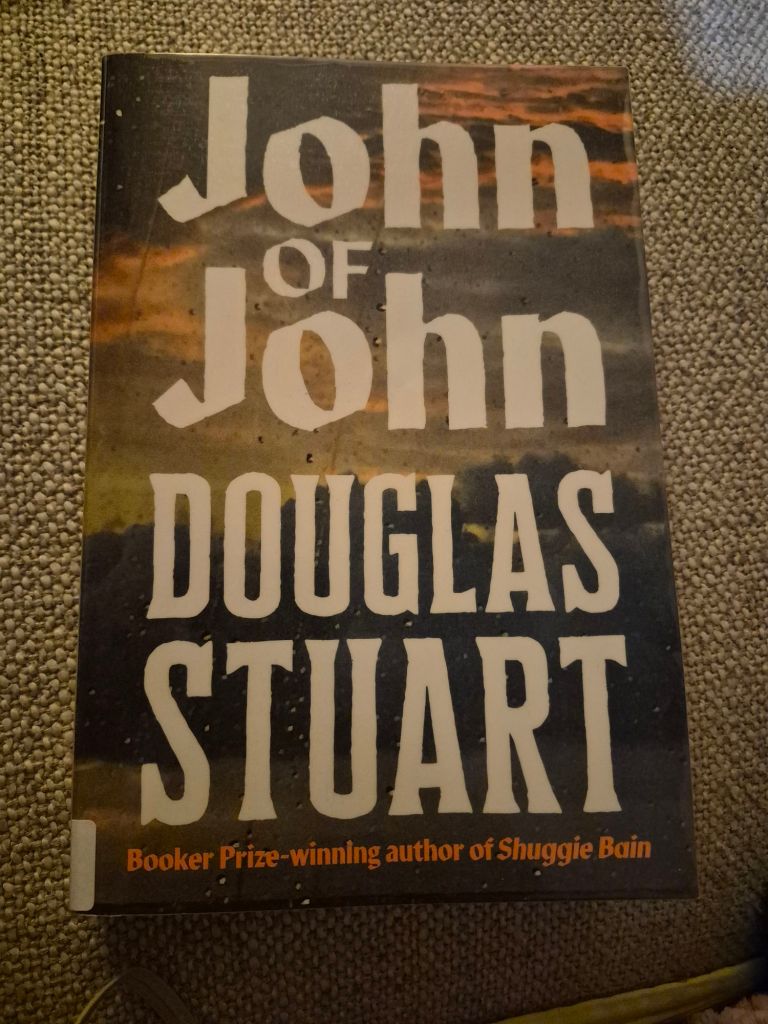
Douglas Stuart’s John of John is not an easy novel to love, but it is impossible to ignore. Set amid the wind-scoured isolation of the Outer Hebrides, Stuart delivers a bleak and unflinching portrait of a father and son trapped not only by poverty and place, but by faith, shame and silence. The novel follows John-Calum MacLeod, known as Cal, an unemployed university graduate summoned home by his father to farewell his dying grandmother. Cal returns reluctantly to an island he had hoped to escape, only to find that the tensions, resentments and secrets that drove him away remain as potent as ever.
At its heart, John of John is a story about two men hiding the same truth from one another. Cal conceals his sexuality from his deeply religious father, John, while John harbours his own forbidden desires beneath the mantle of Presbyterian respectability. Stuart builds much of the novel’s emotional tension from this cruel irony: father and son are separated by lies and bitterness while sharing the very secret that might have allowed them to understand each other. Their relationship is fraught, often hostile, shaped by years of disappointment, judgement and emotional repression.
The novel’s portrayal of Free Presbyterian life is particularly powerful. Stuart captures a culture where duty outweighs happiness and where suffering appears almost sanctified. Prayer, hard work and endurance are treated as virtues, while joy feels suspect, even sinful. There is a palpable sense that pleasure is an affront to God, something to be distrusted rather than embraced. The result is a community weighed down by stoicism and self-denial, where affection is rationed and emotional honesty seems impossible. Stuart never caricatures these beliefs, but he shows with painful clarity the damage they inflict on those who cannot conform.
Just as oppressive as faith is the landscape itself. The Hebrides emerge almost as another character in the novel, magnificent yet desolate. Stuart’s descriptions of the islands evoke a place battered by wind, rain and isolation. The stark beauty of the landscape mirrors the emotional lives of its inhabitants: harsh, lonely and resistant to change. The loneliness that permeates the novel is not simply personal but geographical, a product of a community cut off from the wider world and fiercely protective of its traditions.
One of the novel’s quieter strengths lies in its depiction of John’s traditional tweed weaving which sustains many island families and has become a symbol of continuity and cultural survival. Stuart clearly admires the skill and craftsmanship required, yet he is equally aware of its limitations. Weaving keeps traditions alive but offers little economic security. Throughout the novel, poverty hangs over every household. Employment is scarce, opportunities limited, and resignation often replaces ambition. The craft may preserve heritage, but it cannot spare its practitioners from hardship.
This is ultimately a novel saturated with sadness. Unhappiness seems woven into the fabric of daily life, passed down through generations alongside faith and tradition. Yet Stuart’s achievement lies in finding humanity within that bleakness. His characters long for connection even when they lack the language to express it. Beneath the bitterness between John and Cal is a shared yearning to be known and accepted… and dare I say it… a yearning to be loved.
John of John is a sombre, often heartbreaking novel about the cost of living behind masks. It is a story of fathers and sons, faith and desire, and a community where suffering is valued more highly than happiness. Stuart’s vision of the Hebrides is beautiful but unforgiving, and his characters inhabit a world where love is constantly constrained by duty, religion and fear. The result is a powerful and deeply affecting novel that lingers long after the final page.
Last week, my school was privileged to host the Brisbane South Readers Cup competition, welcoming more than 100 students and 23 teams from schools across the region. The evening was a celebration of reading, literature and intellectual curiosity, bringing together young people united by a shared love of books.
Readers Cup is far more than a quiz competition. At its heart, it is about creating a community of readers. In an age where young people are often characterised by what they are not doing, events such as Readers Cup remind us of what they are doing. They are reading deeply, discussing complex ideas, debating interpretations and finding joy in stories. They are building friendships around books and discovering that reading is not a solitary activity but a shared experience that connects people across schools, backgrounds and communities.
As I walked through the venue on the night, there was an unmistakable energy in the room. Students who had spent months reading and preparing came together to test their knowledge of this year’s texts. The competitive element was certainly present, but what stood out most was the enthusiasm. There is something powerful about seeing so many teenagers willingly spending an evening discussing literature when they could be almost anywhere else.
The event was made even more special through the generosity of Nick Croydon, CEO of QBD Books, who volunteered his time as Quiz Master and donated gift vouchers for competitors. His involvement reinforced an important message: reading matters, and supporting young readers matters. In a world where time is perhaps our most precious resource, the gift of time is often the most generous contribution of all.
Yet behind every successful school library event lies a story that is rarely told.
While students see the competition, the prizes and the excitement of the evening, they do not always see the countless hours of preparation that make these opportunities possible. Nor does the wider public often recognise the significant volunteer labour that underpins many literacy initiatives within schools.
Readers Cup did not run because it appeared on a calendar. It ran because teachers, school officers and volunteers gave generously of their time beyond their normal duties. Teachers stayed after hours to judge, supervise students, keep time and assist with logistics. Library staff coordinated registrations, communication and event planning. Support staff ensured spaces were prepared and functioning. Volunteers stepped into countless roles that often go unnoticed, from scoring and administration to simple acts of hospitality and encouragement. We should also acknowledge the extraordinary work of the Children’s Book Council of Australia and its volunteers, who quietly dedicate countless hours to fostering a culture of reading through programs such as Readers Cup. Their contribution, like that of many school library staff, is often invisible to the broader public. Yet these initiatives continue because people believe deeply in the power of stories and are willing to give their own time to ensure young people have opportunities to engage with them.
This story is not unique to Readers Cup.
Across Australia, school libraries quietly deliver a remarkable array of programs that enrich the educational lives of students. Book clubs, literature festivals, writing workshops, visiting authors, reading challenges, Readers Cup teams, lunchtime activities and literacy events often exist because school library professionals believe deeply in their value. Much of this work occurs outside timetabled lessons and beyond recognised workload allocations. It is driven not by obligation but by commitment to students and a belief in the transformative power of reading.
The reality is that much of the work of school libraries remains largely invisible. When literacy outcomes improve, when students discover a love of reading, when reluctant readers find the right book, or when communities gather around literature, the effort behind those successes is not always visible. The planning meetings, the emails, the risk assessments, the book selection, the venue preparation, the volunteer coordination and the countless hours of organisation rarely make headlines.
Perhaps that is because school libraries have always been places of quiet service. They are spaces where support happens in the background, where opportunities are created without fanfare and where success is measured in the achievements of others.
However, events such as Readers Cup remind us that this work deserves recognition.
The evening was a triumph not simply because a winning team emerged, but because it demonstrated what can happen when a community invests in young readers. It showed the collective impact of educators, library professionals, support staff, volunteers, community partners and organisations such as the CBCA working together towards a common purpose.
As school libraries continue to advocate for literacy, information literacy and lifelong learning, it is important that we also acknowledge the unseen labour that makes these opportunities possible. Behind every successful event stands a network of people who choose to give more of themselves than is required.
To every teacher who stayed late, every volunteer who helped, every CBCA member who has contributed to Readers Cup over the years, every staff member who worked behind the scenes, and to Nick Croydon and QBD Books for their generosity and support, thank you.
Readers Cup may celebrate books, but it is also a celebration of people. The readers who inspire us, the educators who support them, and the communities that quietly make these experiences possible.
Sometimes the most important stories are not found in the books on the table, but in the people who make it possible for those books to change lives.
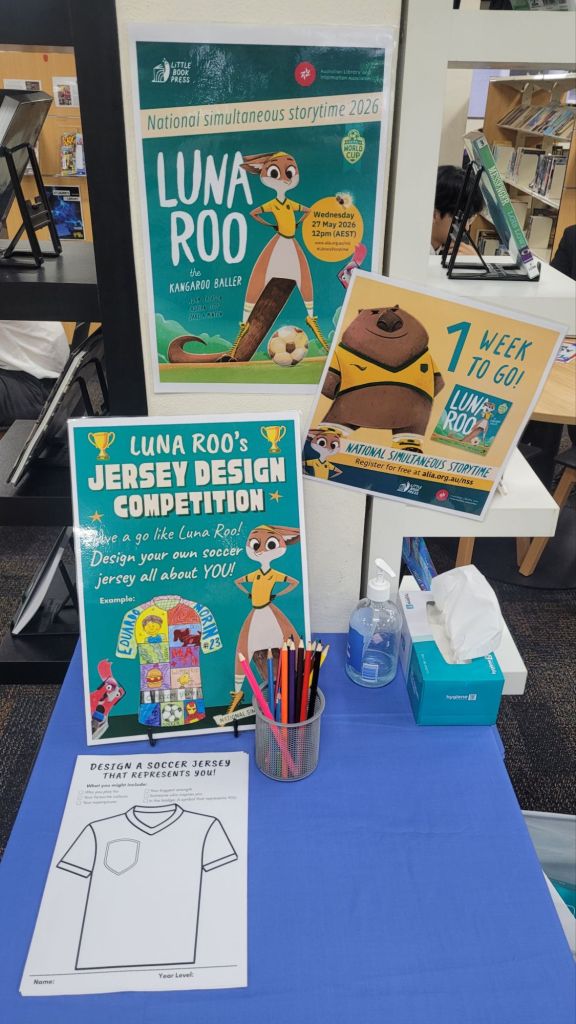
On Wednesday 27 May, Luna Roo the Kangaroo Baller by Adam Jackson and Adrian Lough, illustrated by Jake A. Minton, was read simultaneously in libraries, schools, early learning settings and homes across the country, uniting communities in a shared reading experience. National Simultaneous Storytime once again brought the joy of shared reading to life across Australia, delighting young readers nationwide. As one of the most anticipated literacy events on the calendar, NSS continues to highlight the powerful role that stories play in fostering connection, imagination and a lifelong love of reading.
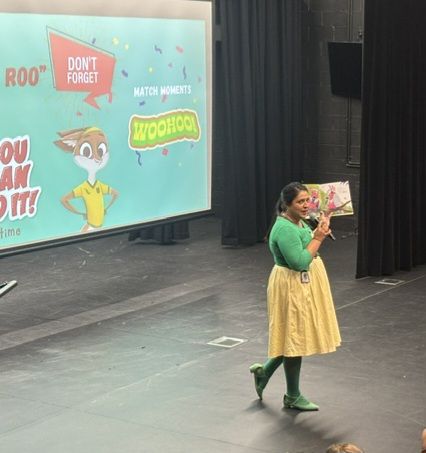
Here at the library, we were excited to support this year’s celebration as our primary students came together to share in the reading of Luna Roo the Kangaroo Baller. Students were active participants throughout, enthusiastically calling out “You can do it!” each time Luna Roo’s name was mentioned and cheering a joyful “Woohoo!” during key match moments. This collective energy created a vibrant and engaging reading experience that truly captured the spirit of National Simultaneous Storytime.
Following the story, our Year 5 and 6 students took part in a creative and engaging activity, designing their own football jerseys inspired by Luna Roo’s passion for the game. This hands on experience provided a fun and meaningful way for students to connect with the text, express their creativity and celebrate the excitement and teamwork at the heart of the story. The library also supported NSS with themed bookmarks and a wonderful display of soccer reads, offering plenty of options for our budding fans to continue their reading beyond the event.
Events such as NSS not only promote literacy but also affirm the importance of storytelling as a communal act, one that brings people together and nurtures empathy, identity and belonging. We hope that our students thoroughly enjoyed meeting Luna Roo and that the accompanying activities enhanced their experience of this heartwarming and energetic story. National Simultaneous Storytime remains a powerful reminder that when we read together, we grow together.
School libraries occupy a unique position within the educational ecosystem. They sit at the intersection of learning, literacy and community, and are one of the few spaces within a school capable of meaningfully engaging students, teachers and families alike. A recent Primary Parent–Son Book Club, held in the library and deliberately designed as a shared reading experience, provided a valuable opportunity to reflect on the role school libraries can play in fostering sustained family engagement in learning.
Research strongly supports the importance of parental involvement in children’s literacy development. While early childhood reading practices are often emphasised, evidence suggests that shared reading continues to have a significant impact well into the primary and secondary years. An article published in The Conversation synthesises international research demonstrating that when parents continue to read with their children after they have become independent readers, students show stronger reading comprehension, higher levels of engagement and more positive attitudes towards reading. The social dimension of shared reading, including discussion, questioning and the modelling of reading behaviours, is consistently identified as a critical factor in these outcomes.
More recent research further reinforces this connection between family engagement and reading success. Hu, Zhuo and Guo’s 2025 study published in Children and Youth Services Review examined the relationship between parental involvement and adolescents’ reading performance. Their findings indicate that parental engagement remains a significant predictor of reading achievement, even as reading increasingly occurs in digital and multimodal contexts. Importantly, the study highlights that meaningful involvement extends beyond direct instruction to include shared experiences, conversations about texts and visible valuing of reading within the home environment.
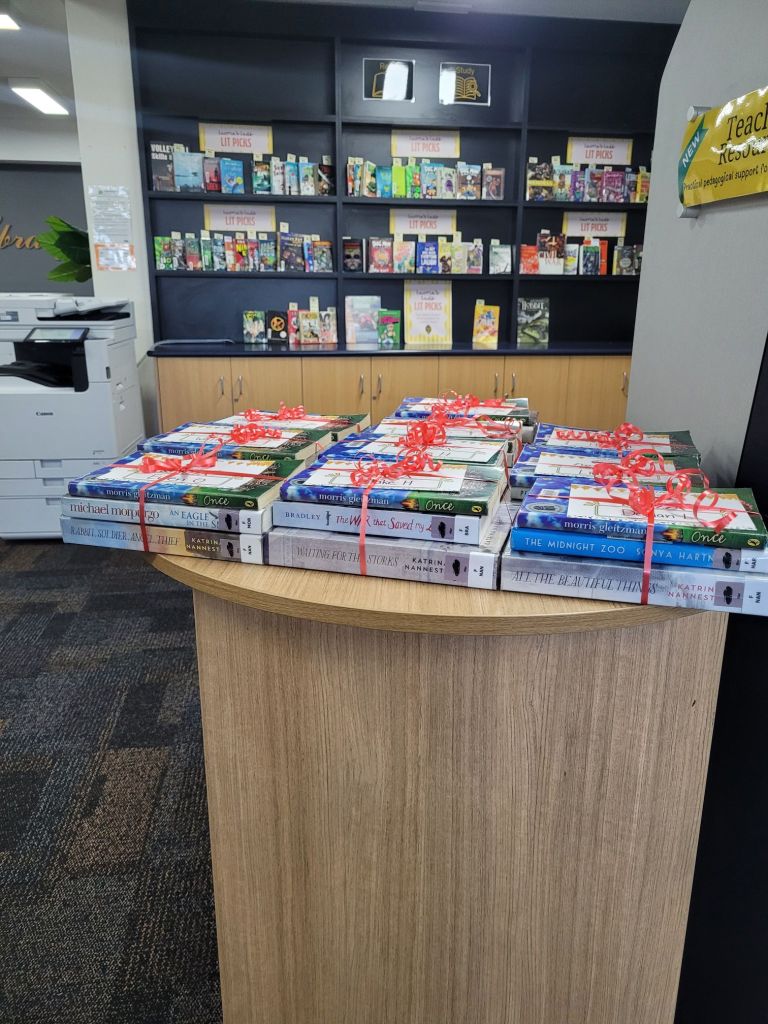
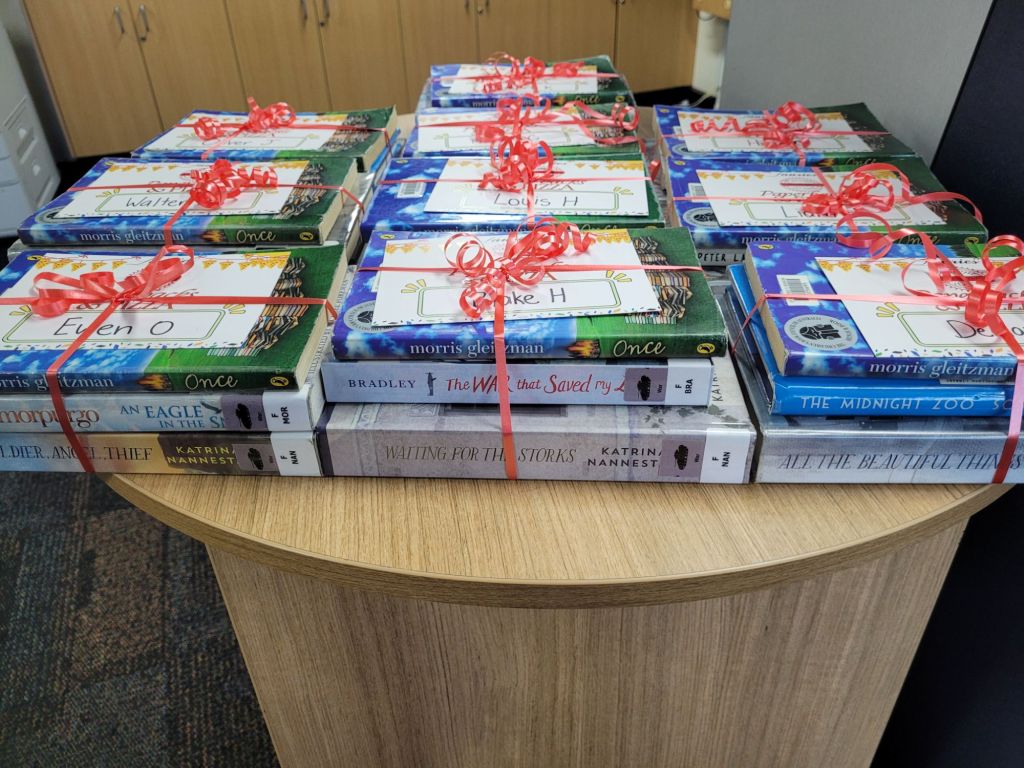
Parent–child book clubs hosted through the school library offer a practical and research aligned way to translate these findings into everyday practice. In this case, families met informally in the library, shared pizza and engaged in guided discussion around common texts. The term’s focus was historical fiction centred on World War II, with text choices designed to support Year 5 and 6 reading levels while also inviting deeper discussion around themes of loyalty, resilience and survival. Three text options were offered to families to allow for choice and differentiation, while maintaining a shared conceptual focus across the group.
Morris Gleitzman’s Once was selected as one core text due to its accessibility, emotional resonance and status as the first novel in a well established and popular series for young readers. Titles by Katrina Nannestad were also chosen, particularly for her sophisticated yet accessible use of language, syntax and narrative imagery, which strongly support comprehension, vocabulary development and cognitive engagement. A third option offered greater flexibility, with some families selecting narrative non fiction biographies and others choosing popular fiction titles connected to the historical context. Wherever possible, Australian authors were prioritised, reflecting a deliberate commitment to celebrating Australian voices and ensuring students encounter texts that reflect national perspectives and storytelling traditions.
From a library perspective, initiatives such as parent–child book clubs serve multiple strategic purposes. They position the library as a welcoming and inclusive space, reinforce families as active partners in learning and create authentic opportunities for shared literacy practices that extend beyond the classroom. They also provide a tangible means of embedding research informed practice into school wide literacy approaches, demonstrating how libraries can move from advocacy to action.
Engaging families through the school library strengthens relationships, builds a shared language around reading and reinforces the understanding that literacy development is a collective responsibility. As school libraries continue to advocate for their central role in whole school literacy, family focused initiatives such as book clubs offer clear, evidence based examples of how libraries can connect learning, community and research in meaningful and sustainable ways.
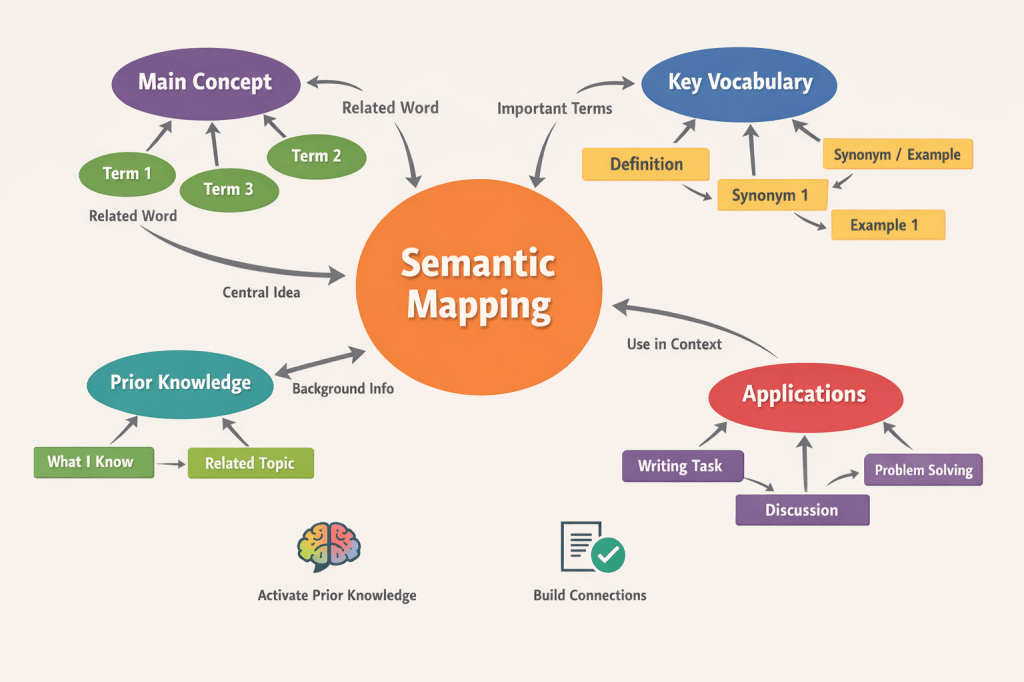
This blog post builds on ideas introduced in my earlier discussion of disciplinary literacy and vocabulary development in Language Learning and the Power of the Library. The present work extends that discussion by examining semantic mapping as an evidence informed pedagogical strategy and by considering the role of the Teacher Librarian in supporting vocabulary development across curriculum areas.
Image created by Canva.
Semantic mapping is a widely recognised pedagogical practice that enables learners to make deliberate connections between words, ideas and concepts using a visual format. Research in educational neuroscience shows that approaches which activate prior knowledge help reduce demands on working memory and support the integration of new information (Mitra and Spence 2023). When students cluster and organise vocabulary around conceptual relationships, they construct deeper and more coherent understandings of disciplinary terminology. Udaya (2022) argues that this relational organisation is central to the effectiveness of semantic mapping, as it encourages students to engage with word meaning in an active, cognitively purposeful manner. Through this process, learners are supported to apply new vocabulary confidently in both written and verbal contexts.
Vocabulary development is a cumulative process that requires repeated encounters with words across varied contexts in order for meaning to be fully understood, applied and retained. Research indicates that students who possess extensive vocabularies are better equipped to access complex academic texts and produce sophisticated analytical responses (Udaya 2022). Semantic mapping contributes to this development by activating relevant schema and creating meaningful connections between new concepts and existing knowledge. These connections facilitate the transfer of information from working memory to long term memory and reduce cognitive load, which is an essential consideration when introducing high volumes of new terminology.
The value of semantic mapping extends across all year levels and curriculum areas. It can be used to elicit prior knowledge at the beginning of a unit, to support structured note taking or to provide formative assessment opportunities that reveal students emerging conceptual understandings. Its importance becomes particularly evident in secondary schooling. Curriculum sequencing in subjects such as Humanities and Science often involves long periods between initial instruction and later revisiting of content. Students may engage with a unit at one point in their schooling and then not encounter that content again for up to two years, often at a more complex cognitive level. During this interval learners typically study numerous unrelated units, which reduces the likelihood that vocabulary from earlier study will be retained. As a result students frequently re enter familiar units with limited recall of key terms and concepts, which can inhibit progress and deepen misconceptions.
Semantic mapping offers a structured and explicit method for re establishing these conceptual networks. Its effectiveness is enhanced when combined with a Lexile levelled text set, which provides multiple texts on the same topic at varying reading levels. This approach ensures that all learners can access essential vocabulary in contexts that match their reading proficiency. By encountering the same terminology across several texts, students strengthen their understanding of word meaning and improve decoding and comprehension skills. This combination of explicit vocabulary instruction and appropriately differentiated reading material contributes to greater confidence and academic resilience in content heavy subjects.
Teacher Librarians play a central role in supporting vocabulary development and curriculum implementation within Australian schools. The Standards of Professional Excellence for Teacher Librarians, developed by ASLA and ALIA, affirm the professional knowledge, pedagogical capability and resource curation expertise that TLs contribute to school learning environments. These standards emphasise the responsibility of TLs to collaborate with teachers, design quality learning experiences and ensure that the school collection provides rich and accurate resources that align with curriculum requirements. ASLA’s work with AITSL further highlights the TL’s leadership in supporting effective teaching strategies, including approaches that foster critical and creative thinking skills (ASLA 2014, Uther and Pickworth 2014).
Within this professional framework, the Teacher Librarian is uniquely positioned to champion evidence informed strategies such as semantic mapping and to curate high quality Lexile levelled text sets that align with disciplinary vocabulary needs. By working in partnership with classroom teachers, TLs ensure that vocabulary instruction is coherent, accessible and pedagogically robust across learning areas and year levels. This collaboration supports a consistent and structured approach to disciplinary language development, which is essential for student success in increasingly complex academic environments.
References
Australian Library and Information Association, & Australian School Library Association. (2004). Standards of professional excellence for teacher librarians. ALIA/ASLA.
Mitchell, P. (2001). Standards for teacher librarians in Australia. Joint Conference of the Australian School Library Association and the Children’s Book Council of Australia.
Mitra, A., & Spence, L. (2023). Educational neuroscience for literacy teachers: Research‑backed methods and practices for effective reading instruction. Routledge.
Udaya, P. (2022). Using semantic maps as a teaching strategy for vocabulary development. European Journal of English Language Teaching, 6(5). https://doi.org/10.46827/ejel.v6i5.4095Uther, J., & Pickworth, M. (2014). Using the AITSL standards to support the TL as a leader. Australian School Library Association (ASLA)
Reading is widely recognised as a critical skill for young people, supporting the development of strong cognition, mental health and empathy. A growing body of research consistently shows that recreational reading in particular is linked with academic achievement, improved emotional regulation and more nuanced interpersonal understanding. Building a culture of reading, therefore, is not a peripheral task for schools. It lies at the heart of nurturing thoughtful, resilient and socially capable young people.
Yet despite these well established benefits, many children and teenagers do not naturally turn to teachers or teacher librarians for book recommendations (Merga, 2012). To be blunt, young people do not necessarily see adults as cool. Recommendations from teachers, no matter how well intentioned, may lack what adolescents consider to be genuine social credibility. The street cred factor is real, and it is powerful.
Further evidence comes from the work of Dr Margaret Merga, a well respected Australian researcher in literacy and reading engagement. In a mixed methods program examining the influence of social attitudes on reading behaviours, Merga (2012) noted that “perceived friends’ attitudes can have a more significant influence on boys than girls, [therefore] making books socially acceptable for boys should be a priority for educators.” This underscores the idea that book talk among peers is not merely casual chit chat. It is a mechanism of social permission. When books gain traction within a peer group, they gain legitimacy and ethos (Merga, 2012; Merga 2014).
Australia Reads similarly emphasises the importance of social engagement in building sustainable reading habits. Its principles highlight that young people need “positive social reading experiences” and opportunities to “recommend, discuss and share books and other texts in ways that are personally enjoyable and relevant”. In other words, reading thrives when it is relational.
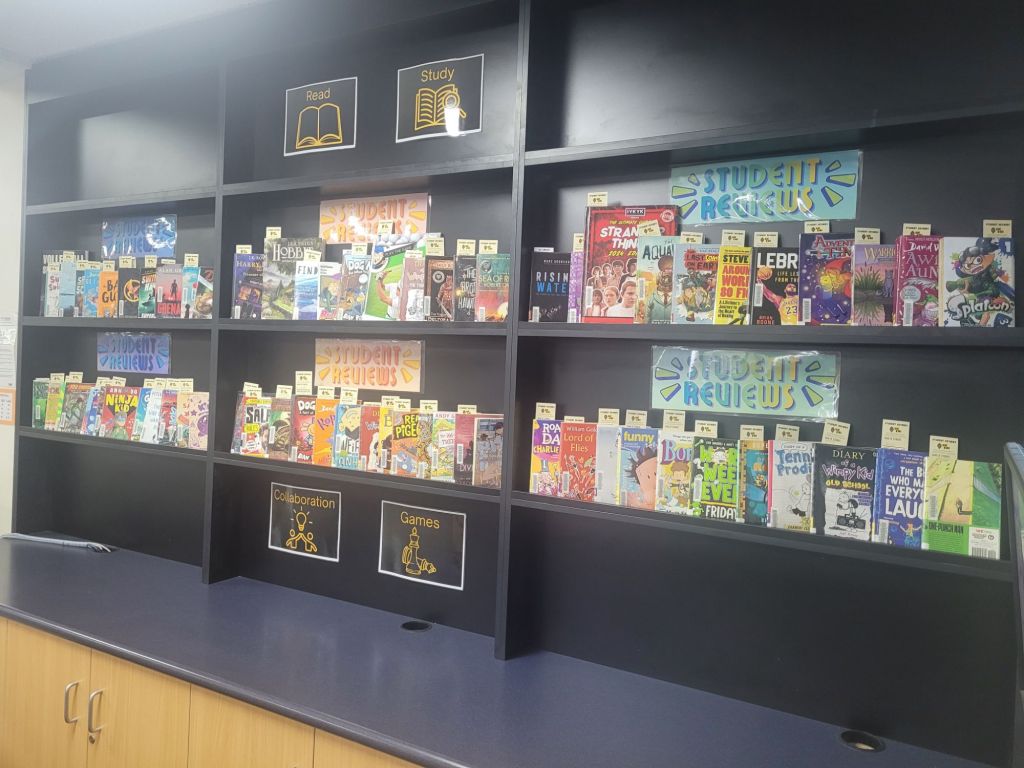
At Lauries, we see these principles in action every day. While staff recommendations certainly have their place, it is peer driven reading culture that most reliably sparks curiosity, especially among reluctant readers. This is why we actively encourage students to reflect on and review the books they read. Their voices matter. Their opinions shape the reading landscape for others. The broader research base supports this emphasis on social recommendation and discussion as a driver of voluntary reading.
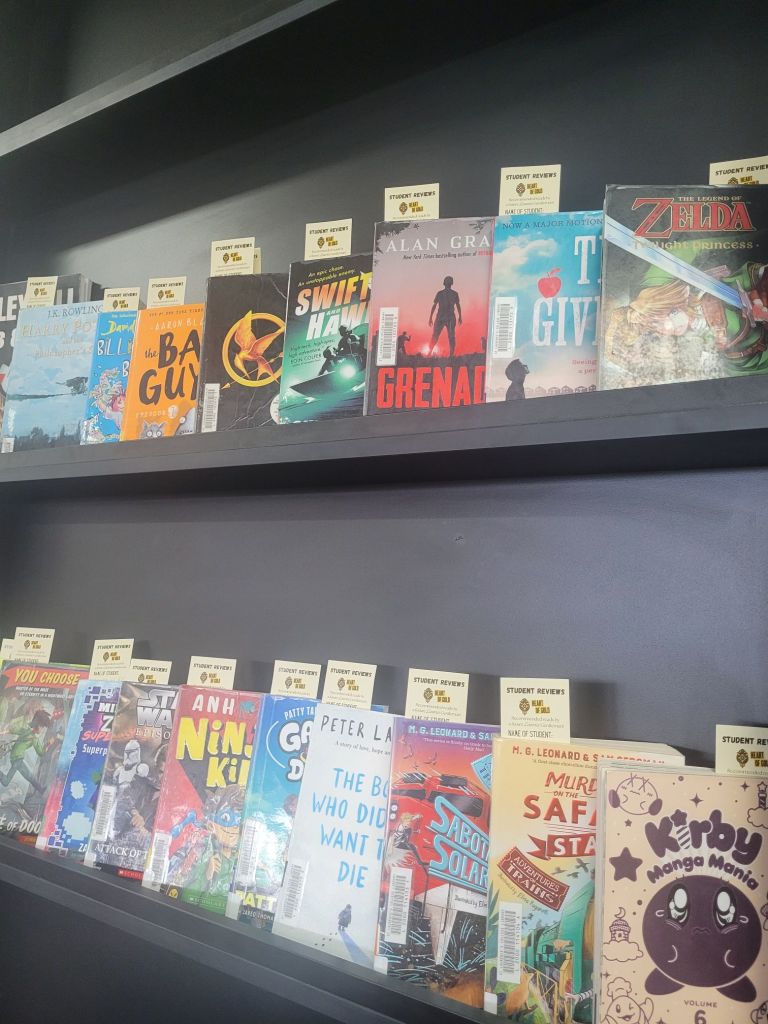
A visible expression of this culture is our wall of Lauries Lads Lit Picks. This growing collection showcases books that our students have personally endorsed. We often see reluctant readers wandering over, flicking through the displayed reviews until they discover a familiar name. That moment of recognition is powerful. When a friend or respected peer has enjoyed a book, the barrier to entry drops dramatically. The book becomes not just a text but a shared experience waiting to happen. The pattern aligns with evidence that peer attitudes and friend recommendations play an outsized role in adolescent book choice.
Cultivating a socially rich reading environment therefore requires more than simply providing access to books. It involves elevating student voice, valuing peer influence and creating spaces where reading is openly shared, discussed and celebrated. The evidence is unequivocal. When young people are given opportunities to recommend books to one another, their engagement deepens and their confidence as readers grows. Reading becomes woven not only into their academic lives but into their friendships, identities and everyday conversations.
By continuing to champion peer driven discovery, we support our students not only to read more but to read with curiosity, connection and purpose. That is a foundation that benefits them far beyond the walls of the library
Rutherford, L., Singleton, A., Reddan, B., Johanson, K., & Dezuanni, M. (2024). Discovering a Good Read: Exploring Book Discovery and Reading for Pleasure Among Australian Teens. Deakin University. https://eprints.qut.edu.au/247629/[eprints.qut.edu.au]
Language and learning are inextricably linked because the latter is hard to achieve without knowledge of the former. Language consists of words used in a structural and conventional way which is the principal method or system of communication communities use to engage with each other and the world (Britannica, 2026; Winch et al., 2020, p. 12). Language can be spoken, written or gestural and its effective use is a fundamental principle underlying a person’s ability to actively engage with their society. Therefore, by this definition and in conjunction with the cognitive model of reading, learning, and literacy by extension, can only occur if a person is competent in using language in its different fields, tenors and modes (Winch et al., 2020, p. 13). The role of the teacher librarian and the library in literacy development is to support language, literacy and learning across the curriculum through the broadening and deepening of student vocabulary by improving semantic understanding of key vocabulary and building background knowledge with quality resources.
Winch et al., (2020) point out that language is an identifiable way for cultures to share meaning with each other and to achieve a common purpose and as such is influenced by context. One subset of language influenced in this way is vocabulary because it is the knowledge of words that exist in a particular language or subject and or the total volume of words known by a particular person (Cambridge, 2026). Therefore it can be inferred that a person’s breadth and depth of vocabulary knowledge is based upon their experience and exposure to a variety of texts (Winch et al., 2020; Lewis & Strong, 2021, p5). A person that reads or is exposed to a wide range of vocabulary through various genres will be highly receptive to new terminology. However, that does not translate into an expressive capacity unless they are able to practice it sufficiently.
Vocabulary can also be perceived to be a bridge between the written and spoken modalities because readers need to be efficacious in their ability to predict and build mental images from the text (Winch et al., 2020, p. 20). This perception is consistent with the constructivist approach to reading because text comprehension is the result of a reader’s ability to combine what is known, with what is presented in the text in order to arrive at new knowledge and understanding (Graves et al., 2019; Winch et al., 2020, p.91; Spence & Mitra, 2023). Competent readers have the additional advantage when it comes to informational texts because they are able to determine the genre and purpose of a text by making predictions based on their knowledge of text structure and the language or vocabulary within the text.
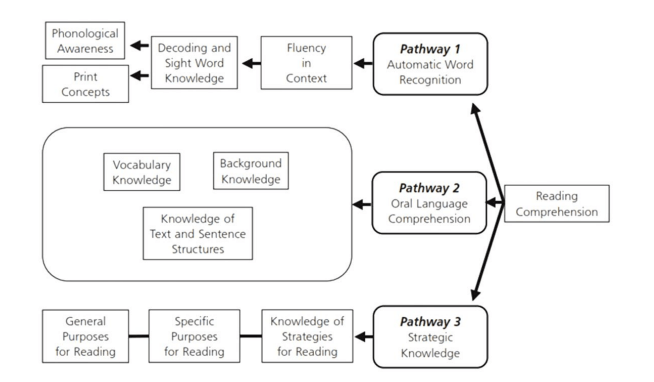
McKenna & Stahl, 2009 – Cognitive Model of Reading.
The cognitive model of reading is centred on a reader’s ability to comprehend language because vocabulary acts like a conduit between the working and long term memory impacting ability to effectively comprehend a text (Graves et al., 2019; McKenna & Stahl, 2009; Winch et al., 2020, p82; Spence & Mitra, 2023). A person with a high vocabulary is more likely to have increased success in reading comprehension because their capacity to understand and connect to the text is greater than someone with a limited vocabulary (Winch et al., 2020, p21). This in turn fuels their ability and capacity to read more, further increasing their capacity. This efficacy, as Lewis & Strong (2021) point out, confirms the commonly known Matthews effect as students learn 15% of new words in contextual reading and that they need greater than twelve encounters with a particular term or phrase to even think of including it into their knowledge schemas. However, even confident readers may be confronted when exposed to factual or informative texts because of the leap in cognition required as each discipline will have their own structure, grammar and specialised vocabulary (Spence & Mitra, 2023). This means both experienced and inexperienced readers will require explicit instruction in semantic knowledge to effectively decode and encode text of increasing complexity (Winch et al., 2020, p.110; Lewis & Strong, 2021, p.7).
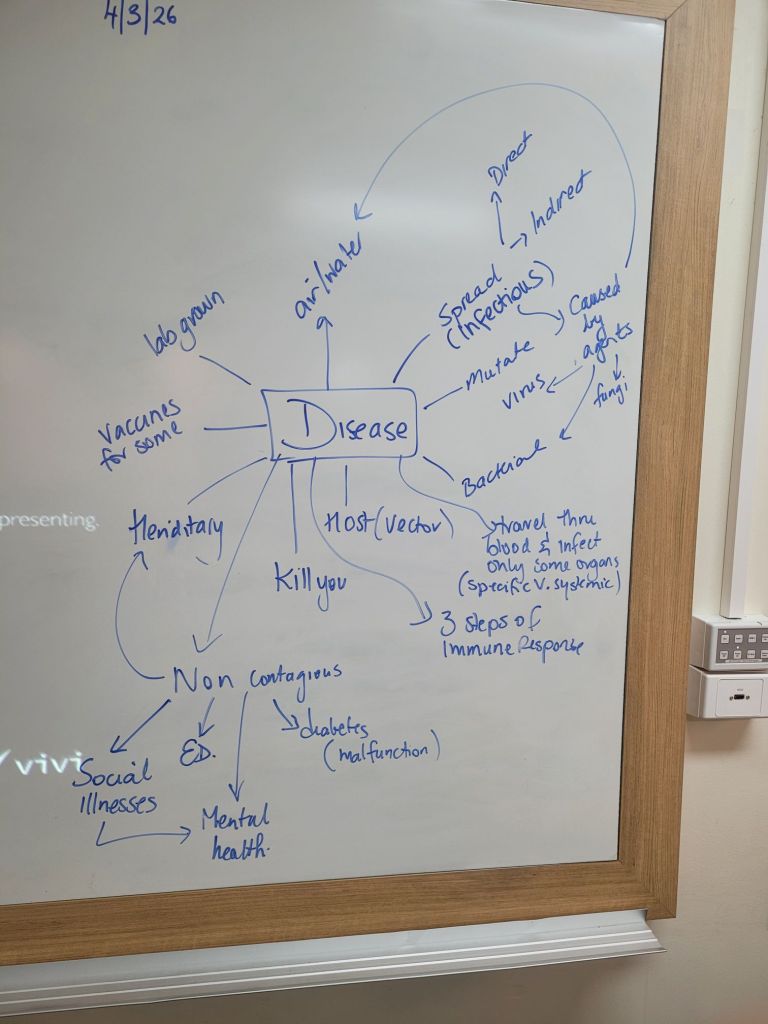
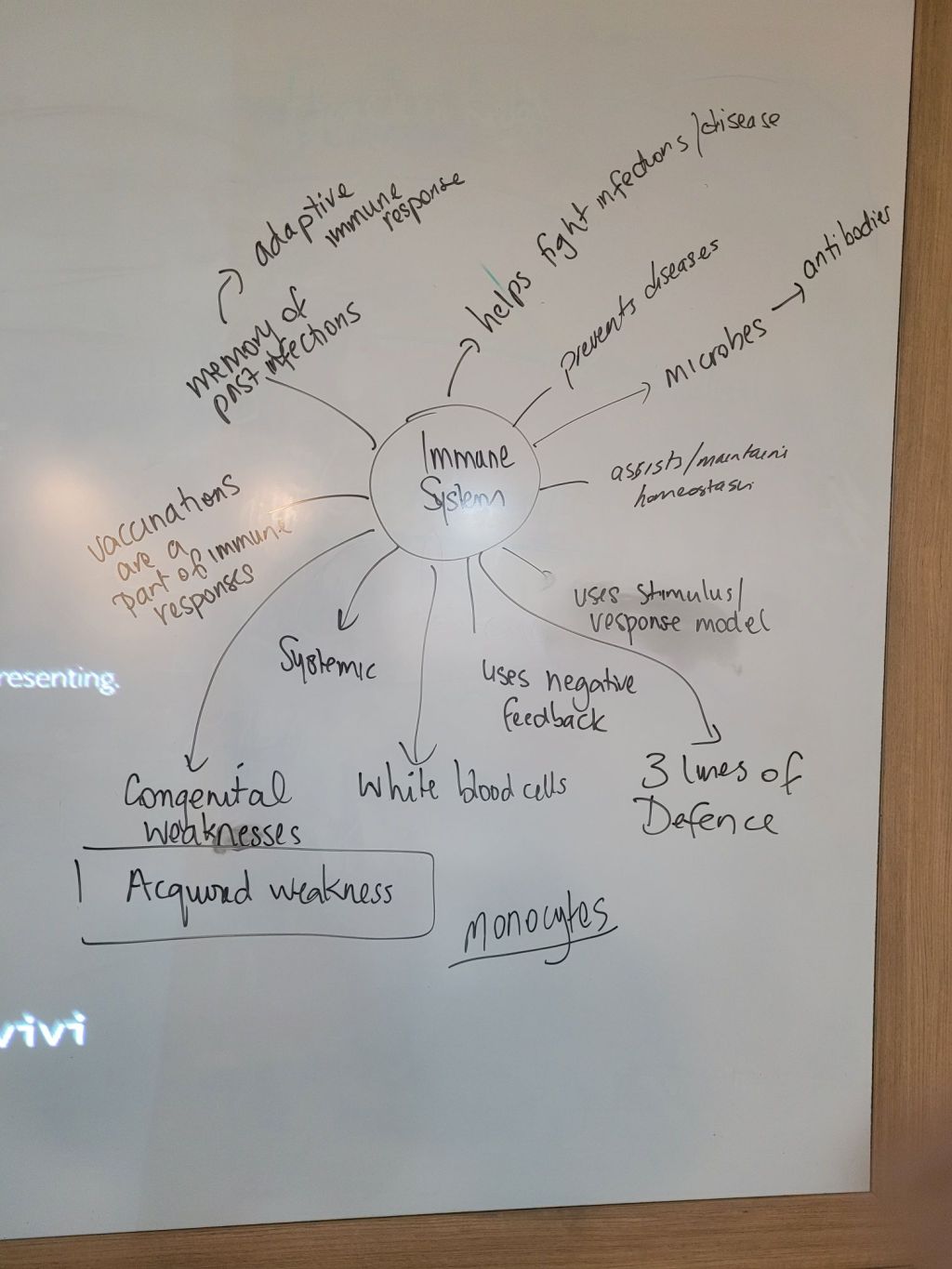
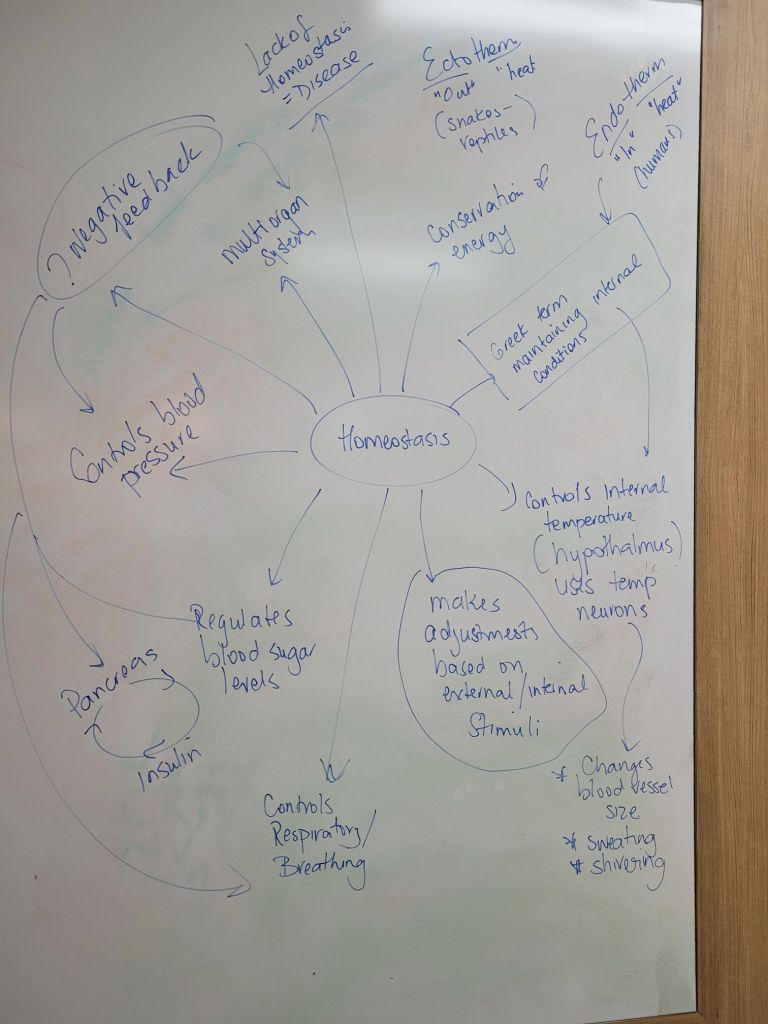
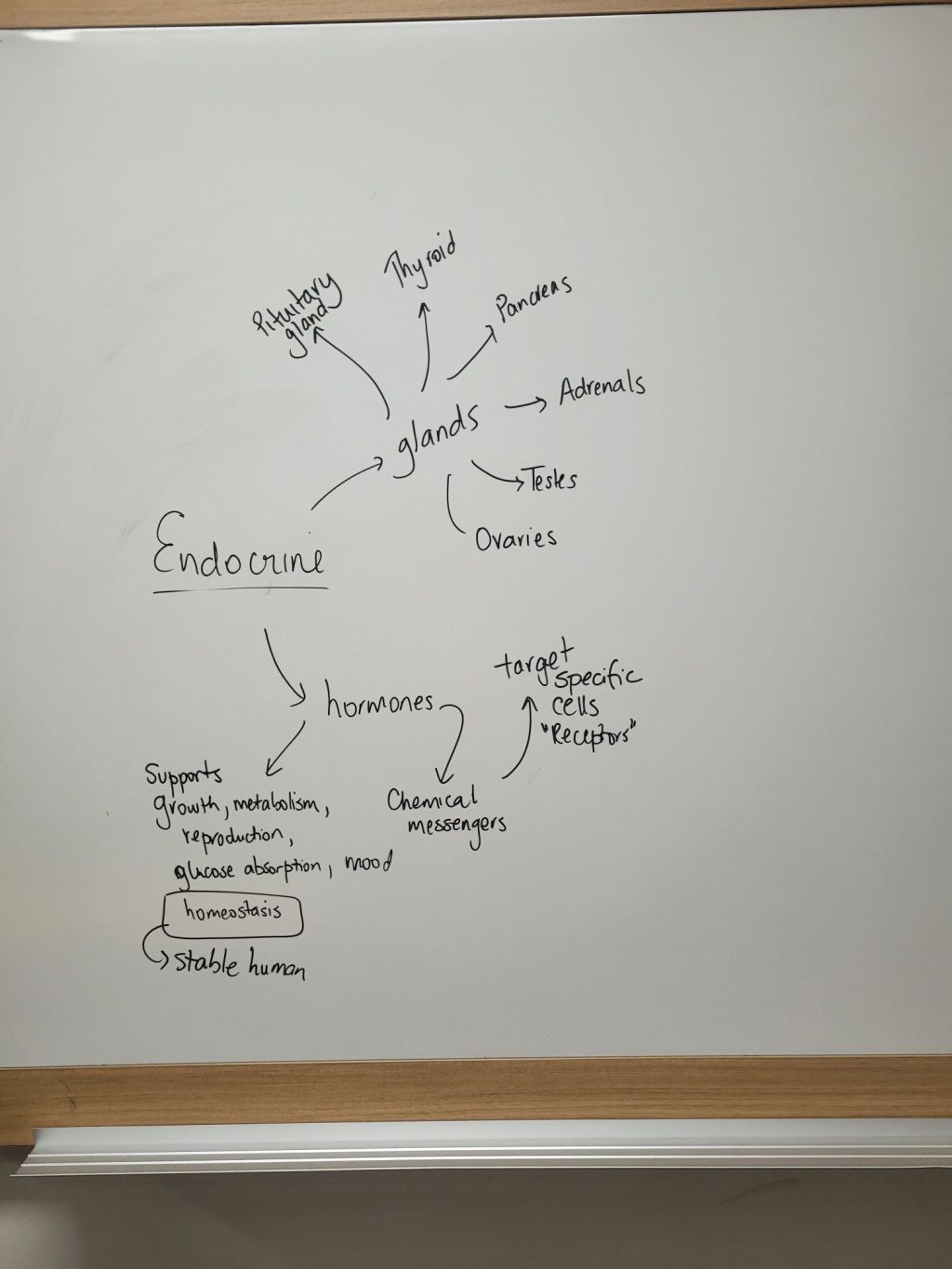
Year 9 Science – Semantic mapping
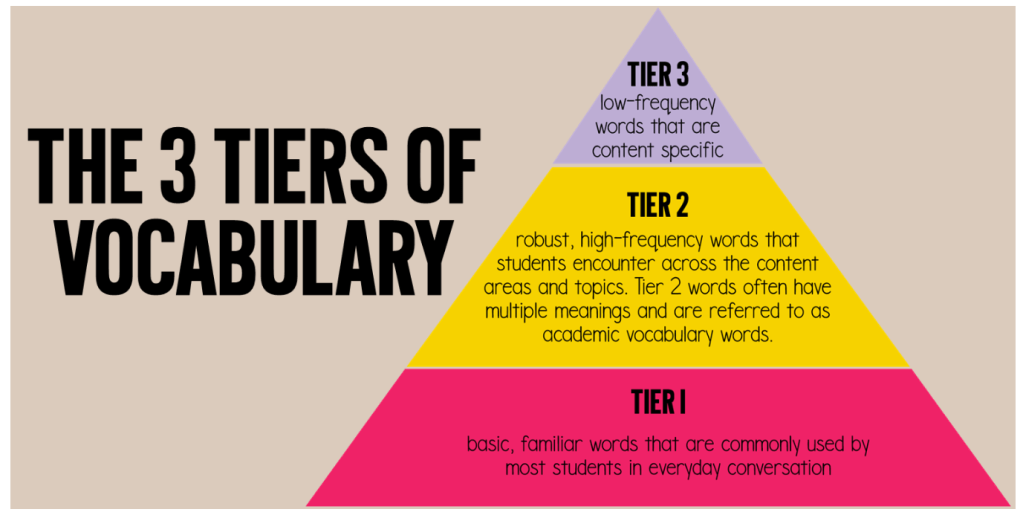
Reading comprehension skills can be supported across the curriculum by increasing a student’s semantic knowledge and background understanding of a topic prior to close reading (Lewis & Strong, 2021). Several pedagogical practices including semantic mapping of tier three vocabulary, the use of text sets to bolster background knowledge as well as explicit modelling of reading strategies can be used effectively to improve reading comprehension and build student capacity (Lewis & Strong, 2021; Spence & Mitra, 2023) However, caution must be used when deciding what text to use in teaching and learning because the use of text can be a limiting factor if infantile resources are used as it limits student capability and capacity (Winch et al., 2020, p114, Lewis & Strong, 2021, pg. 10). Spence & Mitra (2023) point out that it is preferable to scaffold students to complex texts than to provide resources that are age and stage inappropriate.
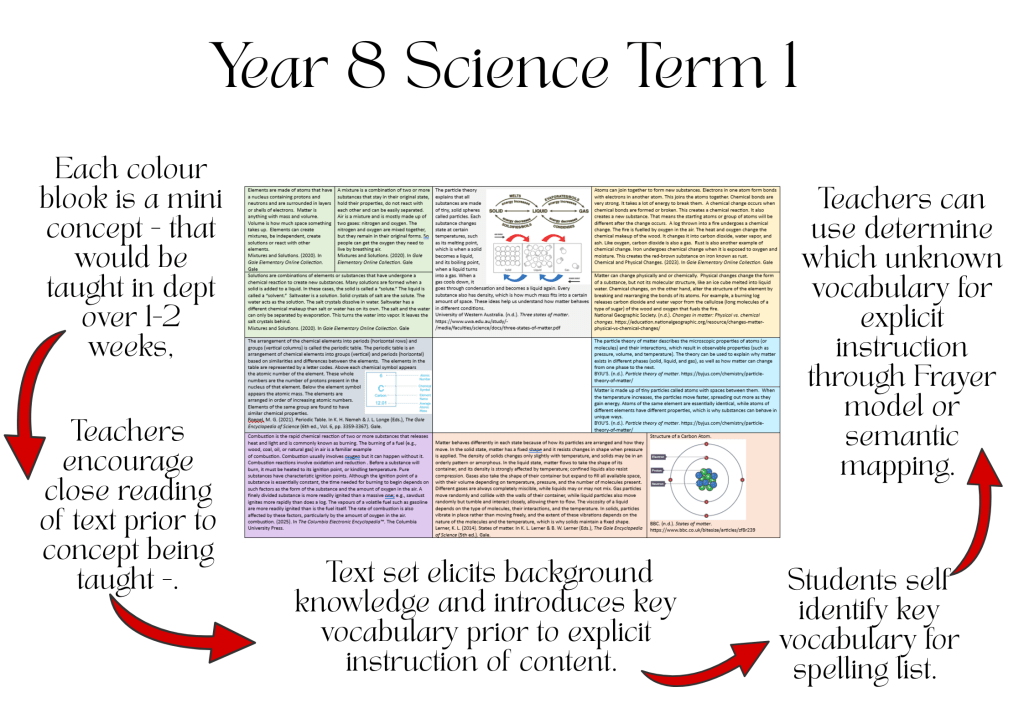
Text sets are an effective pedagogical strategy to improve vocabulary in a classroom because they encourage students to interact with a wide range of quality, genre specific texts throughout a unit of work. These text sets were specifically curated to improve vocabulary and by extension, reading comprehension. Students were able to engage with short extracts of text that have been appropriately levelled prior to the unit commencing and then were able to re-engage with this text intermittently through the term. This ‘dipping’ in and out of the content allowed students to activate their prior knowledge as well as exposed them to tier two and three terminologies at smaller and more regular intervals. This intermittent exposure is ideal for spaced retrieval practice as teachers are able to regularly gauge the level of background knowledge and understanding the students already have on the topic and as well check for understanding. Furthermore, these vocabulary text sets can be effectively used as text exemplars because they can be formatted to meet the disciplinary genre requirements.
The teacher librarian and library play pivotal roles in supporting language, literacy and learning across the curriculum. Firstly, teacher librarians are well placed to source texts that build semantic and background knowledge. They are able to create and curate text sets, lib-guides, reading lists and book boxes that meet the language and literacy needs of the students. Text sets can be very effectively used to build background knowledge and can be used across classrooms, cohorts and units of work. They can be paper or digitally based; extracts of texts or whole articles; picture books, novels or biographies. They can also be used to explicitly teach vocabulary in discipline specific genres. Teacher librarians can also use their central role in the school to replicate reading strategies across the curriculum, sharing similarly structured resources through various faculties or disciples for a more concerted and systemic approach to literacy and learning. Lastly, teacher librarians are the curators of their collection, and their role is essential to ensure that high quality literature and resources continue to be available to staff and students.
Graves, M. F., Elmore, J., & Fitzgerald, J. (2019). The vocabulary of core reading programs. The Elementary School Journal, 119(3), 386–416. https://doi.org/10.1086/701653
Hiebert, E. H. (2020). The core vocabulary: The foundation of proficient comprehension. The Reading Teacher, 73(6), 757–768.
Lewis, W. E., & Strong, J. Z. (2021). Literacy instruction with disciplinary texts: Strategies for grades 6–12. Guilford Publications. New York
McKenna, M. C., & Stahl, S. A. (2009). Assessment for reading instruction (2nd ed.). Guildford Press
Mitra, A., & Spence, L. (2023). Educational neuroscience for literacy teachers: Research‑backed methods and practices for effective reading instruction. Routledge. New York.
Winch, G., et al. (2020). Literacy: Reading, writing and children’s literature. Oxford University Press. Docklands, Australia.
A term in the life of a teacher librarian is never a simple, steady journey. It rises and falls in energy and pace, shifting between calm stretches, intense bursts of activity and a mid term crescendo that only those who have stood behind a circulation desk during second break truly understand. Teacher librarians do not just follow the rhythm of the school term. We breathe it, support it and often hold it together with a blend of planning, flexibility and a genuine love of learning.
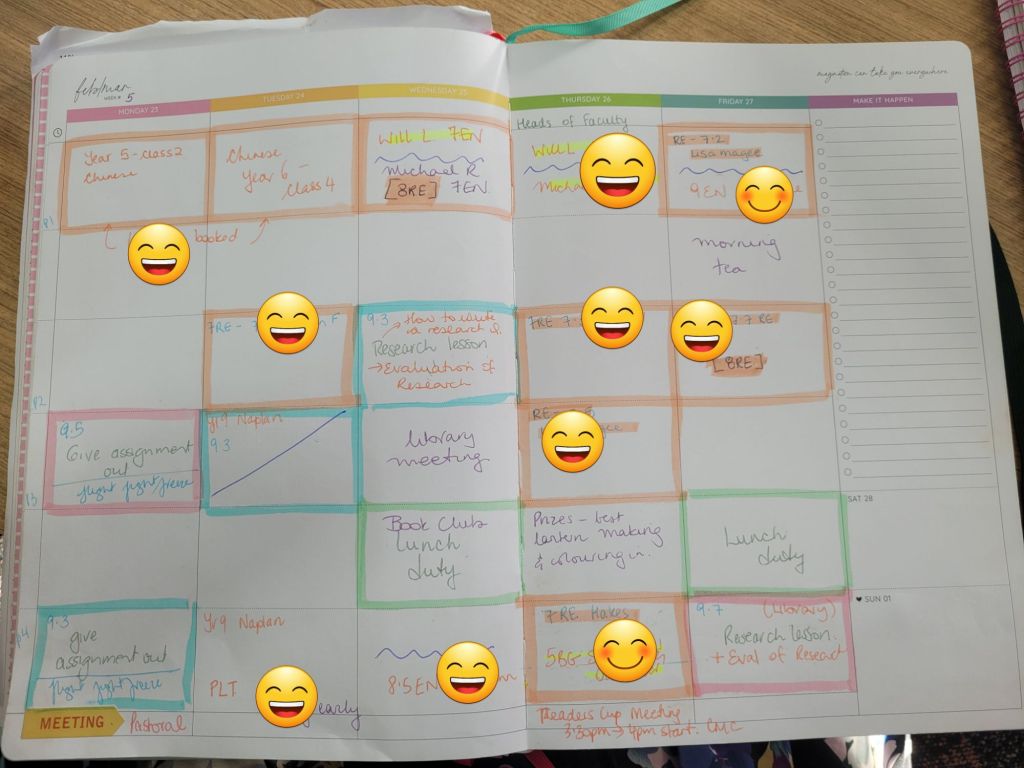
The beginning of the term often appears calm on the surface, but behind the scenes it is a hive of thoughtful planning and collaboration. This early period is spent mapping out programs, updating units, preparing resources and scheduling literacy and information literacy lessons across the curriculum. It is the time for meetings with teachers who bring new ideas for research tasks, nurturing fledging literacy programs or supporting disciplinary literacy through explicit vocabulary instruction. These conversations help shape the curriculum support that will run throughout the term and ensure that every lesson and library experience has purpose and structure. It is also the time for deeper discussions with Heads of Curriculum to align expectations, strengthen research skill development and embed digital and information literacy meaningfully across year levels. The work may be quiet, but it forms the foundation for everything that follows.
By the time the middle of the term arrives, the calm has vanished completely. The library becomes a vibrant and sometimes chaotic hub of constant movement. Students flood through the doors needing books, recommendations or support with upcoming assessments. Borrowing sessions become lively and energetic as classes arrive with armfuls of returns and requests. This is also the busiest teaching period of the term, when the carefully prepared information literacy sessions come to life. Research skills, digital literacy, source evaluation, referencing, note taking and inquiry support all happen at a rapid pace. Teacher librarian roles expand and overlap as we teach back to back lessons, guide students through tasks, troubleshoot technology and support teachers in real time as units unfold.
Amid the flurry, collaboration continues in more practical and immediate ways. Teachers pop in needing quick resources, task sheets are updated on the go and reading groups or book clubs meet regularly. Displays evolve to match what is happening across the school and the flow of students keeps the space buzzing. Moments of humour, curiosity and connection appear constantly, whether it is a student searching for a book they can remember only by its colour or one who is unsure whether reading ten pages a night officially qualifies them as a reader. It is busy and demanding, but it is also the most rewarding time of the term.
As assessment deadlines pass and the term moves into its later weeks, the pace softens again. Students return to the library in search of quiet corners for study, calm spaces for reading or simply a break from the noise of the school day. This slower period allows time to catch up on the larger ongoing projects that were temporarily buried beneath the mid-term rush. There is even the rare moment where a cup of chai stays warm long enough to be enjoyed.
By the final couple of weeks, the library takes on a different kind of energy. Lost books mysteriously reappear from lockers and school bags when billing invoices get sent home. Teachers arrive with last minute requests for resources or holiday reading suggestions. Then there is my own teaching practice, my own classes I have to teach, assess and report on.
Despite the peaks, troughs and everything in between, there is a satisfying sense of purpose in the ebb and flow of library life. Teacher librarians witness students discover stories that inspire them, questions that challenge them and skills that will carry them far beyond the classroom. These moments make every busy break, every full borrowing session and every packed week of information literacy worth it.
Last week I went back to work. It was very difficult to swap my afternoon naps for faculty meetings and my long lunches for a quick bite on the go. It was also very difficult to not indulge in my favourite early evening activity of a cocktail with a book.
Like with many people returning to work, the common question was..
“how was your break?” Or “what did you do?”.
Well… at first, I mentioned hanging with my family, visiting friends, travelling for Christmas. But the reality, the actual reality of my holidays was that I read books.
I read a lot of books.
I read every spare moment I had. Between lunch dates, on the bus, in the car, waiting for friends at coffee shops. I even had my book with me on late nights out for my 2.30am bus ride home. I stayed up late and woke up early just to finish my latest novel. At one point, my husband was getting frustrated with my late nights… but to no avail. I needed to read! As Maverick and Goose once said in a quote that I am going to appropriate…
I feel the need, the need to read…
January Reads
As teachers we know it is very hard to read what we want during the term. We are often reading class novels, essays, assignments, emails and meeting notes that should have been emails. I knew, that to fill my bucket of prose, I needed to read till my heart was full before I started the new academic year.
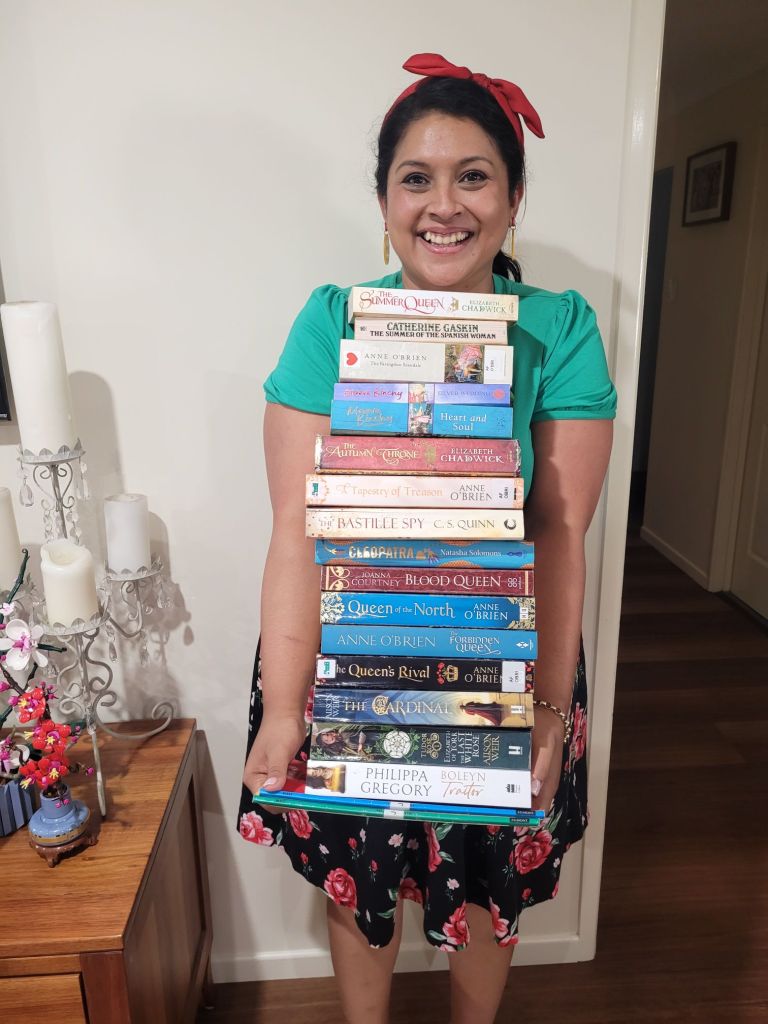
So, over the six weeks of summer holidays I did just that- I read 34 physical books, 4 eBooks and 2 comics. I am still on the mission to finish the rest of the Tintin series over the next few weeks – but for now, this particular book dragon is exceedingly happy.