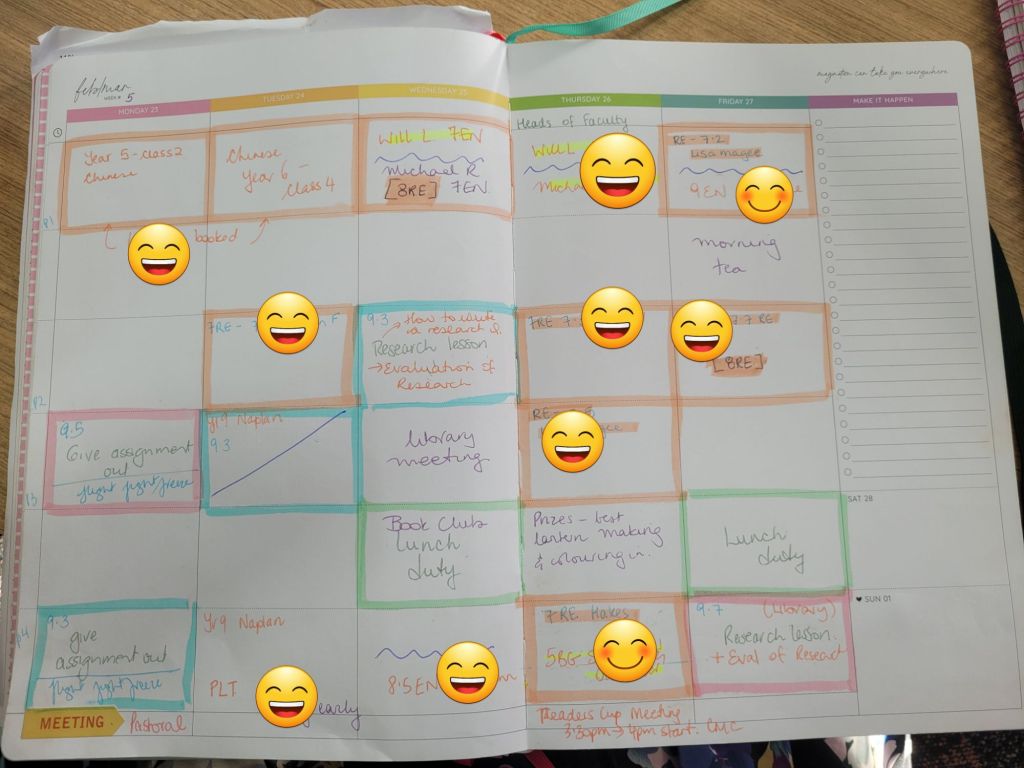
A term in the life of a teacher librarian is never a simple, steady journey. It rises and falls in energy and pace, shifting between calm stretches, intense bursts of activity and a mid term crescendo that only those who have stood behind a circulation desk during second break truly understand. Teacher librarians do not just follow the rhythm of the school term. We breathe it, support it and often hold it together with a blend of planning, flexibility and a genuine love of learning.
The beginning of the term often appears calm on the surface, but behind the scenes it is a hive of thoughtful planning and collaboration. This early period is spent mapping out programs, updating units, preparing resources and scheduling literacy and information literacy lessons across the curriculum. It is the time for meetings with teachers who bring new ideas for research tasks, nurturing fledging literacy programs or supporting disciplinary literacy through explicit vocabulary instruction. These conversations help shape the curriculum support that will run throughout the term and ensure that every lesson and library experience has purpose and structure. It is also the time for deeper discussions with Heads of Curriculum to align expectations, strengthen research skill development and embed digital and information literacy meaningfully across year levels. The work may be quiet, but it forms the foundation for everything that follows.
By the time the middle of the term arrives, the calm has vanished completely. The library becomes a vibrant and sometimes chaotic hub of constant movement. Students flood through the doors needing books, recommendations or support with upcoming assessments. Borrowing sessions become lively and energetic as classes arrive with armfuls of returns and requests. This is also the busiest teaching period of the term, when the carefully prepared information literacy sessions come to life. Research skills, digital literacy, source evaluation, referencing, note taking and inquiry support all happen at a rapid pace. Teacher librarian roles expand and overlap as we teach back to back lessons, guide students through tasks, troubleshoot technology and support teachers in real time as units unfold.
Amid the flurry, collaboration continues in more practical and immediate ways. Teachers pop in needing quick resources, task sheets are updated on the go and reading groups or book clubs meet regularly. Displays evolve to match what is happening across the school and the flow of students keeps the space buzzing. Moments of humour, curiosity and connection appear constantly, whether it is a student searching for a book they can remember only by its colour or one who is unsure whether reading ten pages a night officially qualifies them as a reader. It is busy and demanding, but it is also the most rewarding time of the term.
As assessment deadlines pass and the term moves into its later weeks, the pace softens again. Students return to the library in search of quiet corners for study, calm spaces for reading or simply a break from the noise of the school day. This slower period allows time to catch up on the larger ongoing projects that were temporarily buried beneath the mid-term rush. There is even the rare moment where a cup of chai stays warm long enough to be enjoyed.
By the final couple of weeks, the library takes on a different kind of energy. Lost books mysteriously reappear from lockers and school bags when billing invoices get sent home. Teachers arrive with last minute requests for resources or holiday reading suggestions. Then there is my own teaching practice, my own classes I have to teach, assess and report on.
Despite the peaks, troughs and everything in between, there is a satisfying sense of purpose in the ebb and flow of library life. Teacher librarians witness students discover stories that inspire them, questions that challenge them and skills that will carry them far beyond the classroom. These moments make every busy break, every full borrowing session and every packed week of information literacy worth it.
I’ve just returned from a wedding overseas. It was a beautiful celebration, and between the flights and lounges, I had time to catch up on some reading. Normally, I’d pack a couple of paperbacks, but this time, I decided to travel light and for the first time, go digital only.
This was not a lightly made decision! Before I left, I logged into eWheelers through my school account and downloaded a few titles I’d been meaning to read and others for my children. I also used BorrowBox via my Brisbane City Council library membership. I accessed both platforms on my phone, which made it incredibly easy to dip in and out of books whenever I had a spare moment. One of the great things about eWheelers is that it works across multiple devices, so whether you’re on a tablet, laptop, or mobile, your library is always within reach. It can also be read offline, as can books on Borrowbox which makes it perfect for when WiFi is not available.
Pool side reads
Ebooks are brilliant for travel. They offer the flexibility to read whatever you fancy without the bulk. It’s quick, convenient, and surprisingly satisfying to flick through pages with just a tap. For students, ebooks and or audiobooks, are becoming an increasingly valuable library resource. Many prefer them because they’re easy to access, allow for tech engagement, and offer features that physical books simply can’t.
Digital reading platforms often include options to change font sizes, switch to dyslexia-friendly fonts, or even translate texts into different languages. This makes eBooks especially helpful for students with vision impairments, learning differences, or those studying in multilingual environments. It’s a more inclusive way to read, and it’s reshaping how libraries support diverse learning needs.
And let’s be honest, eBooks also preserve a bit of anonymity. I’ll admit, I indulged in a cheeky bit of romantasy and adult fiction on the plane, the kind of titles that might raise eyebrows if I were carrying the physical copy around in public or completely mortify my children next to me! For young people, this privacy is gold. It allows them to explore genres they might be embarrassed to share with peers, especially when it comes to romance or identity-focused narratives.
This ties into a broader issue: many teens feel pressure to conform to social norms, especially around gender expectations. Ebooks offer teens a quiet refuge—a way to read without the gaze of others. For students navigating the delicate terrain of romance, identity, or emotionally expressive stories, this privacy matters. These genres, often unfairly stigmatised among peers, can feel too vulnerable to carry in plain sight. Smith and Wilhelm (2002) observed that boys, in particular, are more inclined to engage with emotionally rich narratives when the fear of judgement is lifted. In this way, digital reading becomes more than convenience, it becomes a gentle permission to explore, reflect, and connect with stories that might otherwise remain untouched.
eBooks also allow for customisation, changing fonts, adjusting layouts, and even switching languages, which makes reading more accessible and less intimidating for students with dyslexia, vision impairments, or those learning English as an additional language. For teens navigating identity, peer pressure, and personal growth, digital reading can be a quiet revolution, one page at a time.
That said, I do miss the tactile joy of a real book. The smell of the pages, the feel of the spine, and the quiet ritual of turning each leaf offer a kind of bibliotherapy that digital formats can’t replicate. There’s something grounding about physically interacting with a book that screens just don’t deliver. This feeling is evident from what the research tells us and what my experience has been as a teacher librarian in high schools because teenagers still express a strong preference for physical books despite the popularity of digital reading platforms. This inclination is often tied to the sensory and emotional experience that printed books provide such as the feel of the pages, the smell of the paper, and the visual satisfaction of seeing progress through a tangible object. Young readers, in particular, report screen fatigue and eye strain from prolonged digital use, making physical books a welcome reprieve from their tech-saturated lives (World Economic Forum, 2023). Additionally, cultural trends like #BookTok have reignited enthusiasm for printed books, with teens embracing the aesthetic and social aspects of owning and sharing physical copies (Literary Hub, 2023). Research also shows that teens retain information better and concentrate more effectively when reading print, especially in academic settings (ResearchGate, 2024). These findings suggest that while ebooks offer convenience and accessibility, physical books continue to hold a meaningful place in teen reading habits.
Still, for this trip, convenience won. And who knows, maybe next time I’ll sneak a paperback in for old time’s sake.
Smith, M. W., & Wilhelm, J. D. (2002). Reading don’t fix no Chevys: Literacy in the lives of young men. Heinemann.
University of Edinburgh. (2024). Supporting teenagers’ reading enjoyment and engagement: A guide for teachers and librarians. https://blogs.ed.ac.uk/literacylab
Contemporary libraries for the contemporary student
MCEETYA (2008) envisaged the modern student as an engaged learner, literate across modalities and able to critically evaluate the present pervasive overload of information. This contemporary student needs a library that enables these abilities and meets their cognitive, behavioural and developmental needs, so that they can gain an active citizenship in a digital world. Since the primary focus of any school library is to meet the needs of curriculum and the students, a school library Collection Development and Management Policy (CDMP) needs to address these 21st century mandates (ASLA & VCTL, 2018; MCEETYA, 2008; Mitchell, 2011; Learning for the Future, 2001; Nat Lib of NZ, n.d.b).
The robustness of a school library collection is dependent on its CDMP, and consists of physical and electronic resources accessible by the library management system or LMS (Mitchell, 2011, p.10). Physical resources include books, maps, atlases, CDs, DVDs, and the various technologies required to gain access to them (ASLA & VCTL, 2018, p.10). Electronic resources include digital literature, ebooks, audiobooks, online encyclopaedias and useful websites as well as devices such as e-readers, laptops and tablets (ASLA & VCTL, 2018, p.10). To be considered as part of the collection and included within the LMS, resources need to be curated against a set of selection criteria to ensure that they meet curriculum outcomes (ASLA & VCTL, 2018; Mitchell, 2011, p.10; Johnson, 2018). Unfortunately the vibrant nature of school libraries is diminishing as people often view the Internet and electronic resources as a viable alternative to physical and print resources (Wood, 2017; Kachel, 2016). But not all electronic or digital resources are automatically superior to print and physical. Instead physical and electronic texts should be considered equally important within a reading paradigm and a school library context (Mitchell, 2011; Mantei, Lipscombe & Kervin, 2018).
The Library Collection Development and Management Policy or CDMP, requires all resources be assessed and evaluated for function, accuracy and reliability, and this includes both physical and electronic resources. The physical component of a library is fairly straightforward to collect, curate and catalogue, as these resources are owned by the school and can be stored in a specific location for student access. Whereas, most electronic resources have access permitted through leases or subscriptions held by libraries. These subscriptions often describe the licencing for a number of users and terms are often dictated by the publisher. It must be noted that some digital resources can be owned, like purchased electronic books, but leases or subscriptions are more common within libraries.
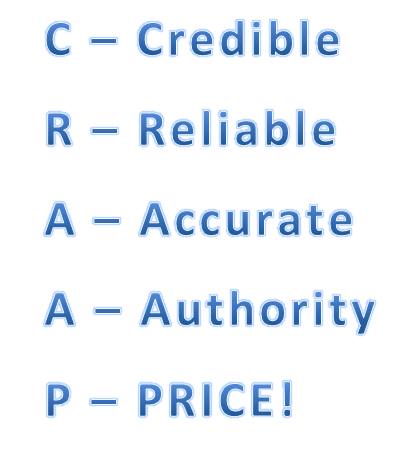
Electronic resources also vary in their format, require different devices for access, and can suddenly ‘disappear’, which can place additional costs on libraries and users. Some digital resources such as websites and webpages often require close scrutiny to ensure authority. The considerations a teacher librarian has to make to determine suitability for digital and electronic resources are more exacting than for physical and print sources (Johnson, 2018). These considerations, or selection criteria are used to differentiate an electronic source’s credibility, reliability accuracy, authority and importantly, price. It’s the CRAAP test for librarians.
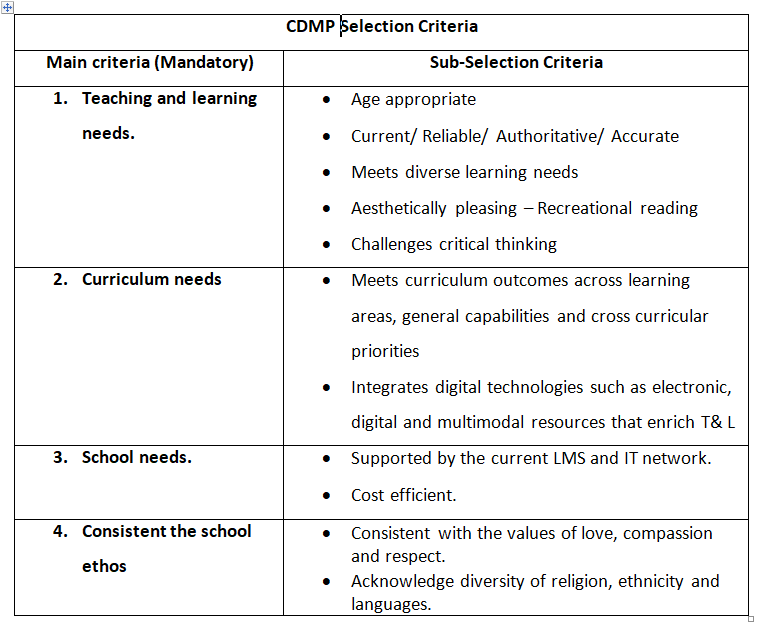
Hughes- Hassell & Mancall (2005) advocates the use of a flow chart to determine suitability, whereas El Mhouti (2013) suggests the use of a tree structure that assesses academic, pedagogical, didactic and technical qualities. Whilst I have considered both these options, I do prefer the main criteria and evaluative process by El Mhouti et al., (2013) as it is methodological, and it seems foolhardy to exclude resources should they not meet each and every requirement. Instead, resources should satisfy all the main criteria and at least one of the subsections.
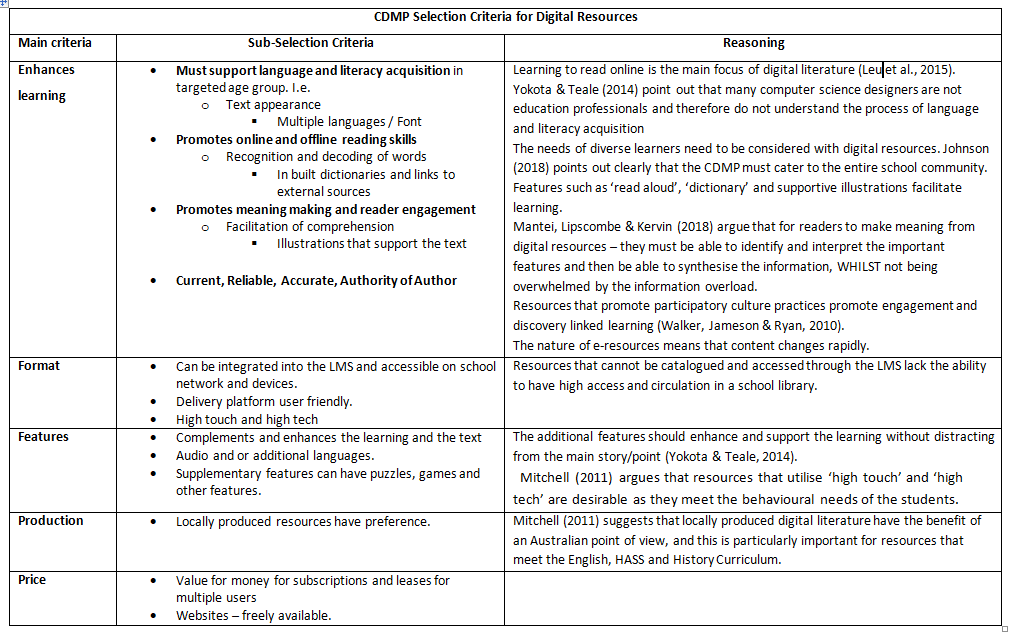
The following selection criteria was created to assess and evaluate resources for a Catholic high school library. These criteria points, whilst not exhaustive aim to cover the essential aims and priorities (Hughes- Hassell & Mancall, 2005; National Library of NZ, n.d.a; ALA OIC, 2018). I have previously covered some of this information in this blog post!
Whilst the above selection criteria are deemed suitable for physical resources, it seems apparent that digital resources require additional considerations (Johnson, 2018, p.128). These considerations will change depending on the school, its digital capability and the needs of its community.
Valid considerations when evaluating digital resources are:
The essential point of electronic resources and digital literature is to facilitate the learning process. From a literacy perspective, the primary purpose of texts in a digital space is to improve a student’s ability to promote transaction with the text. Engagement, comprehension and evaluation of digital texts require online AND offline reading skills. Offline reading skills such as word recognition, subject specific content vocabulary and meaning making are all essential for online reading (Leu et al., 2015). Whereas online reading requires the reader to locate information, critically evaluate the information present, synthesise multiple sources of information and be able to problem solve (Leu et al., 2015). Resources that DO NOT ENHANCE the learning process, DO NOT BELONG in a school library collection!
The National Library of New Zealand (n.d.c) points out that libraries are responsible for the curation of digital resources and that they meet the same collection development standards as set in the CDMP. Many teacher librarians use LibGuides as a method to curate digital content, as they are a great way of drawing attention to subject specific resources teaching and learning purposes (German, 2017). Other tools used to curate content include Diigo, Pinterest, PearlTrees, Twitter and Feedly (Nat Lib. of NZ, n.b.c).
Digital and electronic sources are often used to meet the needs for diverse learners. Students with cognitive, behavioural and developmental learning needs do require resources in different formats and it is the duty of the CDMP to ensure that their policies meet those needs (Johnson 2018). An example is providing access to audiobooks and databases with a “read aloud” function and checking the accessibility of websites to assist with equitable access for students with visual impairments and learning disabilities.
Leu et al. (2015) argues that instead of teaching students the intricacies of software, it is more important to teach the skills, which can then be transferred across subjects and out of the school environment. This means that online reading and learning needs to be the main focus of digital resources (see above point).
A concern from many teacher librarians about digital literature is the issue of copyright (Sahoo & Goel, 2018). The internet has made it very easy to infringe these rights. Therefore any resources added to the school library collection need to be sourced ethically and the author clearly sited on the source.
Digital resources need to be supported by the school’s network and LMS, and if BYOD program exists, licensing that permits multiple users (IFLA 2015). Many online libraries such as BorrowBox and Wheelers only permit one user at a time to access their collection. Whilst this is appropriate and acceptable for public libraries, it does not work for texts used for teaching and learning. In these cases multiple print copies would be more financially sound.
Emerging technologies such as AR and VR are starting to appear in libraries across the world. Their prevalence is currently limited to academic libraries and public libraries but are starting to emanate in school environments. Mitchell (2011) argues that resources that utilise ‘high touch’ and ‘high tech’ are desirable as they meet the behavioural needs of the students.
(Johnson, 2018; Nat Lib NZ, n.d.c; Hughes-Hassal & Mancall, 2005; El Mhouti, 2014; Yokota & Teale, 2014; Leu et al., 2015; Mantei et al., 2018; Walker et al., 2010; Mitchell, 2011)
The Australian curriculum requires the inclusion of digital and multimodal texts to support learners in their endeavour to become active citizens in a digital world. The integration of digital resources has a dual purpose in school collections, as it fulfills the learning requirements dictated by ACARA, as well as the contemporary skills the modern student needs (MCEETYA, 2008). Since the focus of a school library is to support and address the curriculum, the CDMP needs to ensure that its selection criteria promotes the curation of reputable and reliable resources in both print and electronic forms. The truth of the matter is that technology is constantly transforming, and with this constant change, the nature of digital and electronic resources available for teaching and learning is adapting at the same pace. This rapid change means CDMP policies are often unable to keep up with technology advances, which means it’s up to the TL to use their discretion when considering the inclusion of digital resources into the school library collection.
Hughes-Hassell, S., & Mancall, J. C. (2005). Collection management for youth : Responding to the needs of learners. Retrieved from https://ebookcentral.proquest.com
IFLA (2015 ) IFLA School library guidelines. 2nd Edition. International Federation of Library Associations and Institutions. Retrieved from
Jong, M. (2019). Sustaining the adoption of gamified outdoor social enquiry learning in high schools through addressing teachers’ emerging concerns: A 3-year study. British Journal of Educational Technology 50(3). Pp1275-1293. DOI: 10.1111/bjet.12767
Learning for the future: developing information services in Australian schools 2nd edition (2001). Curriculum Corporation, Carlton South. Retrieved from http:// www.curriculumpress.edu.au/main/goproduct/12405.
Leu, D.J, Forzani, E.,Timbrell, N., & Maykel., C. (2015) . Seeing the forest, not the trees: Essential technologies for literacy in primary grade and upper elementarty grade classroom. Reading Teacher 69: (2), p.139-145. Retrieved fromhttps://eric.ed.gov/?id=EJ1073399.
Mantei, J., Kipscombe, K., & Kervin, L. (2018). Literature in a digital environment (Ch. 13). In L. McDonald (Ed.), A literature companion for teachers. Marrickville, NSW: Primary English Teaching Association Australia (PETAA).
Sahoo, B., Kumar, A. & Goel, S. (2018). Digital resources management: The role of the National Digital Library. International Journal of Information Dissemination and Technology, 8(3), 143-146.
Walker, S., Jameson, J., & Ryan, M. (2010). Chapter 15 – Skills and strategies for e-Learning in a participatory culture. In Sharpe, R., Beetham, H., & de Freitas, S. (2010). Rethinking Learning for a Digital Age. Retrieved from CSU library.
My journey into literature started very traditionally. Like all members of my generation (after boomer but before Z), I learned to read from first readers to chapter books, series fiction and comic books ( more Jughead than Nimona) and all of them in print. Consequently as an adult, my preference for recreational reading is for print and I do use digital journal articles for educational purposes but that is a matter of expediency rather than inclination. As I have documented my reading journey in previous blog posts so I will not go into that again.
(But you are more than welcome to read about my love of reading/books etc. Try this one when I fell in love with reading, or this one about the importance of storytellng, or this one about childhood favourites)
My personal preferences for text formats have leached into my professional practice. As an early career teacher I always favoured print texts for my classrooms because that was the medium I was confident and comfortable using. I was reluctant to explore and use digital literature because I wanted to conserve my faculties for behaviour management and pedagogical practices. I did not want to add in technology and digital literature to my already overloaded self.
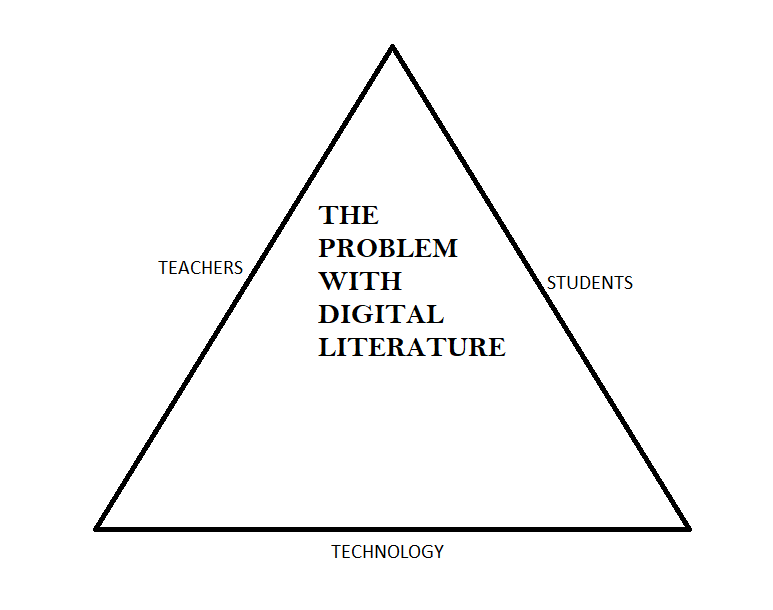
Fast forward two years and my foray into the role of a teacher librarian has forced me to extend my practice into the digital realm. I have learned how to teach information literacy by navigating my way through ebooks, audiobooks and interactive books online. I have downloaded and experimented with book apps, created bento boxes and book trailers. Through this journey of discovery using digital literature and creating digital text, I have come to the conclusion that there are three main concerns when advocating for the inclusion of digital literature in the classroom. These concerns are, students, teachers and the technology itself.
The most commonly cited impediment for the implementation of digital literature into classrooms are the students themselves. I have previously detailed the multitudinal issues relating to reading and comprehension of digital texts in another blog (see here), so I will just give a synopsis now. Besides the usual issues of forgotten, uncharged and missing laptops, many students struggle with reading digital literature because they struggle with visual ergonomics in digital texts. Their inability to locate text leads to reduced comprehension and negative mental representation of the text (Mangen et al., 2013, p.66). This lack of comprehension, combined with poor digital literacy (see this post!) and the fact that many students are easily distracted by games and social media can negatively impact the integration of digital literature in classroom practice.
Teachers themselves are another liability when it comes to the implementation of digital literature in the classroom. Even though AITSL (2017) is very clear in the Teacher Standards that ICT needs to be included in teaching strategies (Std 2.6), and within resources selection (Std. 3.4), there is still a strong reluctance among many teachers to use digital literature meaningfully in their classroom practice. This disinclination to use digital literature could be due to a myriad of reasons as Hyndman (2018) explains in this article. One very pertinent reason is that many teachers feel pressured to suddenly become digital experts as they often assume they need to be the expert so as to instruct and assist students in their learning (Hyndman, 2018). Hyndman (2018) goes on further to say that these feelings of anxiety can exacerbate in schools with BYOD programs as the large variability in student device capability can cause increased technology anxiety. But there is no expectation that teachers be experts in understanding the complexities of individual devices nor in how the digital literature was created, only that they use them in their teaching practice (AITSL, 2017; ACARA, 2014).
The last crucial variable is the literature itself. Digital literature comes in many formats and ranges from scanned books on a website, ebooks, enhanced ebooks, linear narratives, hypertext nonlinear narratives and mobile applications for tablets and smartphones. Each of these literature formats may use different technology, require competency in different literacies and consequently need specific pedagogies for instruction. The combination of these new formats and technologies can be overwhelming for many teachers. Unfortunately, professional development for teachers regarding ICT and digital literature is often ad hoc and lack specific focus, which can inhibit the integration of these technologies into classrooms (Howard & Thompson, 2016).
When you view these issues, it seems evident that the best way to improve the breadth and variety of digital literature in classrooms, is to explicitly motivate, introduce, and teach educators about the various formats and their applicability to classroom practice (Korthagen, 2017; Hyndman, 2018). As teachers we have little control over student’s device selection and swiss cheese memories. But we can have control over our own learning and behaviour.
There are a myriad of learning courses available for teacher education, and teachers are encouraged to extend their professional development. This explicit instruction targeting ICT and digital literacies would be assumed to automatically lead to a cognitive change in teachers, which in turn would correlate to improved integration of digital literature in classroom practice. (Korthagen, 2017, p.390). But this assumption of correlation following a cognitive change is a fallacy as behavioural change requires more than just improved cognition, it requires motivation and affect too (Korthagen, 2017, p. 389-390)!
Therefore it seems foolhardy of ATSIL (2017) and ACARA (2014) to mandate the integration of technologies and multimodal literature into classroom practice without accounting for the requirements of behavioural change (Korthagen, 2017, p. 389-390). Simply dictating teachers to increase digital literature into classroom practice will not succeed in altering their behaviour, as this level of change requires cognition, affect AND motivation (Korthagen, 2017, p.390). Affect not only has an impact on teacher behaviour but also on student motivation. Teachers who are frustrated and disinclined with using digital literature are not going to translate the value of that format to their students. Whereas teachers who gain pleasure from using ICT are more enthusiastic about it, and this has a positive effect on their motivation too. Intrinsic motivation in teaching comes from teachers having a sense of autonomy, competence and relatedness in their profession (Korthagen, 2017, p.391). A teacher that has learned about digital literature, through formal professional developments or informal social learning is more likely to implement those new practices if they are enthused about it and that they can apply this knowledge in a manner of their choice.
So it appears the best way for a teacher librarian to introduce and promote digital literature in schools is to:
Run training sessions for teaching staff and support staff about various digital literature formats and how they meet specific learning outcomes.
Share your ideas, enthusiasm and motivation about digital literature, model, talk, blog and boast about how it works for your classroom, and most of all, be positive and laugh about it – After all, happiness and a smile are way more infectious than COVID-19.
Mantei, J., Kipscombe, K., & Kervin, L. (2018). Literature in a digital environment (Ch. 13). In L. McDonald (Ed.), A literature companion for teachers. Marrickville, NSW: Primary English Teaching Association Australia (PETAA)
Walsh, M. (2013). Literature in a digital environment (Ch. 13). In L. McDonald (Ed.), A literature companion for teachers. Marrickville, NSW: Primary English Teaching Association Australia (PETAA).
Pexels / Pixabay – Classroom divide – How is your classroom divided?
For a period of time, society was of the opinion that people who grew up with technology would naturally be comfortable and confident using it as it was their native ‘language’. These technically savvy individuals would require minimal instruction on digital literacy because as a cohort, they would approach digital technologies with intuitiveness and instinct.
But that assumption was WRONG!
Not just kinda wrong ..
BUT
EPICALLY WRONG!
Think
BIGGER THAN
CC BY-NC-SA 2.0
KIND OF WRONG.
But I digress…
The myth of the digital native and digital immigrant has been thoroughly debunked (Kirschner & De Bruyckere, 2017). They myth assumed that technology competence was inherent because of life long exposure to digital technologies (Frawley, 2020). This bias is based upon the common image of students permanently attached to their devices for social and personal practices, and does not translate to ICT proficiency in an educational setting (Brown & Czerniewicz, 2011).
Day (2012) suggests that the theorised cause of the previous digital divide was between those with computer access and those without. But most teachers would disagree. Many students have access to smartphones and tablets for personal use and they are still flummoxed at using technology in their schooling. It appears there is a clear lack of translation from social use of devices and technology to educational practices. This is observable in the way students are familiar with keyboards for gaming purposes, but very few are highly accomplished at touch typing (onlinetyping.org, 2020). It amazes me how some students can deftly play online games and switch their screens in milliseconds to avoid detection, but are unable to create and save a document to find at a later date. Others can create a TikTok video, but do not understand the mechanics of boolean operators to search databases. I have students that can surf the web for hours but are unable to read an article online in depth and the list just goes on…. All these examples clearly show that any correlations of age should not be translated to an assumption of digital literacy. Digital literacy, as I have expounded on before, are the psychomotor, cognitive and affective skills required to use digital technologies successfully (McMahon, 2014, p.525). Students and their parents who are technology savvy are more adept at navigating the digital world (Day, 2012).
Educational professionals around the world have realised the impact the digital divide has had on learning outcomes (Steele, 2018). In Australia, the divide was previously acknowledged in educational circles but has been brought to the forefront with the recent Coronavirus pandemic and corresponding school closures. The nation wide school closures identified numerous students and their families who lacked access to personal devices and high speed internet at home (Coughlan, 2020). Some students and families did attempt to stream online learning through mobile phone data but this method proved to be unrealistic and very costly (Coughlan, 2020). Whilst most Educational Directorates across Australia provided their disadvantaged students with laptops and internet dongles, the process was often time consuming and bogged by red tape (Duffy, 2020).
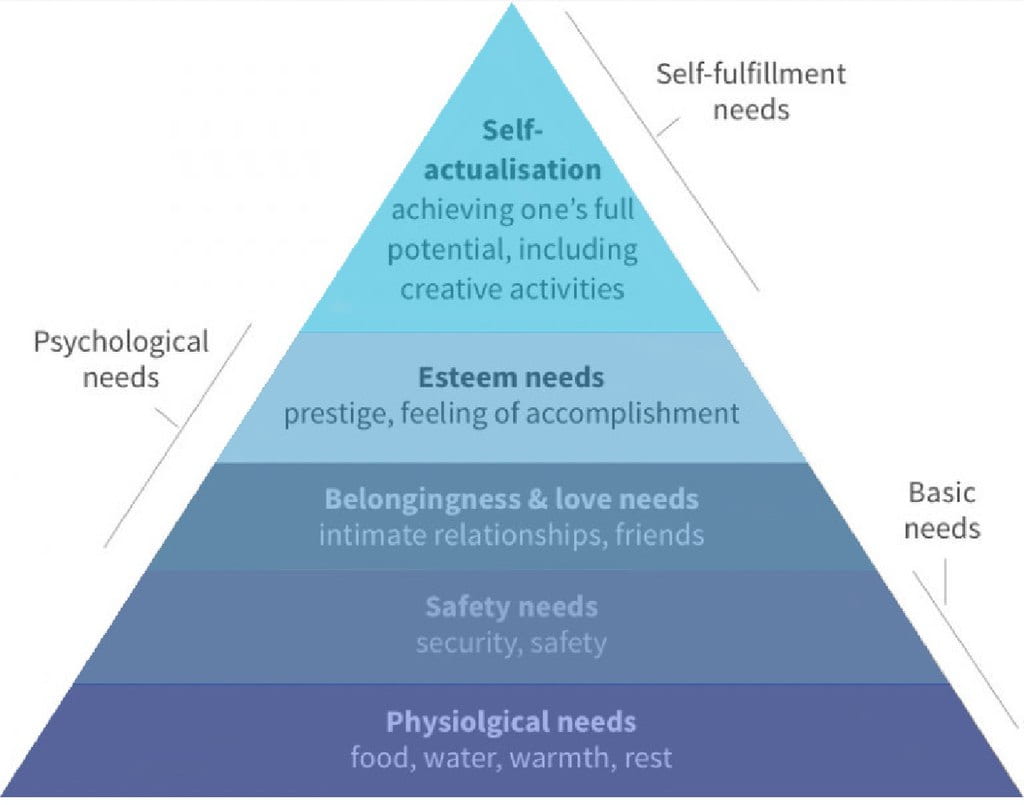
Students with a digital disadvantage often have a very different schooling experience than students who could be considered digitally elite. The digitally elite are able to study from the comfort of their couch or their bedroom, in pleasant and safe surroundings (Steele, 2018). The level of work produced by these students is higher and of better quality as they are not worrying about library opening hours, or stressed or anxious about getting home late. Whereas students who are disadvantaged may hand in poorly conducted assignments because they were unable to research under optimal conditions (Steele, 2018). Many teenagers are too embarrassed to be seen doing school work in the library when their friends are playing games, and some students who lack NBN, broadband internet and a desktop or laptop at home, persist in doing their assignments on their mobile phones, which leads to increased fatigue and eye strain. Many disadvantaged students would rather cite lack of interest in learning, or pretend to be apathetic than admit they do not have appropriate facilities at home and just stop trying to learn. When you consider Maslow’s hierarchy of needs, it is clearly obvious that a student’s self actualisation is unlikely to occur if their personal safety and security is at risk (Hopper, 2020).
Chiquo (2019) CC-BY-SA 4.0
Some critics would argue that personal devices such as smartphones are ubiquitous and allow anyone with a phone internet access. Sung (2016) points out that whilst mobile phones do offer internet access, it is not conducive for conducting research or in depth analysis of documents and as they tend to promote superficial features such as emails, social media and multimedia (Sung, 2016).
Education Magazine (2020) points out that the onus to reduce the divide are within the realm of federal and state government departments. Currently, the most common method government bodies chose to address the digital gap is to supply students with a personal device such as a laptop or tablet (Jervis-Bardy, 2020). But Steele (2018), Day (2012), and Boss (2016) all agree that bridging the divide goes beyond just supplying students with devices as simply handing each student a device does not build critical thinking and digital citizenship. But the explicit teaching of digital literacy across all learning areas, would not only have a greater impact on bridging the gap, it would also empower students to gain further digital knowledge and understanding (Steele, 2018; Lori, 2012).
Whilst teaching students digital literacy is an essential step, it is important to also involve their parents opportunities that build ICT competence and digital literacy (Wolohan, 2016; Hiefield, 2018). Wolohan (2016) suggests that when schools and communities offer digital information sessions, it affords opportunities for parents who may also have low digital literacy a chance to broaden their knowledge and learning (Boss, 2016). This then means that parents are able to assist their children with their learning at home, which improves technology integration, learning outcomes and bridges positive connections between school and home (Hiefield, 2018). These sessions could also be used to inform families of any extra facilities and services that the school offers, such as extended library hours, homework help, as well as other local facilities such as public library and other community services (Wolohan, 2016).
School libraries and teacher librarians are already involved with digital literacy pedagogical practices in numerous ways – as I have mentioned in this blog . Another engaging and innovative way to boost digital literacy are digital or coding clubs. Busteed & Sorenson (2015) suggest that lunchtime run digital clubs and programs are a fun and engaging way of teaching digital literacies and competencies at school. These clubs allow students to explore different computer programs and devices independently or in collaborative learning groups. Lunch time clubs also open the door for many students, including digitally disadvantaged students, a chance to explore emerging technologies that they may not normally get access to (Busteed & Sorenson, 2015). As these clubs are predominantly social in nature, they do not have to conform to curriculum requirements, and this means students are able to explore their own interests instead of canon. Further school based options include ensuring a bank of spare devices for students who do not have access to their own, advocating for an extension of library opening hours outside school hours to allow students time to study, as well as explicitly teaching digital literacy skills as part of teaching and learning (Education Magazine, 2020).
How to reduce the divide: Classroom based learning.
Teachers and educators should be encouraged to adapt their practices to reduce or minimise any unnecessary ‘digital’ stress on their students. Stress factors include take home assignments and feelings of overwhelm due to poor digital literacy skills. Wolohan (2016) advises teachers to get to know their cohort and understand that whilst students may appear to be confident using their devices, it is not advisable to send large assignments home unless digital literacy and ICT facilities at home are assured. Non submission of tasks could be due to lack of internet or even access to assistance from parents or caregivers, who may have low digital literacy skills and unable to assist their children with tasks (Wolohan, 2016).
The other consideration classroom teachers and teacher librarians need to make is to acknowledge that each student’s ICT ability will vary and that our learning activities need to match their competencies. This means that digital literacy needs to be differentiated the same manner as the rest of the curriculum (Wolohan, 2016). One method is to identify students’ zone of proximal development, and create learning activities that are within that zone for optimal learning (Audley, 2018). This method is far more efficient and beneficial than assuming capability or teaching at a fixed point.
CONCLUSION
Steele (2018) feels like the greatest social ramification of the digital divide is that disadvantaged students will not get the same opportunities to be creative and inventive with digital technologies. This means that the future scope of these students would be limited and possibly restricted in this new information paradigm to long term prospects of minimum wage. Whereas students on the better half of the divide have unlimited access to information in the safety and comfort of their own home, the financial stability to access emerging technologies, increased opportunities to develop interest and skills in engaging and exploring these technologies. Their long term prospects are far removed from their disadvantaged peers who often have to travel extensively to have the same access to technology and the internet. This in itself is very limiting for many students and reduces their future educational and economic prospects. As teachers and educators, we need to remember that schools are supposed to be the great equaliser, and to provide equal and equitable access to knowledge and learning. Though in reality, we all know life and education is definitely not equal. Government policies can often get influenced by political affiliations and can take time to come into effect. But we as teachers have influence in our classrooms, and our actions and practice in the classroom can make a difference to improve the digital literacy of our students, improve student learning and reduce the width and depth of the digital divide.
Brown, C., & Czerniewicz, L. (2010) Debunking the digital native beyond digital apartheid, towards digital democracy. Journal of Computer Assisted Learning (26) 5. p357-369. DOI: 10.1111/j.1365-2729.2010.00369.x
The third millennium has clearly delineated a strong demarcation between people who are confident using digital technologies and those that are not.
Prensky (2001) attributed this confidence to the time frame in which people were born, and described that those that grew up with technology are designated ‘digital native’, and those who had to be introduced to technology as ‘digital immigrants’ (Prensky, 2001; Houston, 2011). Prensky (2001) stated that the modern student is digitally savvy because of their lifetime exposure to personal devices, the internet, and therefore will be highly competent using digital technologies in their personal, social and educational domains. He predicted that ‘digital natives’ would have increased intuitiveness and competence when using digital media, and teachers need to adapt their pedagogical practices to reflect this paradigm (Prensky, 2001; Houston, 2011).
Unfortunately reality is very different. Not all modern students are competent and adept with using digital technologies, and the use of the terms native and immigrant, as well as the assumption of proficiency, has led to frustration and a deep digital divide in the classroom and the greater community.
The terms digital ‘native’ and ‘immigrant’ itself are polemical.
Brown & Czerniewicz (2010) point out that by using these titles, society is polarising itself and categorising the former is fully adept using technology and the latter, a completely maladroit luddite. The terms can also be viewed to some people as offensive, as both the words natives and immigrants have negative connotations when considered in tandem with colonisation and immigration policies in the western world (Brown & Czerniewicz, 2011). Instead it seems more sensible that ICT competency be based and assessed upon ability and capability rather than age (Brown & Czerniewicz, 2011).
The most pertinent factor that these generic terms fail to acknowledge is the impact of privilege on ICT acuity.
Not every person born during this digital age has unlimited access to technology in their personal life.
Not every household has access to multiple devices and high speed internet.
The recent online learning experience clearly illustrated that it is the combination of these factors that affect ICT competence, not age or birth year (Brown & Czerniewicz, 2011).
From a personal viewpoint it appears that ICT ability and acuity is more comparable to a continuum rather than polar opposites. Individual and collective ability will vary depending on exposure to various software programs, frequency of use, access to devices and high speed internet in the home (Houston, 2011). It is simply ludicrous to assume familiarity with one program means virtuosity over all (Frawley, 2020).
For example, I would call myself competent when I use Windows or android devices, but am a complete tech-tard when it comes to Apple and Mac products because I am unfamiliar with them. I am fluent in Facebook, Instagram and Microsoft 365, but ignorant of TikTok, Snapchat and Minecraft. I may know the intricacies of a few programs and basics of many more, I am often completely unaware of any enhanced functionalities of how these programs can be used for social or educational purposes (Kirschner & De Bruyckere, 2017, p.136). By the same benchmark, I am comfortable with using many different forms of digital literature but would flounder if asked to create a hypertext digital narrative with embedded multimodal features. By Prensky’s parameters I am classified as a digital native as I was born after the onset of the information revolution, but since I don’t know how to play minecraft, lack a TikTok account and still listen to the radio, my year 7 students think the dinosaurs were around at my birth (Prensky, 2001)…. See… continuum.
This digital divide and inequality of access has proven to be a major issue for many families and households in Australia, as it is well known that teenagers who are not actively engaged in education, employment or training are most likely to be digitally disengaged (Helsper & Smirnova, 2019). This is because most educational institutions offer their students unlimited internet access through onsite wifi.
geralt / Pixabay – Schools and libraries provide equitable access to digital technologies.
The current Coronavirus pandemic and corresponding lock down restrictions have highlighted the disparity between that socio-economic status and residential postcodes and corresponding impact on a person’s ICT competency and educational success (DIIS, 2016; Thomas et al., 2018). The shutdown of schools, libraries and other educational institutions have shown that people who live in lower SES communities, or in rural and remote areas, recent immigrants and refugees, as well as First Nations peoples are significantly more disadvantaged when it comes to access and ICT competency (DIIS, 2016; Thomas et al., 2018). Reasons cited include insufficient funds to purchase personal devices and access to high speed internet, living in shared housing or remote areas, loss of employment and lack of a fixed address (DIIS, 2016; Thomas et al., 2018).
Community leaders and social organisations are very concerned with further disenfranchisement arising from the Coronavirus pandemic and the corresponding closures of schools, libraries, governments and social organisations shopfronts (Alam & Imran, 2015). This means that socially disadvantaged individuals are even further inconvenienced by their lack of ICT knowledge and access (Alam & Imran, 2015). For young people, these closures have extended ramifications as they are conscious of their lack of access and often end up feeling marginalised and excluded, due to their inability to have an active participation in a digital society (Helsper & Smirnova, 2019). (For more information on inequalities in digital interactions click here!)
The term digital native is now considered obsolete by most reputable educational professionals (Frawley, 2017). Brown & Czerniewicz (2010) clearly indicate that age is not an indicator of ICT acuity but rather access to devices and the internet is what defines digital adroitness. Instead of using the terms ‘native’ and ‘immigrant’, Brown & Czerniewicz (2010) advocate the terms ‘elite’ and ‘stranger’, as it seems financial security is a greater indicator of digital acuity than age .
Digitally elite students have unlimited out of school access to ICT through personal devices, high speed internet, and electricity, whereas digital strangers have limited access to ICT and the internet once they are no longer on their educational or professional site (Brown & Czerniewicz, 2011). These digital strangers are often of lower socio-economic status, lack digital technology at home and rely on public services such as libraries to access the digital world (Alam & Imran, 2015; Baker, 2019). This digital disadvantage can often be exacerbated by a lack of English as they are unable to participate in community run computer courses (Alam & Imran, 2015). The combination of lack of access and an inability to communicate can increase social exclusion, inhibit full participation in society as well as lead to further marginalisation and division in society (Alam & Imran, 2015).
In conclusion – the terms digital native and immigrant are no longer valid. Digital acuity and competence is instead based upon a person’s access to digital technologies and high speed internet in their residence, which is directly correlated to financial stability and urban living. By assuming someone’s digital ability based upon their age, teachers and educators are disadvantaging their students and reducing their learning potential.
Alam, K. & Imran, S. (2015). The digital divide and social inclusion among refugee migrants; A case in regional Australia. Information Technology & People, 28(2), pp.344-365. Retrieved from https://eprints.usq.edu.au/27373/1/Alam_Imran_ITP_v28n2_AV.pdf
Houston, C. (2011). Digital Books for Digital Natives. Children & Libraries: The Journal of the Association for Library Service to Children, 9(3), 39–42.
Thomas, J., Barraket, J., Wilson, C., Cook, K., Louie, Y., Holcombe-James, I., Ewing, S., and MacDonald, T. (2018). Measuring Australia’s Digital Divide: The Australian Digital Inclusion Index 2018. RMIT University, Melbourne, DOI: https://doi.org/10.25916/5b594e4475a00
There is no comprehensive data on the recreational reading preferences of Australian children and teenagers across print or digital formats, but a study conducted by Deakin University and Murdoch University point out that teens have a clear preference for print in comparison to reading on devices (Cull, 2011; Dickenson, 2014; Earp, 2017). This is surprising considering over 90% of Australian children and teenagers have access to a computer or laptop, but more than 75% never used them to access digital literature (Earp, 2017). This information seems contradictory when you consider that recent fieldwork into public libraries showed a significant shift from traditional to more digital and computer based resources to compensate for the shift in the reading paradigm (Wyatt, McQuire & Butt, 2015, p. 6-8). This is because libraries are anticipating the long term presence of digital literature, and are motivated to curate their collection to hold a range of physical and digital resources, as well as a repository of technology for their clientele’s personal, social or educational use (Cull, 2011; Wyatt, McQuire & Butt, 2015, p. 8).
O’Connell, Bales & Mitchell (2015) point out that the advent of e-books and e-readers have been the biggest game changers for school libraries in the past few decades. E-books, especially e-textbooks have become increasingly popular in schools across the country as they are able to integrate multimodal features such as interactive maps, videos and images and enhance teaching and learning practices (O’Connell, Bales & Mitchell, 2015). E-books also meet ACARA’s mandate to include a variety of print, digital and hybrid resources as part of the ICT and Literacy components of the General Capabilities (ACARA, 2018).
Whilst e-books address curriculum requirements and educational needs of the modern student, O’Connell, Bales & Mitchell (2015) do acquiesce that including digital literature may be cost prohibitive to many schools and students. Many students, especially those in lower socio-economic areas lack the financial ability to purchase a personal device to access e-books, and many schools cannot afford to purchase additional e-readers or other personal devices for all their students. The other pertinent issue is internet access. E-library subscriptions such as Wheelers require internet access at all times to read the book which is problematic when on public transport or out of wifi, whereas Borrowboxtitles can be downloaded and then used offline, which is far more beneficial. But both e-book repositories permit only one borrower at a time to access a title. For class texts , this can be extremely expensive for schools to purchase multiple subscriptions for the same title. The other pecuniary issue is that many e-books are often just ‘leased’, and as they are not owned by the school, can suddenly become unavailable and or the lending parameters change without warning.
Whilst the cost of e-books may be prohibitive, the on-going costs of maintaining digital literature subscriptions for online encyclopaedias and databases are often cheaper than obtaining individual journal subscriptions (Cull, 2011). Academic libraries in particular, often purchase databases with access to a variety of journal articles for a lower cost than individual subscriptions. Smaller libraries may coalesce to purchase a subscription together. For example, ACT local libraries offer Gale databases as part of their collection.
When it comes to genres, recent publishing trends show an increase in young adult literature across Australia and the world (Manuel & Carter, 2015). These trends indicate two possible reasons, the first being that young adults are reading increasingly, and the second, is that as teenagers age into adults, they are retaining their young adult reading preferences. Manual & Carter (2015, p.122) point out that fiction is still the most popular choice for teens, followed by multimedia, non-fiction and magazines. Genre wise, fantasy and mystery are popular with both sexes, and romance disdained by everyone (Manuel & Carter, 2015, p.123). Graphic novels are making a comeback but this time in a digital space, girls seem to like detective stories, action and adventure, whereas boys like science fiction, informational texts and biographies AND EVERYONE HATES POETRY (Manuel & Carter, 2015, p.123-124; Moorefield-Lang & Gavigan, 2011))!
What is interesting about reading preferences with teenagers is that text selection and pedagogical practices in the classroom actually has an impact on students. When inappropriate classroom texts are selected, and or the pedagogy associated with them is poor, students develop an antithesis for that particular title/genre or reading in general (Manuel & Carter, 2015, p.125). A perfect example would be Golding’s Lord of the Flies. I studied this text many moons ago and I only have ghastly memories of the text.
I am an avid reader and I STILL GET THE HEEBIE JEEBIES when I think about that book.
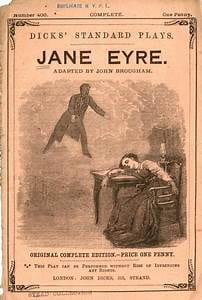
Whereas appropriate texts and good pedagogy can bolster a love of reading. I studied Charlotte Bronte’s Jane Eyre ain high school and I still love her to the point where I have seven copies of Jane Eyre!!!
*All imageswere obtained from the public domain.
YES I HAVE 7 COPIES OF JANE EYRE!!!
Digital devices have been often touted as the panacea for improving reading rates, literacy and learning for three main reasons. Introducing digital literature into classroom practice allows teachers to bridge the digital disconnect between a teenager’s personal life in the digital world and the school’s analogue world. By making these valuable connections, teachers are able to lure students to tasks they may normally disdain, such as reading class texts or researching online. Combined with the fact that most teenagers are permanently glued to their personal devices means that they are very receptive to the idea of using (their phones and) digital literature for personal and educational purposes.
Houston, C. (2011). Digital Books for Digital Natives. Children & Libraries: The Journal of the Association for Library Service to Children, 9(3), 39–42. EBSCO
Manuel, J., & Carter, D. (2015). Current and historical perspectives on Australian teenager’reading practices and preferences. Australian Journal of Language and Literacy, 38(2), p.115-128. Retrieved from https://www.alea.edu.au/documents/item/1175
O’Connell, J., Bales, J., & Mitchell, P. (2015). Literature in digital environments: Changes and emerging trends in Australian school libraries. In L. Das, S. Brand-Gruwel, K. Kok, & J. Walhout (Eds.), IASL 2015 Conference Proceedings: The School Library Rocks: Living it, Learning it, Loving it (pp. 356-369). International Association of School Librarianship. http://www.meles.nl/_clientfiles/SMD/IASL2015_Proceedings_Vol2_2ndEd_ResearchPapers.pdf
The advent of technology, the internet and plethora of personal devices has forever changed the world and in turn, the paradigm of a secondary classroom.
Whilst teenagers and society in general have embraced technology in its multiple forms for personal, social and recreational purposes, Education Departments and schools are often delayed in their digital pedagogical practices. This delay in the embedding of digital technologies and literature has exacerbated the disparity between the information literacy skills that society demands, and the ability students have when they finish school.
This digital gap is even further widened in areas of lower socio-economic success, rural and remote communities, and First Nations peoples, who lack the personal means and access to devices and reliable internet connections (DIIS, 2016).
For further information on the deepening of Australia's digital divide .. click here!
MCEETYA made a concerted effort to address this disparity by advocating for the embedding of ICT in the Melbourne Declaration on Educational Goals for Young Australians . The argument put forward by the creators of this declaration, was that ICT is an essential skill required for active citizenship in a digitally rich informationsociety (MCEETYA, 2008). Therefore ICT skills and competencies are essential to ensure each student is able to gain entry into this new paradigm. ACARA’s response to this declaration was to create curriculum learning outcomes that allow students opportunities to access, analyse, modify and create a range of hybrid, digital and multimodal tasks (ACARA, 2018). Examples of these include access to digital literature for classroom activities, explicit teaching of new literacies and assessments that require students to explore, create and analyse multimodal texts.
The simplest form to introduce students to digital literature is within classroom practice. Digital literature can be defined as texts that utilise computer technology and a device in order to access and engage with the text (Rettberg, 2012). Unfortunately this may be a limiting factor for many students and schools that lack the financial means to secure devices and internet connectivity. This issue became glaringly obvious in the recent nationwide school lock down which shifted learning to from onsite to online.
Check out this article by the ABC published back in March 2020.
The level of computation associated with the digital literature varies with the device and format. It can range from the most simple form of a scanned book on a website, to the interactive hypertext narratives with multimodal features in a mobile application (Maneti, Lipscombe & Kervin, 2018; Rettberg, 2012). The middle of this digital literature continuum contains genres or hybrid genres such as e-stories, linear e-narratives, interactive stories, hypertext narratives and electronic games narratives (Walsh, 2013).
My own knowledge of digital literature is rudimentary at best as I am strictly a user of digital content rather than being a creator – though this blog would be the only exception to the rule. Whilst I do use my kindle and am able to engage with digital texts, it is a matter of expediency rather than personal pleasure. By that token, I prefer reading digital texts rather than listening to audio-books and am completely disinclined to use digital narratives (or anything that is non linear in nature) as I find those sources too overwhelming for indepth analysis. But as a teacher librarian I need to be aware of the various formats and educate myself as to their benefits to student’s learning and literacy.
The irony is that this Masters course has caused me to test, trial and experiment with more digital media than I ever would have in my life!
Over the next few weeks I will be reviewing several different examples of digital literature that can be used in classroom practice as part of my own learning journey into literature in the digital space. Each review will discuss the source’s value to the curriculum, to learning and literacy and to digital competency.
Mantei, J., Kipscombe, K., & Kervin, L. (2018). Literature in a digital environment (Ch. 13). In L. McDonald (Ed.), A literature companion for teachers. Marrickville, NSW: Primary English Teaching Association Australia (PETAA)
Walsh, M. (2013). Literature in a digital environment (Ch. 13). In L. McDonald (Ed.), A literature companion for teachers. Marrickville, NSW: Primary English Teaching Association Austr
xxolaxx / Pixabay – Reading in a digital landscape.
The advent of technology, and plethora of personal devices has revolutionised the reading paradigm to the point where, texts are no longer restricted to print, but are now available through multiple formats and platforms. Digital literature utilises a continuum of technology to convey meaning, and the level of computation varies from a scanned book, to the interactive hypertext narratives with multimodal features with a host of genres and hybrid genres such as e-stories, linear e-narratives, interactive stories, hypertext narratives and electronic games narratives. in the middle (Walsh, 2013; Maneti, Lipscombe & Kervin, 2018; Rettberg, 2012). These new formats as Lamb (2011), and Sadokiesiski (2013) point out, require additional literacies to engage, process, evaluate and communicate.
This is because reading has evolved from text decoding, to constructing meaning from symbols (Lamb, 2011) .
ACARA’s (2018) response has been to define literacy as the ability to interact with, engage and communicate across modalities for personal, social, economic and recreational purposes.
This definition clearly indicates that teaching practice needs to include a variety of texts, in print, digital and hybrid formats (Leu, Forzani, Timbrell, & Maykel, 2015). But whilst there are strong arguments and mandates to include digital texts, there are are complications.
Many students struggle with digital text comprehension, as the simultaneous synthesising of visual, audio and text information causes information overload (Jeon, 2012; Mangen, Walgermo & Bronnick., 2013). Students with poor fundamental literacy are at further disadvantage, as they are easily distracted away from the content by the multimodal elements, as well as being unable to locate information due poor visual ergonomics (Lamb, 2011; Leu, McVerry, OByrne, Kili, Zawilinski, Everett-Cacopardo,Kennedy, Forzani, 2011; Jeon, 2012; Hashim & VongKulluksn, 2018; Mangen et al., 2013, p.66).
I have noticed that here is a strong disinclination for teachers to include the creation of hypertext narratives and games in their practice (Mantei, Lipscombe & Kervin, 2018). This hesitancy could be attributed to the premise that it requires both the student and the teacher to be competent in the additional literacies (Leu et al., 2015). Whilst many students could be considered digital natives and may possess the necessary skill set to create such hypertext, many teachers would be considered digital immigrants and therefore lack the confidence to implement such technologies in their classroom. Unfortunately by excluding creation of digital texts, students are disadvantaged by the lack of potential extension and consolidation of learning.
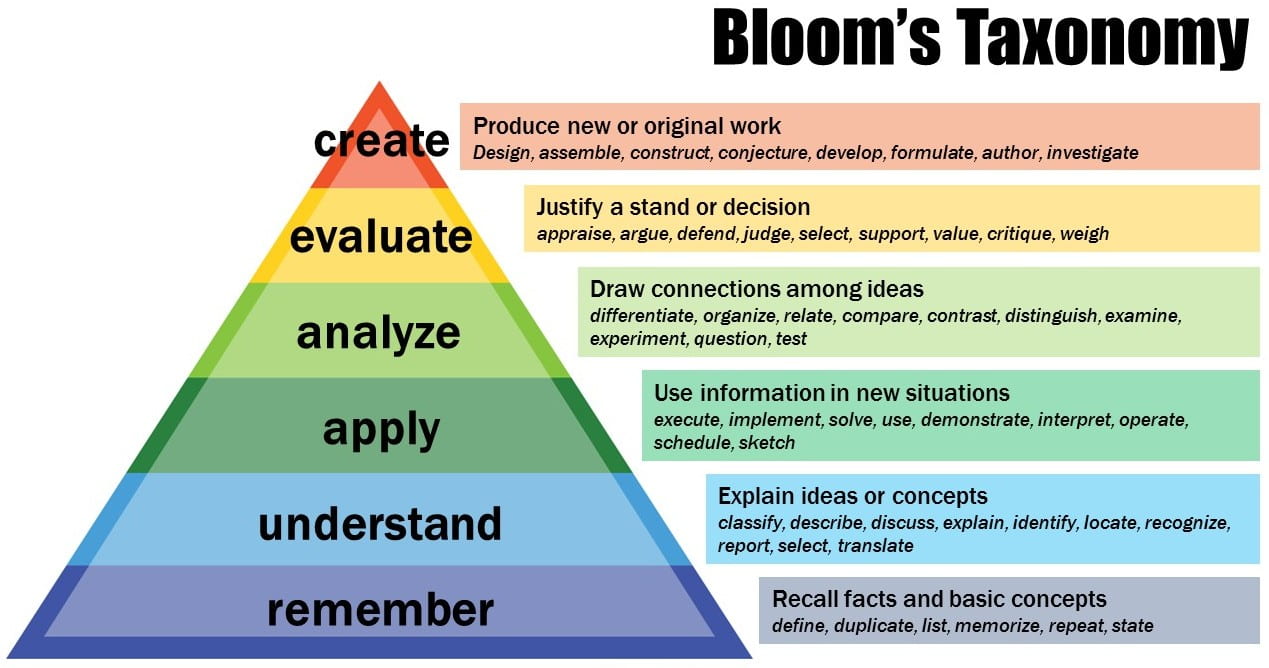
Armstong (2020) Bloom’s Taxonomy. CC – BY – NC
Remember Bloom – By failing to include a creative element – students are being denied opportunities for higher order thinking.
In an effort to address some of these concerns, our library team has a balanced collection of print and digital literature, as well as have recently implemented an information literacy scope and sequence (Leu et al., 2015). Our students have access to a robust physical collection, e-books and audiobooks through a BorrowBox subscription, as well as online databases such as InfoBase, Gale, Britannica, EBSCO, Trove, and World Book.
Anecdotally from my position as a teacher librarian, I can see the students vastly prefer print for recreational reading, but have a strong preference for digital resources for informational purposes. I regularly see many teachers include digital texts into their teaching practice through reading and viewing of e-books, online databases and web based texts. Through our information literacy program, we are endeavouring to teach digital literacy skills, such as, how to locate, evaluate and synthesise information, as well as problem solving in both online and offline scenarios (Leu et al., 2015, p. 140).
Digital literature has transformed society, the definition of literacy and the landscape of pedagogical practice. Time will only tell if our scope and sequence improve digital literacies and competencies in both the faculty and the students… stay tuned for further updates.
Jeon, H. (2012). A comparison of the influence of electronic books and paper books on reading comprehension, eye fatigue, and perception. The Electronic Library, 30(3), 390-408. doi: 10.1108/02640471211241663
Leu, D.J, Forzani, E.,Timbrell, N., & Maykel., C. (2015) . Seeing the forest, not the trees: Essential technologies for literacy in primary grade and upper elementarty grade classroom. Reading Teacher 69: (2), p.139-145. Retrieved from https://eric.ed.gov/?id=EJ1073399.
Mantei, J., Kipscombe, K., & Kervin, L. (2018). Literature in a digital environment (Ch. 13). In L. McDonald (Ed.), A literature companion for teachers. Marrickville, NSW: Primary English Teaching Association Australia (PETAA).
Sargeant, B. (2015). What is an ebook? what is a book app? And why should we care? An analysis of contemporary picture books. Children’s Literature in education, 46, p.454-466. doi: 10.1007/s10583-015-9243
Walsh, M. (2013). Literature in a digital environment (Ch. 13). In L. McDonald (Ed.), A literature companion for teachers. Marrickville, NSW: Primary English Teaching Association Australia (PETAA).
So far I have covered ways in which emerging technologies such as AR can be incorporated into the classroom. This next section is about this technology can be used in school libraries as part of resource management, pedagogical practices and collaborative learning.
ROLE OF THE LIBRARY
School libraries and teacher librarians play a pivotal role in technology access. School libraries have long been known for providing equitable access for information (ALIA, 2014). The digital revolution has changed the primary purpose of libraries from information repositories to being gateways to knowledge. This is because a library collection is no longer limited to print texts but now extends to including ebooks, digital resources,online databases and emerging technologies. Consequently, by extending this access to emerging technologies like AR and VR, school libraries are building the value of their resources and concurrently, reducing the impact of the digital divide on their students (DIIS, 2016). There are several ways in which a library can introduce emerging technologies such as AR to their patrons. These include:
AR EMBEDDED TEXTS – These resources are also the most cost efficient method of introducing AR technology to students, as it enables them to experience the technology but without the associated costs of setting up hardware and software (Brigham, 2017; Foote, 2018). Magana, Serrano & Rebello (2018, p. 526) cite clearly there is an increased student understanding when multimodal resources such as AR embedded information texts are used when compared to traditional texts. The reason why AR technology has increased efficacy in informational resources is that haptic feedback is non verbal and students focus on that as the primary source of information and the text provides the support (Magana, Serrano & Rebello, 2018). This method is currently in place in most schools and academic libraries and some libraries offer a smart device loan scheme as well to assist with AR resources for offsite learning.
MAKERSPACES – Makerspaces convert students from users of content to creators of knowledge as they allow students to pursue individual projects in and out of class time, as well as facilitate independent and cross disciplinary learning (Slatter & Howard, 2013). Many libraries have designated makerspace areas to facilitate creativity and critical learning and free play. Pope (2018a) points out that free play should be encouraged as it allows users of all ages to learn through experimentation, even if the original point was educational or recreational in purpose. These areas also allow teachers to experiment with new technology for their own personal benefit or to embed into their teaching practice (Slatter & Howard, 2013).
AR INSTALLATIONS – An extension of makerspaces are AR installations. These areas, known as sandbox programming, are permanently devoted to experimentation, exploration and demonstrations of AR/VR technology (Townsdin & Whitmer, 2017). Some examples of AR installations are TinkerLamp and zSpace.TinkerLamp was the forerunner of AR technology and required a screen, a projector, experimentation board and an interferometer (Furio et al., 2017, p.3). Whereas the more modern zSpace consists of a computer, stylus and specialised glasses (Foote, 2018). Foote (2018) correctly points out that it is not cost effective to implement AR technology into every classroom, and that AR elements are best served through shared spaces such as the library. But even then, these installations are not common in schools as Merge cubes, as they are very expensive and the latter is cheaper and more flexible for group use (Pope, 2018a).
LIBRARY OUTREACH AND MARKETING – Library tours, displays and other promotional programs have an immense capability for AR. AR embedded posters and displays are an innovative method to engage students, and can convey useful information about seasonal events, special collection, library skills and services (Townsdin & Whitmer, 2017). It is also possible to gamify library maps with embedded GPS tagging as a method of incentivising students to explore the various library spaces and facilities (Balci, 2017; Townsdin & Whitmer, 2017). Besides being innovative, the use of mobile applications facilitates the collection of user data. Library staff are able to analyse this data and use it to appraise student engagement, as well as illustrate the library’s effectiveness in adapting to advancements in technology (Townsdin & Whitmer, 2017).
INFORMATION SEEKING BEHAVIOUR – There is scope for libraries to implement AR as part of their learning management system, the delivery of information and the provision of data (Zak, 2014). The modern student has a preference for technology based practices and this extends to information seeking (Wolz, 2019). Zak (2014) suggests that by using emerging technologies as part of information seeking, libraries are speaking the same language as their clientele.
Furio, D., Fleck, S., Bousquet, B., Guillet, JP., Canioni, L., & Hachet, M. (2017). HOBIT: Hybrid optical bench for innovative teaching. CHI’17 – Proceedings of the 2017 CHI Conference on Human Factors in Computing Systems. Retrieved fromhttps://hal.inria.fr/hal-01455510/file/HOBIT_CHI2017_authors.pdf
Magana, A., Serrano, M., & Rebello, N. (2018). A sequenced multimodal learning approach to support students’ development of conceptual learning. Journal of Computer Assisted Learning, 35 (4). DOI https://doi-org.ezproxy.csu.edu.au/10.1111/jcal.12356
Pope, H. (2018a). Virtual and augmented reality in libraries. Library Technology Reports – American Library Association, (54)6.
Slatter, D., & Howard, D. (2013). A place ot make, hack and learn: makerspaces in Australian public libraries. Journal of the Australian Library and Information Association, 62(4), pp.272-284. Retrieved from https://eprints.qut.edu.au/73071/1/73071.pdf
Townsdin, S., & Whitmer, W. (2017). Technology. Public Services Quarterly. 13. Pp190-199. DOI: 10.1080/15228959.2017.1338541
Zak, E. (2014). Do you believe in magic? Exploring the conceptualisation of augmented reality and its implication for the user in the field of library and information science. Information Technology and Libraries.






















 Learning through the Library