Reflecting on the story of the shelves.

At the end of each school day, I wander through the library and notice the gaps and blank spaces.  Why? It is because the shelves never lie about the books that are loved the most.  These are the ones that stack tall on our return trolleys.  To be fair, they are also the ones that leave with another student almost instantly.  They are the ones with worn spines, grubby covers and suspicious stains on the pages.  Yet all of them tell me a story.  They all tell me something about our school community.

Non‑fiction loans follow the interests of the boys themselves, whether it be cars, music, military equipment, or funnily enough… anatomy. These choices show me that curiosity is not confined to the classroom but stretches into the interests, curiousities, passions, and fascinations that shape their lives outside the school grounds.

The sports shelves mimic the seasons almost perfectly. Footy fades as winter ends, and suddenly, cricket biographies and fiction surge forward, especially anything tied to the upcoming Ashes. It is as if the rhythm of the sporting calendar beats through the borrowing habits of our students, reflecting not just their interests but the pulse of the wider culture around them.

The novels tell another kind of story. Fantasy sagas rarely rest long before they are whisked away again, dragons, quests and magical lands offering both escape and courage. Contemporary stories about identity and belonging circulate steadily too, often returned with dog‑eared pages. Those books feel like companions, helping students navigate questions of who they are and where they fit.

Certain authors move faster than most. This year we have seen a sharp update in request for Orwell’s works that seemed to be borrowed by students who want to think critically, because his sharp observations on society still resonating decades later. King’s novels vanish quickly from the shelves too, his blend of horror and humanity appealing to readers who crave both thrills and reflection. Griffiths brings laughter and lightness, his quirky humour and imaginative plots offering relief from the seriousness of school life. Kinney’s books are snapped up by younger readers, his diary‑style storytelling capturing the awkwardness and comedy of growing up. Walliams adds another layer of fun, his playful characters and outrageous scenarios proving irresistible to students who want a quick, joyful read. Bancks, with his Australian voice and relatable themes, connects directly to the local experience, showing students their own world reflected back at them. Heath’s stories move quickly too, often chosen by readers who enjoy adventure and fast‑paced plots. And then there is Rowling. Her magical universe remains evergreen, with titles borrowed again and again by students who want to lose themselves in a world of spells and friendship. Dashner’s dystopian tales race through the library as well, his fast‑moving plots and high stakes gripping readers who love suspense.

And then there are the comfort reads. During exam season, familiar series, lighthearted tales and joke books fly off the shelves, as if students are reaching for something steady and reassuring when stress runs high. When headlines outside the school walls grow louder, books on social issues suddenly become popular, showing me how our community is engaging with the wider world.

Over time, these borrowing trends become a mirror. They reflect curiosity, resilience, joy and sometimes vulnerability. They remind me that the library is not just a place to find information, it is a living record of what matters most to our students at any given moment. Each book borrowed is a quiet signal, a way of saying, this is what I need right now.

Together, these authors form a chorus of voices that shape the identity of our school community. Orwell challenges us to question, King dares us to feel fear and empathy, Griffiths and Kinney make us laugh, Walliams and Heath keep us entertained, Bancks grounds us in our own backyard, Rowling invites us into magic, and Dashner pushes us to imagine futures both thrilling and uncertain. Their collective presence on our shelves is more than entertainment, it is a reflection of the many ways our students seek to learn, to grow and to belong.

And as the year turns, the shelves whisper back, carrying the heartbeat of our community in every borrowed book.

To go digital or hardcopy, that is the question …

I’ve just returned from a wedding overseas. It was a beautiful celebration, and between the flights and lounges, I had time to catch up on some reading. Normally, I’d pack a couple of paperbacks, but this time, I decided to travel light and for the first time,  go digital only.

This was not a lightly made decision! Before I left, I logged into eWheelers through my school account and downloaded a few titles I’d been meaning to read and others for my children. I also used BorrowBox via my Brisbane City Council library membership. I accessed both platforms on my phone, which made it incredibly easy to dip in and out of books whenever I had a spare moment. One of the great things about eWheelers is that it works across multiple devices, so whether you’re on a tablet, laptop, or mobile, your library is always within reach. It can also be read offline, as can books on Borrowbox which makes it perfect for when WiFi is not available.

Pool side reads

Ebooks are brilliant for travel. They offer the flexibility to read whatever you fancy without the bulk. It’s quick, convenient, and surprisingly satisfying to flick through pages with just a tap. For students, ebooks and or audiobooks, are becoming an increasingly valuable library resource. Many prefer them because they’re easy to access, allow for tech engagement, and offer features that physical books simply can’t.

Digital reading platforms often include options to change font sizes, switch to dyslexia-friendly fonts, or even translate texts into different languages. This makes eBooks especially helpful for students with vision impairments, learning differences, or those studying in multilingual environments. It’s a more inclusive way to read, and it’s reshaping how libraries support diverse learning needs.

And let’s be honest, eBooks also preserve a bit of anonymity. I’ll admit, I indulged in a cheeky bit of romantasy and adult fiction on the plane, the kind of titles that might raise eyebrows if I were carrying the physical copy around in public or completely mortify my children next to me! For young people, this privacy is gold. It allows them to explore genres they might be embarrassed to share with peers, especially when it comes to romance or identity-focused narratives.

This ties into a broader issue: many teens feel pressure to conform to social norms, especially around gender expectations. Ebooks offer teens a quiet refuge—a way to read without the gaze of others. For students navigating the delicate terrain of romance, identity, or emotionally expressive stories, this privacy matters. These genres, often unfairly stigmatised among peers, can feel too vulnerable to carry in plain sight. Smith and Wilhelm (2002) observed that boys, in particular, are more inclined to engage with emotionally rich narratives when the fear of judgement is lifted. In this way, digital reading becomes more than convenience, it becomes a gentle permission to explore, reflect, and connect with stories that might otherwise remain untouched.

eBooks also allow for customisation, changing fonts, adjusting layouts, and even switching languages, which makes reading more accessible and less intimidating for students with dyslexia, vision impairments, or those learning English as an additional language. For teens navigating identity, peer pressure, and personal growth, digital reading can be a quiet revolution, one page at a time.

That said, I do miss the tactile joy of a real book. The smell of the pages, the feel of the spine, and the quiet ritual of turning each leaf offer a kind of bibliotherapy that digital formats can’t replicate. There’s something grounding about physically interacting with a book that screens just don’t deliver. This feeling is evident from what the research tells us and what my experience has been as a teacher librarian in high schools because teenagers still express a strong preference for physical books despite the popularity of digital reading platforms. This inclination is often tied to the sensory and emotional experience that printed books provide such as the feel of the pages, the smell of the paper, and the visual satisfaction of seeing progress through a tangible object. Young readers, in particular, report screen fatigue and eye strain from prolonged digital use, making physical books a welcome reprieve from their tech-saturated lives (World Economic Forum, 2023). Additionally, cultural trends like #BookTok have reignited enthusiasm for printed books, with teens embracing the aesthetic and social aspects of owning and sharing physical copies (Literary Hub, 2023). Research also shows that teens retain information better and concentrate more effectively when reading print, especially in academic settings (ResearchGate, 2024). These findings suggest that while ebooks offer convenience and accessibility, physical books continue to hold a meaningful place in teen reading habits.

Still, for this trip, convenience won. And who knows, maybe next time I’ll sneak a paperback in for old time’s sake.

references

Australia Reads. (2024). 7 ways to support Australian teens in reading for pleasure. https://australiareads.org.au/news/7-ways-support-teen-reading

Literary Hub. (2023, March 14). In a surprise to no one, Gen Z prefers printed books over e-books. https://lithub.com/in-a-surprise-to-no-one-gen-z-prefers-printed-books-over-e-books/

ResearchGate. (2024). A comparative analysis of the student preferences for digital and physical books in library usage. https://www.researchgate.net/publication/385616029_A_Comparative_Analysis_of_the_Student_Preferences_for_Digital_and_Physical_Books_in_Library_Usage

Queensland Department of Education. (2024). Impact of eBooks: Exploring student health, learning and implications. https://education.qld.gov.au/about/reporting-data-research/research/Documents/impact-ebooks-report.pdf

Smith, M. W., & Wilhelm, J. D. (2002). Reading don’t fix no Chevys: Literacy in the lives of young men. Heinemann.

University of Edinburgh. (2024). Supporting teenagers’ reading enjoyment and engagement: A guide for teachers and librarians. https://blogs.ed.ac.uk/literacylab

World Economic Forum. (2023, March 13). Gen Zers are bookworms but say they’re shunning e-books because of eye strain, digital detoxing and their love for libraries. https://www.weforum.org/stories/2023/03/gen-zers-are-bookworms-but-say-theyre-shunning-e-books-because-of-eye-strain-digital-detoxing-and-their-love-for-libraries

From Bottle Caps to Ballots: How school libraries can become kingdoms of connection and wellbeing.

Eighteen months ago, a group of misfit boys were introduced to one another in what could only be described as a playdate orchestrated by fate, and a well-meaning informational professional. At first glance, these four boys had little in common. Yet over time, something extraordinary unfolded. They began meeting regularly in the library, and from those gatherings emerged a fully-fledged micronation.

The couch that sparked a nation.  As you can see, I have a crown made from paper printed with the Constitution of this micronation.

They appointed ministers: an Archduke, a President, a Minister for Finance who oversees a coffee jar filled with bottle caps, and a Secretary of Defence whose primary qualification is being the tallest. Together, these young men drafted a constitution, designed coinage (featuring my profile, no less), and issued passports and other official documentation. Eventually, I was graciously crowned their Head of State—Her Gracious Imperial Majesty, Empress Trish.

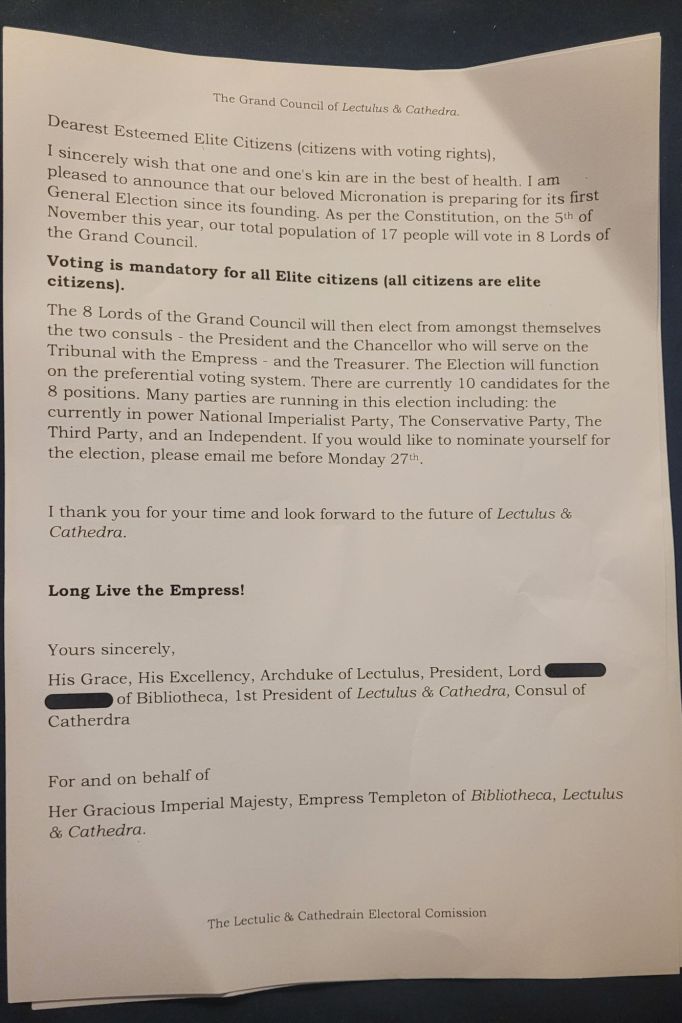
Letter of appeal to voters for the micronation of Lectulus and Cathedra.

Today, this quirky collective has grown to 17 members and is preparing for its first general election on 5 November. What began as a casual connection has evolved into a vibrant community, complete with governance, creativity, and camaraderie—all nurtured within the walls of a school library.

Libraries as Hubs of Wellbeing and Learning

While this story may sound whimsical, it highlights a deeper truth: school libraries are far more than repositories of books. They are sanctuaries of connection, creativity, and wellbeing.

Student wellbeing is increasingly recognised as a priority in Australian schools. Research indicates that poor wellbeing and associated mental health concerns affect between 10–20% of young people (Merga, 2020). In response, the Australian Government launched the “National School Wellbeing Framework” in 2018 to support schools in fostering positive relationships and wellbeing within safe, inclusive, and connected learning communities (Education Council, 2018). Although the framework does not explicitly mention libraries, many of its initiatives can be effectively implemented through a library lens.

School libraries have long served as safe havens for students, offering refuge for a variety of reasons. Merga (2021) notes that contemporary school libraries provide students with a peaceful space to recharge and relax. Similarly, Willis, Hughes, and Bland (2019) affirm that libraries contribute to both physical and emotional wellbeing by enabling vital social connections to flourish.

Merga’s research validates what many educators have long known: school libraries are places where students feel they belong, feel safe, and feel welcome. Some seek sanctuary and solitude; others come to connect and unwind. As school library professionals, our role is to create spaces where young people continue to feel secure—whether they are reading a book, playing a board game or Minecraft, or, as my students do, establishing a micronation on the couch outside my office.

References

Education Council. (2018). National school wellbeing framework. https://www.teachermagazine.com/au_en/articles/research-news-the-changing-landscape-of-school-libraries

Merga, M. (2020). How can school libraries support student wellbeing? Evidence and implications for further research. Journal of Library Administration, 60(6), 660–673. https://doi.org/10.1080/01930826.2020.1773718

Merga, M. K. (2021). Libraries as wellbeing supportive spaces in contemporary schools. Journal of Library Administration, 61(6), 659–675. https://doi.org/10.1080/01930826.2021.1947056

Willis, J., Hughes, H., & Bland, D. (2019). Students reimagining school libraries as spaces of learning and wellbeing. In J. Franz, H. Hughes, & J. Willis (Eds.), School spaces for student wellbeing and learning: Insights from research and practice (pp. 121–137). Springer. https://eprints.qut.edu.au/126979/

Its more than just a place for books. Its a place of safety.


eslfuntaiwan / Pixabay

Lunchtime in`my school library is always an interesting event.  We have 1500 students from years 7-12 on a single co-educational campus.  On some days, we would easily see 500-600 bodies wander through our doors.  Most lunchtimes we average about 120-150 students per day but on busy days, the numbers peak at around 220 during the lunch rush.  We obviously host various members of the whole school community but the main people that find joy in the library include, our senior students; lunchtime minecrafters, gamers and social misfits.  

Our library is a haven for many of our students.  They seem to find refuge within our walls. Our biggest clientele are our seniors; who have the freedom to wander to the local shops, cafes and parklands but somehow prefer to be sprawled across the beanbags retellíng fart jokes (or worse) or playing Uno or Chess in their study area.  I’d like to say they were coming as they love my company, but I’d be lying.  What they do love is our temperature controlled climate, our beanbag zone and free wifi.  Whilst some of our seniors do study in their frees/study lines; most of them tend to play on their phones and or watch videos on their devices.  We used to rouse on them… reminding them that study lines were for study. But then we realised that the reasons our seniors visited us was that they felt safe and happy here; and not because they wanted to use the resources.  For these students – the library was a source of wellbeing.

AdultsOnlyMinecraft / Pixabay

Another demographic that truly enjoys the library are our little minecrafters.  These little year 7 & 8 boys (mostly, with the odd girl) race to the library before school, recess and lunchtime EVERYDAY to play minecraft.  They get so excited when they line up outside our cyber room. I tend to walk VERRRYYY slowly up to them drawling my Hellos and social chatter.  Their impatience is palpable. You can see their little shoulders rising and hands itching to log on.   So I stop, ask them about their day, query the state of the weather or some small talk; only to have one of them finally ask;


“Miss!  Can you please just open the door and then talk?”.  


“OF COURSE boys!! Silly me… just jabbering on like a turkey on thanksgiving.  Have… “


“Miss!! The door!!”


Then I open the door and in whoooooooooooooooosh go all the boys (and odd girl).  They speedily log on and start to build stuff and kill each other (online only) in Minecraft  world.  The happiness in that room is patently visible and a better beacon of hope than any Patronus that Harry could ever make.  


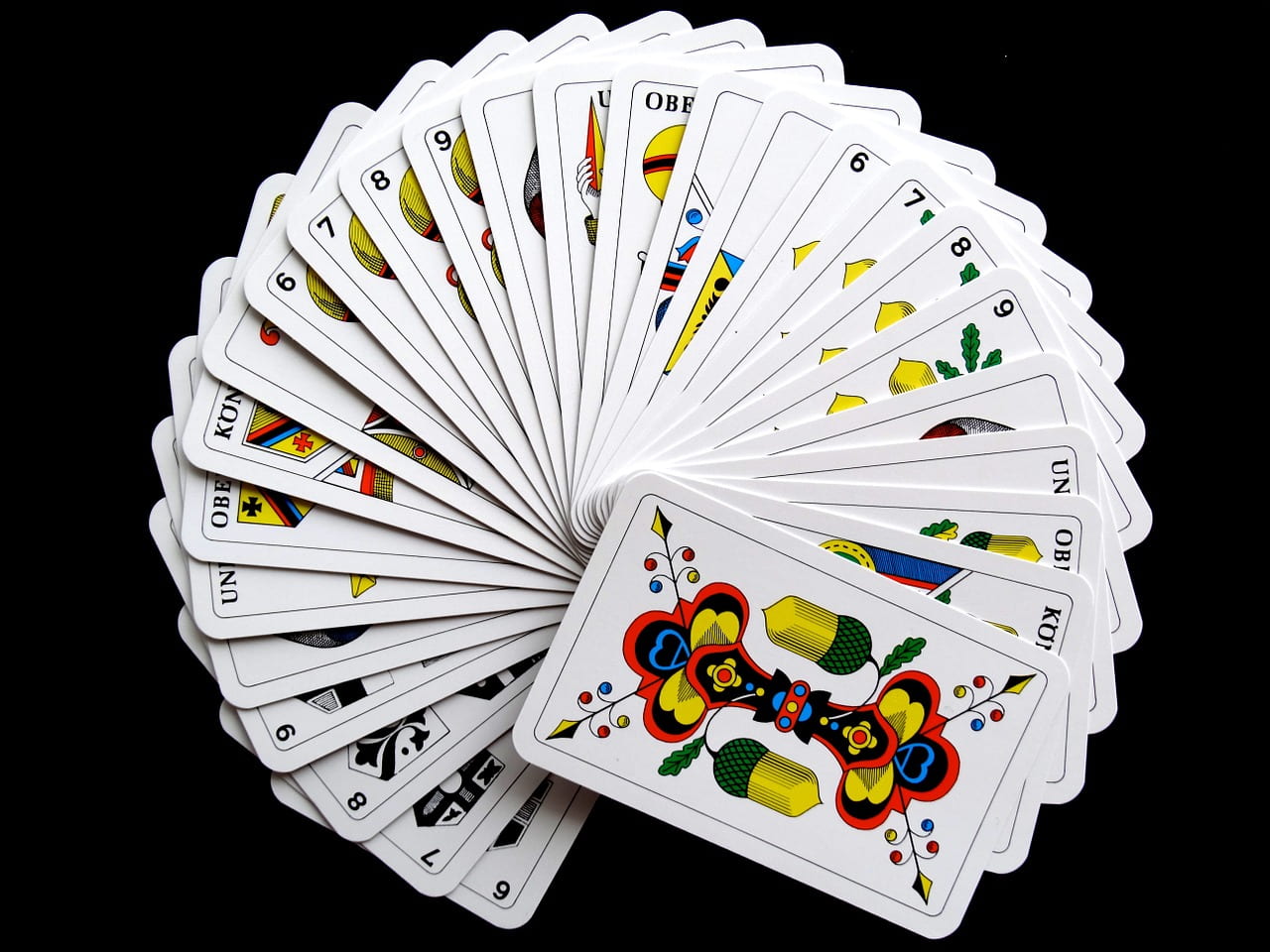
I have a very astute department head that saw a need for a wellbeing space within our school and set up a section of the library to fill the emotional buckets of our students.  We currently own about 10 different types of board games, 10 packs of uno cards and another 10 packs of playing cards. Well we start every semester with those numbers…. They do get lost, misplaced… go on walkabout, etc … BUT, our games are so popular that they fly off the shelves as the kids bolt in at the start of lunch.  The seniors tend to take most or all the UNO cards, till I discovered some year 8 girls were hiding sets under a shelving unit between lunch breaks to get ahead.

SNAP!     422737 / Pixabay


SHHEESSH that was sneaky… admirable.. Yet sneaky… well done girls!  


Our board games range from the classics such as battleship, scrabble and chess to other games like dungeons and dragons, connect 4 and backgammon.  We have now added a puzzle corner (a 5000 piece work in process, that i think may amuse the staff more than the students) and a box of lego for our sensory kids.  

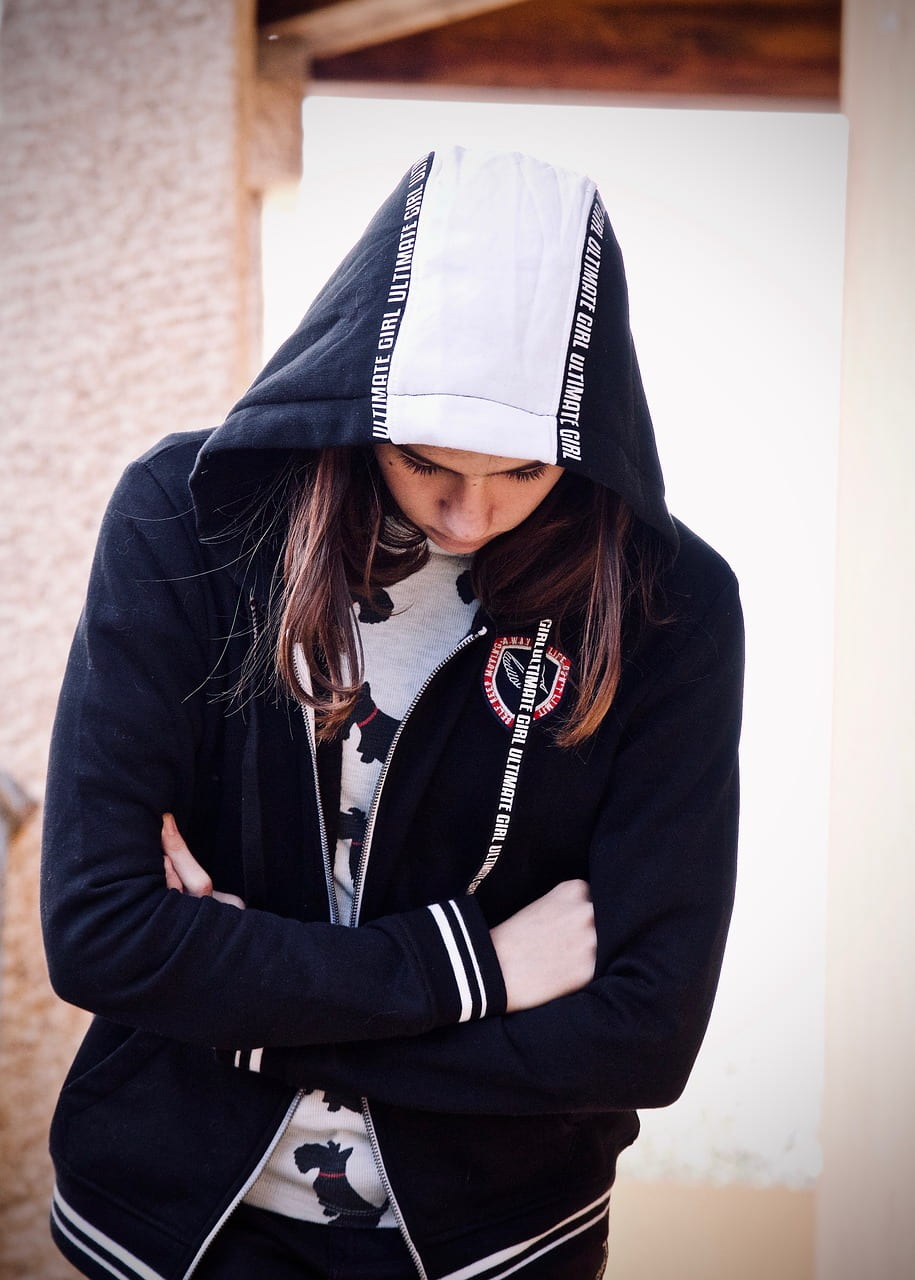
As I sat at my desk last Friday afternoon after school, I watched my usual suspects lounge around the beanbags.  A great sense of protectiveness rose from me about their welfare. I know Tom# is having a rough time at school as he has argued with his mates.  I know James# is exhausted from footy training 3x week and is barely keeping up at school (he naps in the cushions most afternoons and I have to wake him up when I close the library up). I know Alice# is unhappy about having to move interstate next semester; Ethan# is angry that he didn’t get picked for the football team; Sophie# broke up with the boyfriend; Andrew’s# anti depressants are wearing off; and Gina# is not getting along with her mum.  I also know that Steve# drinks too many energy drinks and Miki# has fallen in love with another idiot boyfriend.

sweetlouise / Pixabay

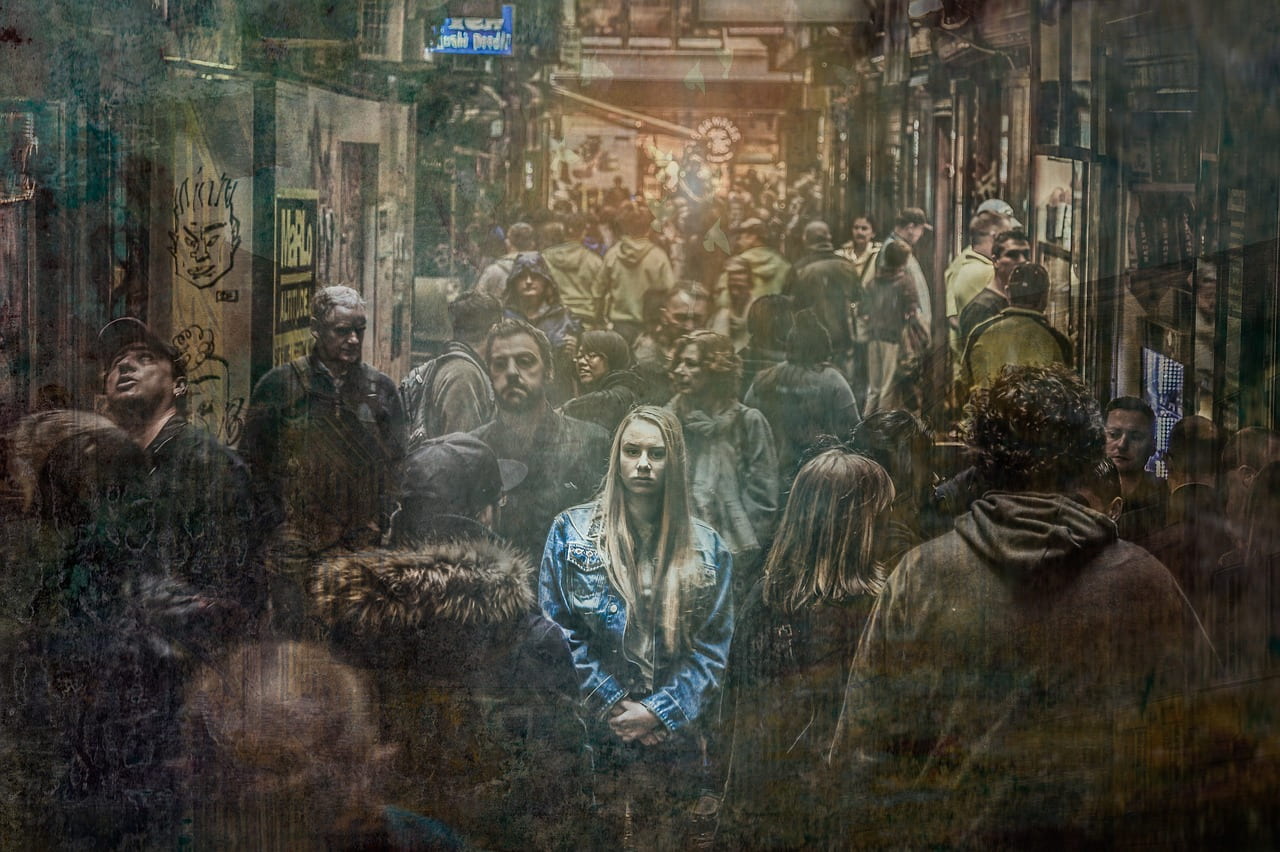
For some of our students, the library staff are the ones that see them the most frequently.  I know with my usual crew, I see them before school, recess, lunch and after school. Then you can add the number of free periods they spend in the library plus the classes they play truant for whilst they spend time within our walls.  This means, that it is highly likely that we are the most frequently seen adults in their life after their parents. And for many of our students who have busy households; I may just be the adult that they see the most often.

Graehawk / Pixabay

Libraries are a place where you can find and use information.  They are also a place of recreation and wellbeing. A school library is a place where students should be able to read, study, learn, recreate and relax.  My department head said that there are four fundamental aspects to being a school teacher librarian. The first is Research – which is understandable as TL are information specialists.  The second is Resources – obviously as libraries have collections. Collaboration is the third pillar. TL need to collaborate with their colleagues to ensure that teaching and learning continues to thrive.  And lastly, Wellbeing. Libraries are a place of wellbeing for students. Besides providing resources for learning, we also need to provide resources to improve student wellbeing. Think of Maslow’s hierarchy of needs…. Unless we address the needs of students to feel like they belong to a community, then we cannot expect them to reach self actualisation.  


So when the little darlings are bumming around in the library telling another ‘fart joke’ that obviously isn’t funny to my middle aged brain, I take a deep breath.   I certainly do not want them to feel like they cannot come back to their safe place. I don’t want to rouse on these kids if they like to chill in the library, sprawled across the beanbags like giant squid. So instead of getting cranky when I hear bad jokes or when they play battleship, I only tell them to quieten down so they don’t disturb others.  The thing is that I only cranky if I can HEAR them play the game.  Afterall, what I cannot see nor hear, I can’t get upset with 😉


#student names have been changed.