
Last chance reads & Literary weeds.
If you’ve ever heard the term “weeding” in the context of school libraries and pictured yourself in gumboots pulling dandelions from the fiction section—don’t worry, you’re not alone. But while it might sound like a gardening chore, weeding in libraries is a vital part of collection development. Think of it as removing the junk so the flowers can stand out—because every great library deserves to blossom.
Weeding, or deselection, is the process of removing outdated, damaged, irrelevant, or unused resources from the collection. It’s not about discarding books for the sake of it; it’s about curating a vibrant, purposeful collection that supports student learning, teacher needs, and curriculum goals. A well-weeded collection is easier to navigate, more appealing to browse, and more likely to be used. It’s the difference between a cluttered storeroom and a well-organised learning hub.
Here in our library, we’re about to begin a weeding process ahead of our fiction stocktake. From a logistical perspective, it gives us a chance to winnow what is not being effectively utilised and what is not supporting the ethos of our library. It also gives us the perfect opportunity to refresh the shelves and make space for stories that truly resonate with our readers. We’ll be using our Collection Development and Management Policy to guide our decisions, focusing on books that are outdated, physically unattractive (yes, those yellowed pages and cracked spines count!), or simply no longer meeting the needs of our school community. If it hasn’t been borrowed in years, doesn’t reflect current values, or makes students wrinkle their noses, it’s probably time to say goodbye.
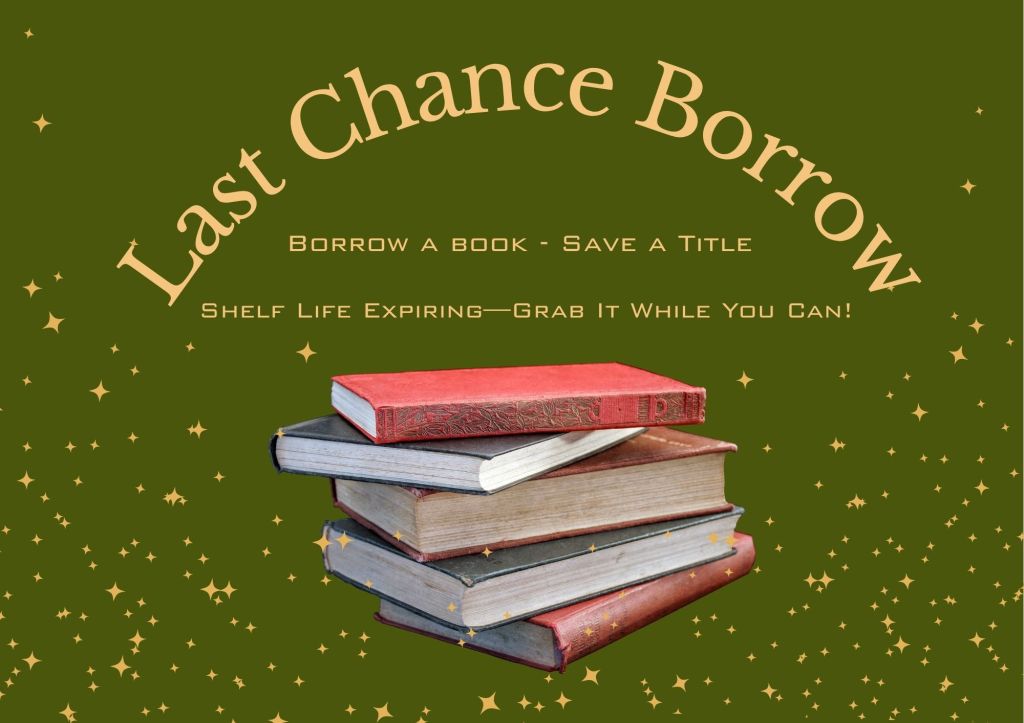
However, I will add that I have an inner Book Dragon and that one is loathe to get rid of books. Therefore, just to make sure, we are going to give these books one last hurrah, we’re setting up a “Last Chance Borrow” display. This is a fun and engaging way to spotlight forgotten titles that might still have a spark of interest left in them. Students and staff will have the chance to browse and borrow these books before they’re officially retired. Who knows—maybe a hidden gem will find a new fan! It’s also a great opportunity to start conversations about what makes a book worth keeping and how our reading tastes evolve over time.
Our process of weeding is made easier by having a very clear policy and process. Our LMS, Oliver, provides us with a list of titles that have not been borrowed in recent times. This list, combined with our policy, helps us set clear parameters and ensures that our choices are thoughtful and consistent. We’re not just tossing out books—we’re making room for new voices, fresh ideas, and engaging reads that support literacy and learning. Weeding also helps us maintain a collection that’s inclusive, relevant, and aligned with our school’s educational goals.
Of course, weeding can be emotional. Saying goodbye to old favourites isn’t easy. But remember: a library isn’t a museum. It’s a living, breathing space for discovery and growth. And just like a garden, it needs regular tending. So grab your metaphorical secateurs, consult your policy, and let those literary flowers bloom. Your students—and your shelves—will thank you.
 Learning through the Library