The Quiet Work of Belonging

I went to my old high school’s 40-year celebration two days ago. It was one of those evenings steeped in memory. Faces reappeared from another version of my life and conversations slipped easily back into old rhythms. I found myself reconnecting with past teachers, friends and principals, each interaction quietly reconstructing the person who I had once been.

But the moment that stayed with me, the one that carried the most weight, was seeing Mrs P, the Library Technician. I had not seen her since my last day of high school, more than twenty-five years ago. And yet, I recognised her instantly.

There was no hesitation, no uncertainty. It was as if no time had passed at all.

I walked up to her, a little tentatively, and asked if she had been the library technician back in those days. She smiled, said yes, and then paused, really looking at me. There was a flicker of recognition, the slow realisation that this was not just a past student, but someone connected to those shared years in the library.

In that moment, I felt again what I had felt all those years ago. Seen. Remembered. Held, in some quiet way, in the memory of a place that had once held me so carefully. Mrs P, along with Mrs H and our teacher librarian, Mr J, absolutely saved me in high school.

I was an awkward teenager, navigating the usual turbulence of adolescence, but also something more complex. I was trying to make sense of my identity as a migrant. I did not feel like I belonged in Brisbane. I felt out of place, uncertain of the invisible rules that seemed to come so naturally to everyone else. It was a quiet kind of dislocation, one that I carried with me each day through classrooms, corridors and playgrounds.

Except when I was in the library.

The library became my constant. I went there every day, sometimes four times a day. Before school, during breaks, at lunchtime, and after school. On sports days and swimming carnivals, when the noise and exposure felt overwhelming, I would find my way there again. It was not just a place I visited. It was a place I returned to, over and over, because I knew what waited for me.

There was space. There was calm. There was permission to exist without explanation.

What made that space transformative, however, was not simply the books or the quiet. It was the people who held it.

Mrs P. Mrs H. Mr J.

They welcomed me without making it visible. There was no intervention, no spotlight, no need to name what I was struggling to articulate myself. Instead, there were small, consistent acts of care. A smile. A brief conversation. An acceptance of my presence, no matter how often I appeared. They never made me feel like I was there too much. If anything, they made it clear that I was exactly where I was meant to be.

It was through these quiet acts that something began to shift.

I started to feel that I belonged.

Not because I had changed dramatically or suddenly fit the mould of what I thought I should be, but because the library allowed me to exist outside of that mould altogether. It was a space where difference did not need to be negotiated or justified. It was simply accepted.

On my last day of Year 12, Mr J and Mrs P handed me a pile of books. They told me, with a kind of gentle humour, that I was the only student who had borrowed and reborrowed those titles over the past five years. They thought I should take them. That they may as well belong to me.

At the time, I accepted them with gratitude. In hindsight, I understand that what they were giving me was something much larger than a stack of well worn pages. It was an acknowledgement of time, of presence, of connection. It was a way of saying that I had been seen.

Now, I find myself in their position.

As a teacher librarian, I think often about what it means to create a space like that. It is easy to speak about libraries in terms of collections, resources and programming. These are important, necessary components of our work. But they are not, in themselves, what makes a library matter.

What matters is the atmosphere we cultivate. The decisions we make, often unconsciously, about who feels welcome and who does not. The way we respond to the student who lingers a little too long, who comes back again and again, who seems to need the space in a way that goes beyond borrowing a book.

There are always students like I was.

They may not announce themselves. They may not ask for help in ways that are easily recognised. But they are there, at the edges, watching and waiting to see if a space will hold them.

The library can be that space.

Not through grand initiatives, but through consistency. Through noticing. Through the quiet, deliberate choice to welcome a student, not once, but every time they walk through the door.

Increasingly, I also see this through the experience of my own children. I watch them move through their school libraries with a sense of ease that feels both reassuring and deeply familiar. They find corners to read, people to talk to, spaces where they can simply be. There is a confidence in the way they inhabit those spaces that tells me they feel they belong.

It is a subtle thing, belonging. It is rarely declared outright. Instead, it accumulates in moments, in gestures, in the quiet understanding that a place will receive you without question.

Libraries hold the capacity to offer this in a way that few other spaces in a school can.

They are places where students can arrive without needing to explain themselves. Places where identity can be explored, shaped or simply held. Places where someone might come four times a day and never be made to feel like they are too much.

At their best, libraries are not defined by what they contain, but by what they allow.

They allow stillness. They allow curiosity. They allow refuge.

And, for some of us, they allow the slow and steady realisation that we belong.

Identity, perception and the spaces in between

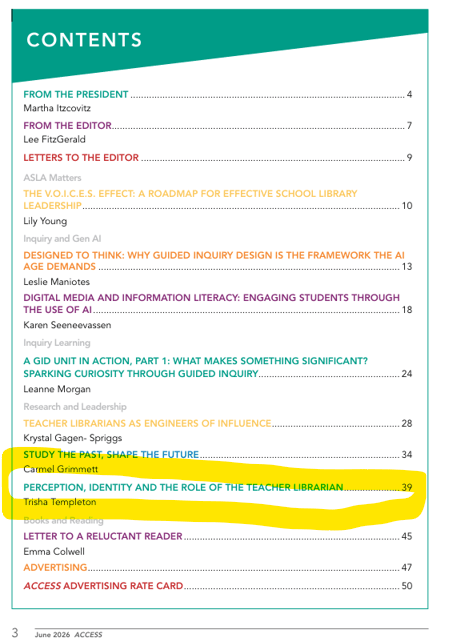
Publishing my recent article in ACCESS: The Journal of the Australian School Library Association prompted a level of reflection that extended beyond professional practice. While the article itself explores how perception shapes the identity and positioning of teacher librarians within schools, the process of writing it brought into sharper focus how deeply questions of identity are also personal.

Social identity theory provided a useful framework within the article, particularly in understanding how individuals construct a sense of self through group membership, shared norms and the value ascribed to those groups by others. However, as I engaged more deeply with the theory, it became increasingly difficult to separate the professional from the personal.

As a migrant, identity has never been entirely fixed or internally defined. It has always been shaped in relation to context, to perception, and to an ongoing negotiation of belonging. There is a heightened awareness of how one is read by others, and how those readings can influence not only external opportunities but also internal confidence and voice. In this sense, the central premise of social identity theory is not abstract. It is lived.

This experience resonated strongly with the arguments explored in my article.

The role of the teacher librarian similarly exists within a space shaped by perception rather than fully understood practice. Despite the complexity of the work, including explicit teaching of information literacy, inquiry skills and critical evaluation, the role is often reduced to narrow or outdated interpretations. As social identity theory suggests, this devaluation is not confined to how the role is viewed externally. It has the potential to influence how the role is inhabited, enacted and, at times, limited.

What became evident through both the research and my own reflection is the parallel between these experiences. In both contexts, identity exists in the tension between self definition and external perception. In both cases, there is a continual negotiation between adapting to expectations and asserting a more accurate representation of who we are and what we contribute. Understanding this has shifted the way I think about professional identity. The question is no longer simply how teacher librarians are perceived, but how we actively position ourselves within that perception. In my ACCESS article, this is explored through the idea of anchoring identity in the “teacher” dimension of the role, not as a rejection of librarianship, but as a deliberate affirmation of pedagogical expertise and educational contribution.

Seen through a social identity lens, this becomes more than professional preference. It is a form of identity construction that resists marginalisation and repositions the role within core learning conversations. My own experience as a migrant has reinforced that identity is rarely passively received. It is shaped, negotiated and, at times, deliberately claimed. The same can be said for teacher librarianship. The reflections that sit alongside my published work suggest that the challenge is not only to articulate the value of the role, but to inhabit it with clarity and confidence. In doing so, the distance between perception and reality begins, slowly, to close.

From Words to Understanding: Five Years of Vocabulary, Inquiry and Impact

20260515_1143312240685460585427485

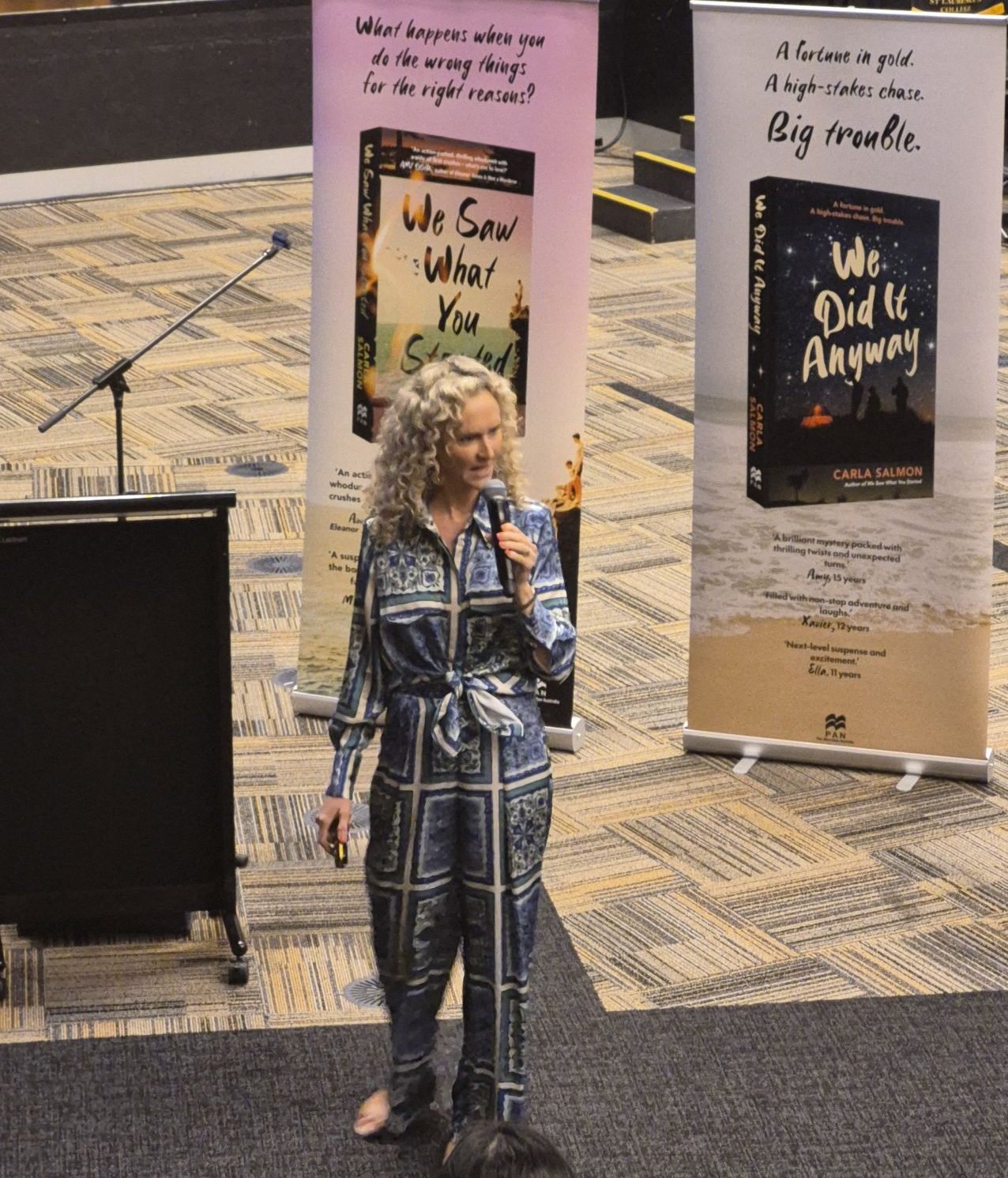
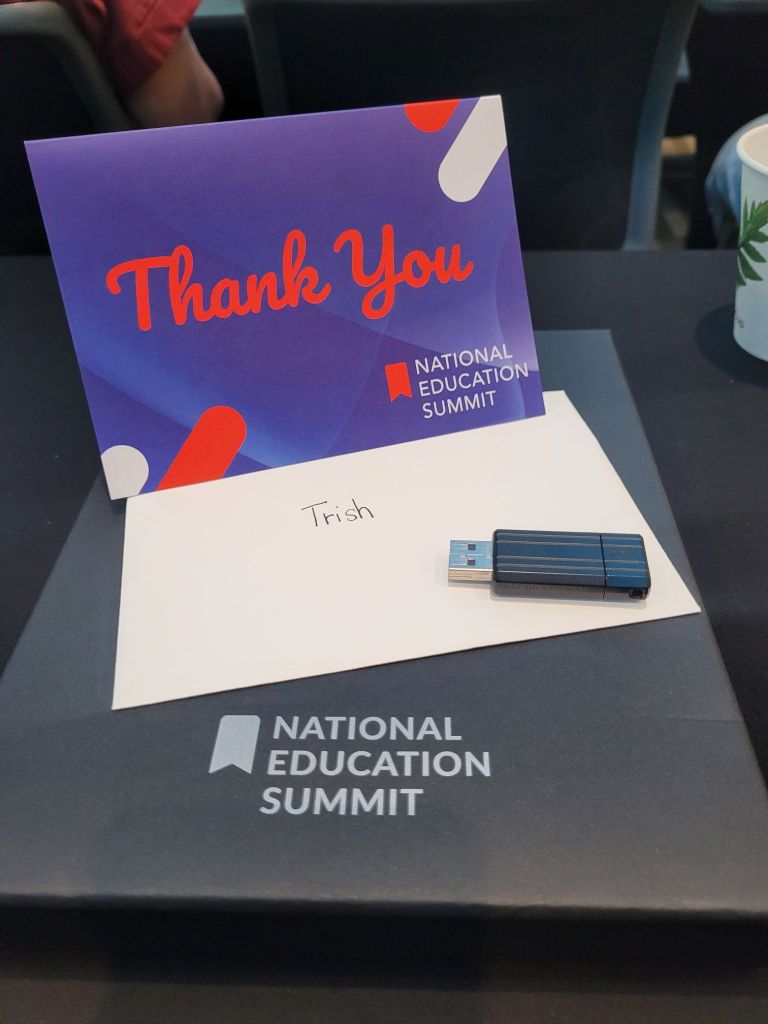
Last week I had the privilege of presenting at the National Education Summit here in Brisbane, sharing a body of work that has evolved over the past five years, three schools and two states. What began in 2021 as a response to disrupted learning during Covid lockdowns has since developed into a sustained, evidence informed approach to vocabulary instruction, grounded in collaboration, inquiry and the role of the teacher librarian.

In the early stages of this work, my fellow teacher librarians and I were grappling with a shared challenge. Students were returning to classrooms with uneven access to the curriculum, and many lacked the language needed to engage meaningfully with content. We began asking a simple but powerful question. How do we support students to connect with learning at their point of access? The answer, we found, lay in vocabulary.

Vocabulary is more than word knowledge. It is the foundation for deeper thinking, richer comprehension and academic success across all learning areas. Drawing on Vygotsky’s understanding of learning as a social process, this work has always prioritised scaffolded, collaborative learning experiences where language is explicitly taught, modelled and applied. Halliday’s theory of language as a social semiotic further reinforced the importance of teaching students how language works within different disciplines, enabling them to access and produce increasingly complex texts.

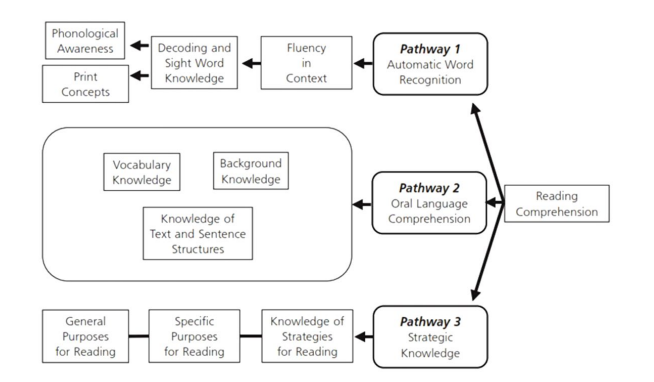
Central to my approach is the belief that vocabulary must be taught explicitly before students are asked to engage in close reading or complex content. This thinking is informed by the cognitive reading model of Stahl & McKenna, as well as Scarborough’s Reading Rope, both of which highlight the interdependence of language comprehension and word knowledge in skilled reading. When students do not understand key terms, comprehension falters. When they do, learning accelerates.

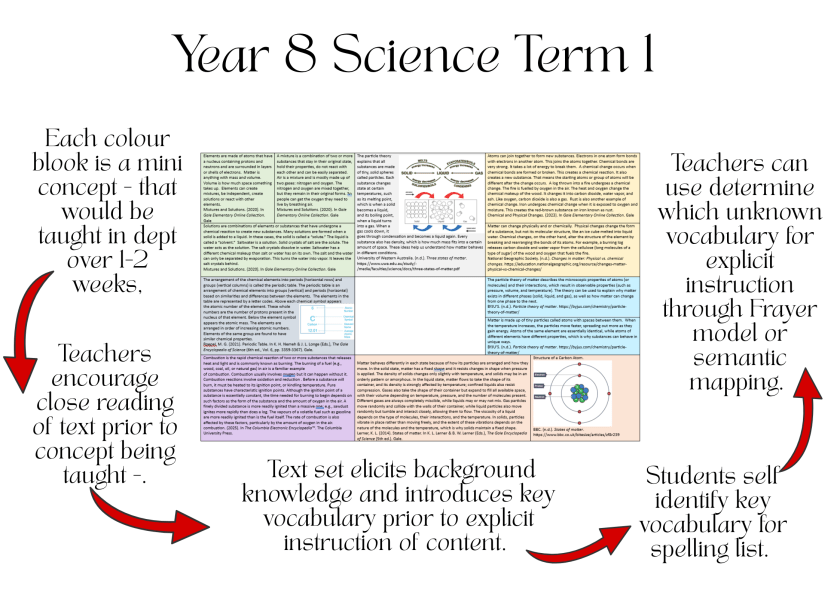
In practice, this begins with carefully curated text sets. By introducing students to genre based texts at appropriate Lexile levels, they encounter Tier 2 and Tier 3 vocabulary in context. This is particularly powerful in subjects such as science, health and the humanities, where disciplinary language can be abstract and highly specific. Seeing vocabulary embedded within authentic texts allows students to connect meaning to purpose, rather than encountering words in isolation.

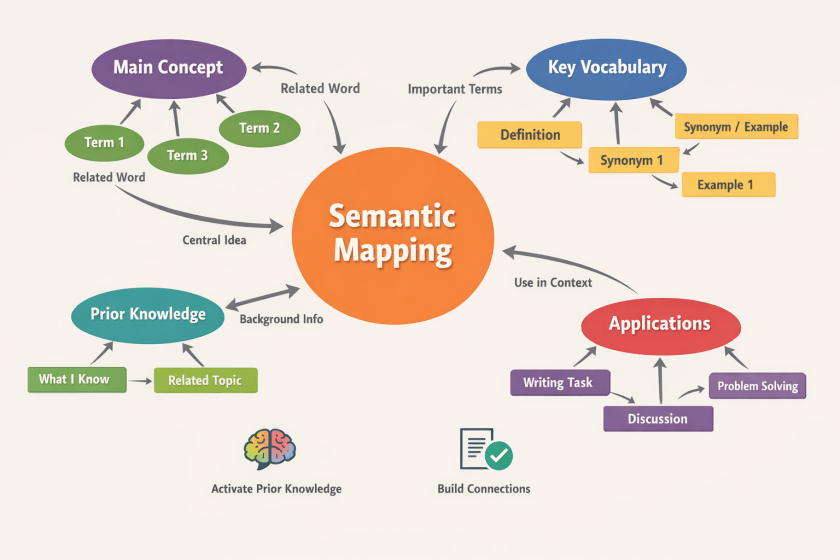
From here, explicit strategies such as the semantic mapping and the Frayer Model are used to connect schemas and deepen understanding. This is especially effective for terms that students commonly misunderstand or struggle to define, which is often the case in scientific contexts. By unpacking definitions, characteristics, examples and non examples, students build a more nuanced and transferable understanding of key concepts.

Throughout this process, resource based learning has been essential. The library is not simply a place where resources are housed, but a dynamic space where literacy and learning are designed in partnership with teachers. As a teacher librarian, I have worked closely with colleagues to co plan units that embed vocabulary instruction within inquiry based learning. Together, we create literacy rich environments where students engage with ideas, language and content in meaningful ways.

What has been most powerful is seeing the cumulative impact of this work. When vocabulary is positioned as a cornerstone of learning, students become more confident readers, more precise thinkers and more capable communicators. They are better equipped to navigate complex texts, engage in disciplinary thinking and articulate their understanding.

Presenting at the Summit this year was an opportunity to reflect on this journey and to share practical, adaptable strategies with other educators. It also reinforced the critical role that teacher librarians play in leading literacy across the curriculum. Through curation, collaboration and intentional teaching, libraries can drive approaches that ensure all students have access to the language of learning.

This work continues to evolve, but the core principle remains unchanged. If we want students to think deeply and learn effectively, we must first give them the words.

Why Science Fiction Belongs at the Heart of a Literacy‑Led Library Program

As a teacher librarian, my work is grounded in a simple but firm belief: literacy and literature must remain at the centre of learning. That does not mean avoiding complexity. It means choosing texts and genres that allow students to encounter complexity in ways that are humane, accessible and developmentally appropriate. Science fiction, often misunderstood as niche or escapist, is one of the most effective literary tools we have to do exactly that.

wp-1777614116868372293590086765748

Science fiction offers students a way to think without feeling interrogated. It creates space for ideas to be explored rather than defended. When students encounter ethical dilemmas, social questions or scientific possibilities through story, the focus shifts from right answers to thoughtful engagement. The speculative distance of science fiction allows students to examine power, responsibility, identity and change without the pressure of personal disclosure or immediate real‑world positioning. This is not avoidance, it is scaffolding.

From a literacy perspective, science fiction is particularly powerful for vocabulary development. Scientific, technical and abstract concepts are embedded within narrative, image and character rather than presented as isolated definitions to be memorised. Students meet words repeatedly, across contexts, wrapped in story. This kind of exposure builds depth of understanding, not just surface recognition. It is vocabulary acquisition without confrontation, learning without the spike of anxiety that can come with academic language when it is taught in isolation.

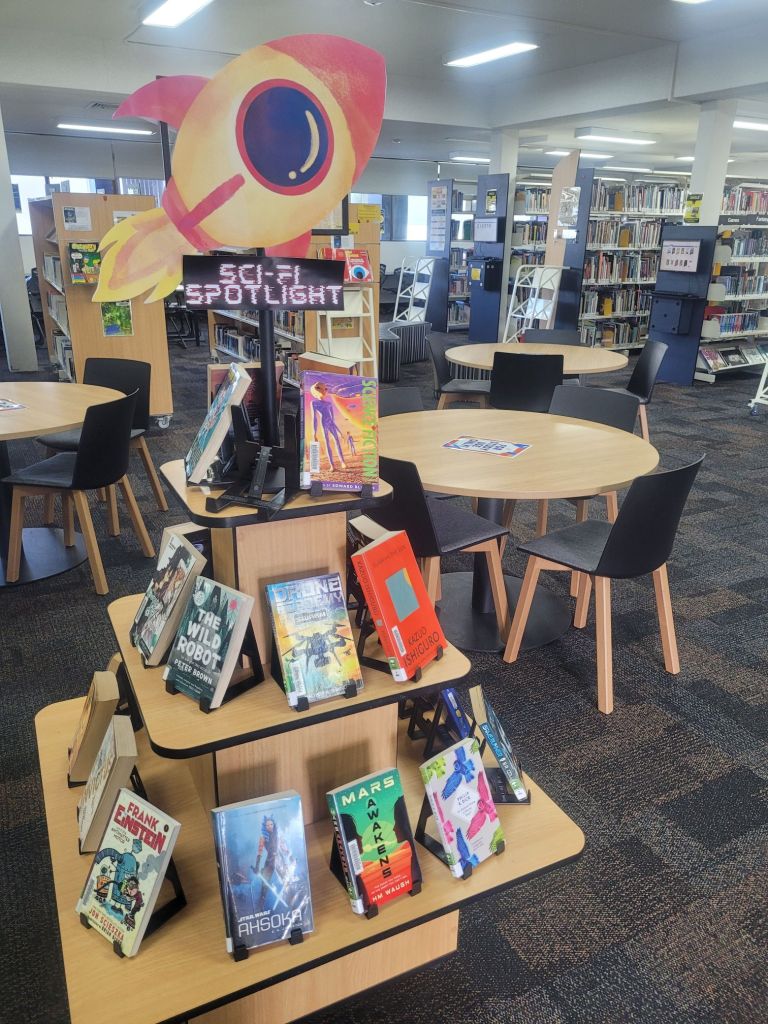
Narratives such as novels and picture books sit at the heart of this work, especially when introducing complex ideas. No one is afraid of a story! Narratives disarm resistance, invite curiosity and slow the reading process in productive ways. A well‑chosen science fiction narrative can introduce abstract ideas such as time, artificial intelligence, environmental collapse or ethical choice without signalling to students that something “difficult” is coming. In particular, science fiction picture books promote the use of imager to carry meaning alongside words, allowing students to construct understanding through multiple pathways. This multimodal entry point is particularly powerful for reluctant readers, EALD students and those who have not yet built confidence as academic learners.

Science fiction has always played a role in shaping how societies imagine the future. Long before deep‑sea exploration or space travel became reality, writers were exploring these possibilities through fiction. That imaginative work mattered. It still does. When students read science fiction, they are not just consuming stories about the future, they are learning how to think about possibility, consequence and change. They practise asking “what if” and “what next?”, questions that sit at the core of critical literacy.

In the library, science fiction becomes a bridge between disciplines. It allows science, ethics, language and social understanding to sit alongside one another rather than compete for space. This aligns deeply with socio‑cultural theories of learning that emphasise language, context and dialogue as central to meaning‑making. Stories give students a shared reference point from which rich conversation can grow. They provide a common text that supports talk, questioning and interpretation, all essential elements of strong literacy practice.

Importantly, science fiction asks students to rethink social dilemmas rather than simply react to them. By following characters through imagined futures, students can explore moral uncertainty, empathise with perspectives unlike their own and consider the long‑term impact of human decisions. This builds ethical imagination alongside analytical skill. It teaches students that thinking deeply is more valuable than answering quickly.

For me, promoting science fiction is not about chasing trends or genre enthusiasm. It is about literacy leadership. It is about selecting texts that honour imagination while strengthening language, that support curiosity without sacrificing rigour. Science fiction does not sit on the edges of serious reading. In a literacy‑led library, it belongs at the centre.

And sometimes, the most powerful way to begin that journey is with a story.

References.

BookTrust. (n.d.). Why children’s science fiction is so important. https://www.booktrust.org.uk/resources/find-resources/why-childrens-science-fiction-is-so-important/

Diyora, S., & Abduramanova, D. (2024). The role of science fiction in enhancing critical thinking and ethical imagination in education. ASEAN Journal of Science and Engineering Education, 4(3), 211–216. https://doi.org/10.17509/ajsee.v4i3.82480

Eason, A. (2024, February 27). The psychological benefits of science fiction. https://adam-eason.com/the-psychological-benefits-of-science-fiction/

Jones, E. (2020, May 24). Sci‑fi and fantasy build mental resiliency in young readers. JSTOR Daily. https://daily.jstor.org/science-fiction-builds-mental-resiliency-young-readers/

Halliday, M. A. K., & Hasan, R. (1989). Language, context, and text: Aspects of language in a social-semiotic perspective (2nd ed.). Oxford: Oxford University Press.

Vygotsky, L. S. (1978). Mind in society: The development of higher psychological processes. Harvard University Press.

The Social Life of Books: Why Teen Readers Follow Their Friend

Reading is widely recognised as a critical skill for young people, supporting the development of strong cognition, mental health and empathy. A growing body of research consistently shows that recreational reading in particular is linked with academic achievement, improved emotional regulation and more nuanced interpersonal understanding. Building a culture of reading, therefore, is not a peripheral task for schools. It lies at the heart of nurturing thoughtful, resilient and socially capable young people.

Yet despite these well established benefits, many children and teenagers do not naturally turn to teachers or teacher librarians for book recommendations (Merga, 2012). To be blunt, young people do not necessarily see adults as cool. Recommendations from teachers, no matter how well intentioned, may lack what adolescents consider to be genuine social credibility. The street cred factor is real, and it is powerful.

This dynamic is clearly supported in contemporary research. Rutherford, Singleton, Reddan, Johanson and Dezuanni’s report Discovering a Good Read: Exploring Book Discovery and Reading for Pleasure Among Australian Teens found that teens prefer “recommendations from friends (57%)”, a finding emerging from a nationally representative survey of more than thirteen thousand Australian secondary students. These findings reinforce what many educators observe anecdotally. Reading among teens is not only an individual cognitive task but also a profoundly social practice.

Further evidence comes from the work of Dr Margaret Merga, a well respected Australian researcher in literacy and reading engagement. In a mixed methods program examining the influence of social attitudes on reading behaviours, Merga (2012) noted that “perceived friends’ attitudes can have a more significant influence on boys than girls, [therefore] making books socially acceptable for boys should be a priority for educators.” This underscores the idea that book talk among peers is not merely casual chit chat. It is a mechanism of social permission. When books gain traction within a peer group, they gain legitimacy and ethos (Merga, 2012; Merga 2014).

20260306_1744208882785230159552629

Australia Reads similarly emphasises the importance of social engagement in building sustainable reading habits. Its principles highlight that young people need “positive social reading experiences” and opportunities to “recommend, discuss and share books and other texts in ways that are personally enjoyable and relevant”. In other words, reading thrives when it is relational.

20260306_1331021376405956065383258

At Lauries, we see these principles in action every day. While staff recommendations certainly have their place, it is peer driven reading culture that most reliably sparks curiosity, especially among reluctant readers. This is why we actively encourage students to reflect on and review the books they read. Their voices matter. Their opinions shape the reading landscape for others. The broader research base supports this emphasis on social recommendation and discussion as a driver of voluntary reading.

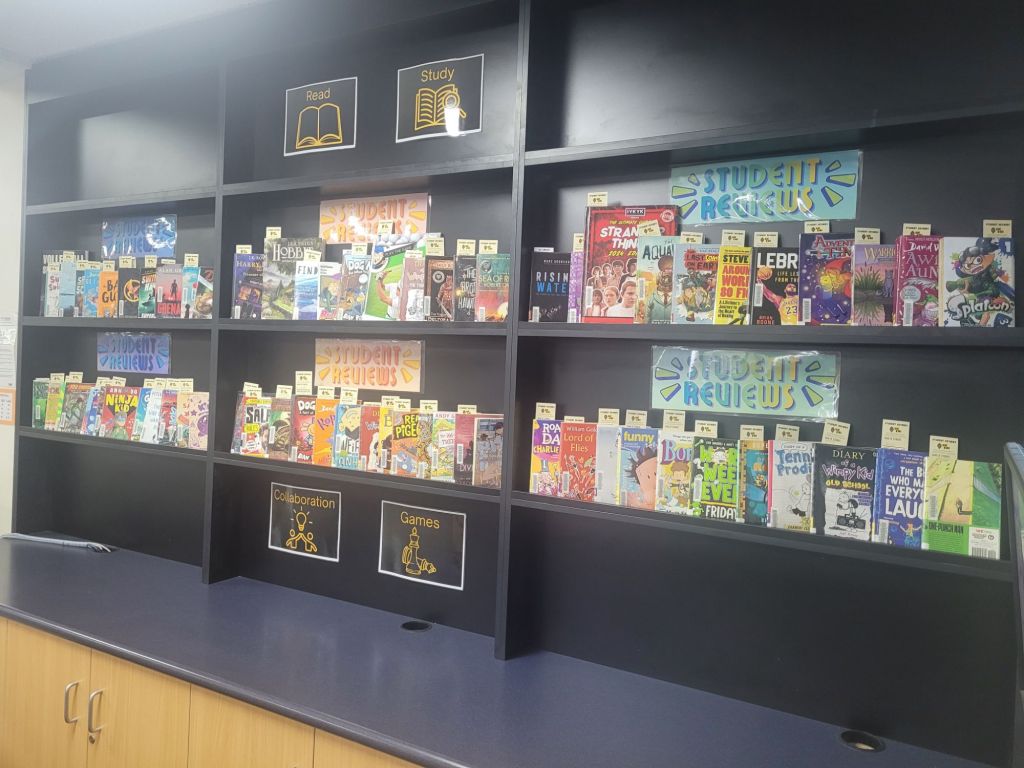
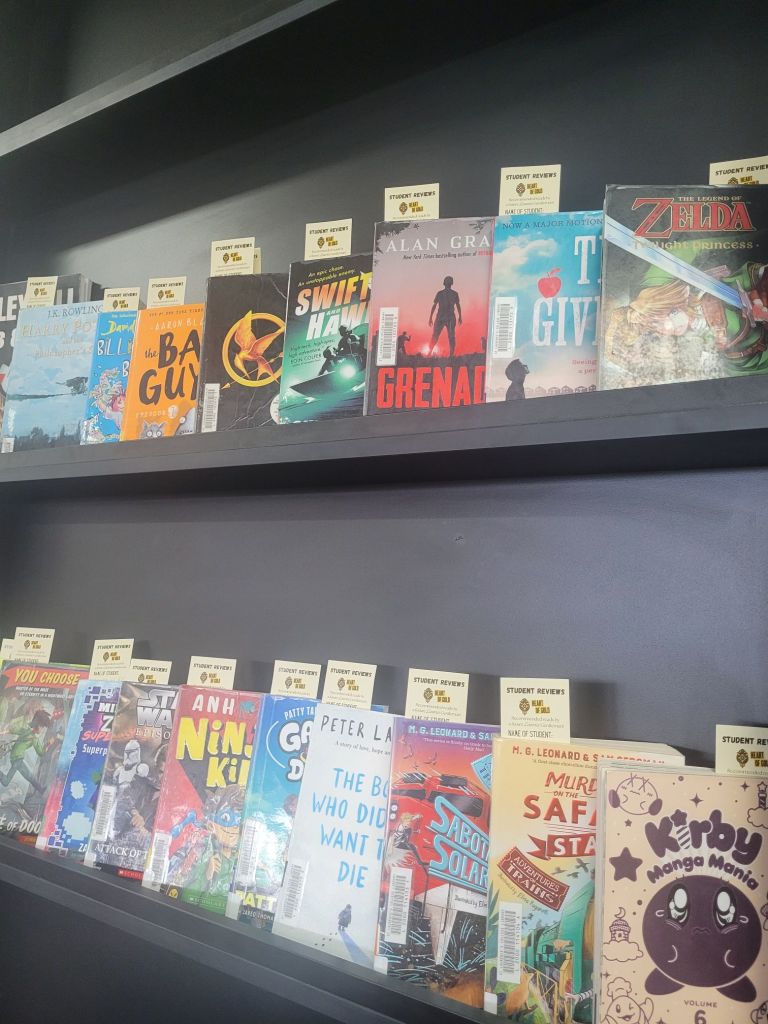
A visible expression of this culture is our wall of Lauries Lads Lit Picks. This growing collection showcases books that our students have personally endorsed. We often see reluctant readers wandering over, flicking through the displayed reviews until they discover a familiar name. That moment of recognition is powerful. When a friend or respected peer has enjoyed a book, the barrier to entry drops dramatically. The book becomes not just a text but a shared experience waiting to happen. The pattern aligns with evidence that peer attitudes and friend recommendations play an outsized role in adolescent book choice.

Cultivating a socially rich reading environment therefore requires more than simply providing access to books. It involves elevating student voice, valuing peer influence and creating spaces where reading is openly shared, discussed and celebrated. The evidence is unequivocal. When young people are given opportunities to recommend books to one another, their engagement deepens and their confidence as readers grows. Reading becomes woven not only into their academic lives but into their friendships, identities and everyday conversations.

By continuing to champion peer driven discovery, we support our students not only to read more but to read with curiosity, connection and purpose. That is a foundation that benefits them far beyond the walls of the library

references

Australia Reads. (2025, September 23). Major new report offers 6 key principles to support young people’s recreational reading. https://australiareads.org.au/news/6-principles-support-young-people-reading/ [australiar…ads.org.au]

Crowther Centre. (n.d.). Getting young people to read. https://www.crowthercentre.org.au/resources/getting-young-people-to-read/ [crowtherce…tre.org.au]

Merga, M. K. (2014). Peer group and friend influences on the social acceptability of adolescent book reading. Journal of Adolescent & Adult Literacy, 57(6), 472–482. https://doi.org/10.1002/jaal.273 [researchgate.net], [periodicos…pes.gov.br]

Merga, M. K. (2012). Social influences on West Australian adolescents’ recreational book reading [Conference presentation]. ECU Research Week. https://core.ac.uk/download/pdf/41527861.pdf [core.ac.uk]

Rutherford, L., Singleton, A., Reddan, B., Johanson, K., & Dezuanni, M. (2024). Discovering a Good Read: Exploring Book Discovery and Reading for Pleasure Among Australian Teens. Deakin University. https://eprints.qut.edu.au/247629/ [eprints.qut.edu.au]

Historical Fiction: Her-stories are as important as His-stories.

History is often presented as a clean line of dates and deeds, with women’s voices muted or missing. Yet when I read historical fiction, I hear those voices rise. It is in the imagined conversations, the textured inner lives and the careful stitching of research to narrative that women like Eleanor of Aquitaine step out from the margins and take their rightful place at the centre of the story. Historical fiction does not replace the archive. It complements it. It gives shape to the silences and lets Her story speak.

Eleanor of Aquitaine has captivated me for years. She was queen of France, then queen of England, duchess in her own right, patron of culture and mother to kings. Even through the writings of men who often judged powerful women harshly, she still appears intelligent, beautiful, strong of will and frequently labelled as wilful. That tension between what the record says and what it leaves unsaid is exactly where historical fiction does its best work. Through fiction, we can inhabit the rooms where the clerks did not sit, hear the words no chronicler bothered to write, and feel the force of a woman who shaped her world.

20260118_2023522374916063472770158

Because I am fascinated by Eleanor, I have read widely across authors who approach her life from different angles over my last summer holidays. Each one balances fact and imagination to reveal a fuller portrait. In their hands, Eleanor becomes more than a figure on a timeline. She becomes a person, with agency, complexity and heart. Reading these books has reminded me again and again that history is not only his story. It is also her story, and it deserves to be heard.

Why Historical Fiction Lets Her Story Speak

Historical fiction gives us the space to ask human questions that sources do not answer. What did courage feel like to a woman whose decisions could alter a dynasty. How did she manage loyalty and love in a world that traded both for advantage. What language did she use for her ambitions, her fears and her hopes. Novelists use careful research and responsible imagination to explore these questions. They do not invent the past. They interpret it with empathy, so that readers can understand lives very different from our own.

For women, this matters deeply. The written record often reflects the priorities of men who held the pen. Fiction can step into the gaps and consider the private sphere where much of women’s labour and influence took place. It can restore friendships, mentorships, rivalries and choices that formal chronicles overlook. Reading such stories changes how we see the past. It prompts us to look again at the sources, to notice what was omitted and to seek out voices that were ignored.

This is why I keep returning to Eleanor of Aquitaine through fiction as well as history. Each book adds texture to the tapestry. Each author brings a new hue to the same thread. Together they create a portrait that feels whole. In listening to these imagined yet carefully grounded voices, we are not abandoning truth. We are widening it. We are acknowledging that history is a chorus, and that Her story deserves to sing just as clearly.

Her life reminds us that the past belongs to all of us. Reading and sharing these novels is one way to make sure that our understanding of history includes the women who shaped it. His story has been told for a long time. It is time for Her story to be heard alongside it, fully and without apology.

So if you would like to know a bit about Her-Story, here are some of the amazing authors who wrote about Eleanor:

Books by Elizabeth Chadwick featuring Eleanor of Aquitaine
The Summer Queen
The Winter Crown
The Autumn Throne

Books by Jean Plaidy featuring Eleanor of Aquitaine
The Courts of Love
Eleanor of Aquitaine: The Young Queen
Eleanor of Aquitaine: The Rebel Queen

Books by Sharon Penman featuring Eleanor of Aquitaine
When Christ and His Saints Slept
Time and Chance
Devil’s Brood
Lionheart
A King’s Ransom

Books by Alison Weir featuring Eleanor of Aquitaine
Eleanor of Aquitaine: By the Wrath of God, Queen of England (non fiction)
Captive Queen (fiction)

Queensland School Library Week 2026

This week we celebrate Queensland School Library Week and this year’s theme, School Libraries Light the Way, perfectly captures what our library aims to do every day. School libraries illuminate pathways to learning, belonging, curiosity and joy. They guide students in reading, research, creativity and personal growth while promoting equity and inclusivity for every learner.

Here is how our library is commenced lighting the way in the first few weeks of 2026.

Lighting the Way for Reading, Research and Recreation

Book Clubs in Full Swing: Our book clubs for primary and secondary students have been meeting since Week 2 and the enthusiasm has been wonderful to see. These groups give students opportunities to read for pleasure, discuss ideas and connect with other readers across the school.

Sharing New Books: We continue to promote new books to staff and students. Whether it is a fresh fantasy adventure, a gripping nonfiction title or the newest young adult novel, we work hard to help every reader find something they will enjoy.

Supporting Teacher Professional Learning: We are also lighting the way for staff by ensuring our digital access to teacher journals is current, reliable and easy to use. We share these resources across school networks so that teachers can stay informed, inspired and connected to current practice.

Library Lessons for Years 5 to 8: Our library lessons support student interest and reading engagement. These sessions are planned to build student efficacy in navigating their own reading journey.

Information Literacy for Years 7 and 8: I collaborated with classroom teachers to deliver information literacy instruction that is authentic and practical. Students are learning to locate information, evaluate sources and use material ethically, which helps prepare them for success in school and beyond.

Lighting the Way for Equity and Inclusivity

Lunar New Year Activities: From this week we will offer Lunar New Year activities during language classes and at lunchtime. These activities build cultural understanding and celebrate the rich diversity of our school community so that every student feels valued and represented.

The Happy Book Dragon: Our library is also home to its resident happy book dragon (aka ME) who lives and breathes book trivia and reading joy. Sometimes lighting the way simply means sharing enthusiasm and creating a space where curiosity thrives.

Lighting the way together

Queensland School Library Week is a reminder of the powerful role a school library plays in the life of a community. From nurturing readers to supporting staff and celebrating cultural diversity, our library is proud to be a guiding light in our school.

Here is to a bright and book filled week and to the many ways libraries continue to light the way every day.

A Season of Reading and Reflection: A Year in Review.

As the school year wrapped up last week, I found myself reflecting on the many moments that shaped our library community in 2025. There have been challenges, yes, but also plenty of reasons to celebrate.

One of the brightest sparks has been our book clubs. What started as a simple idea, a few snacks and a chance to talk about stories, has grown into something much bigger. My secondary Book Club stands out. At the beginning of the year they were a small group, some unsure of what to read, others firmly attached to their favourite genres. Over time, though, their borrowing soared. They began exploring fantasy, contemporary fiction and graphic novels, and while one dedicated manga reader still resists branching out, the group as a whole has broadened its horizons. More importantly, they began to see reading as part of who they are. They recommend titles to each other, debate endings, and even suggest new books for the library. Watching that transformation has been a joy.

Research reminds us that this is exactly what book clubs are meant to do. They make reading social, they build confidence, and they help young people see themselves as readers. The secondary Book Club Boys proved that in the most authentic way, showing how a community of peers can turn reading from a solitary task into something shared and celebrated.

From a whole school review, borrowing levels across the school have also risen, returning to pre COVID rates. Much of this growth has come from our younger readers, whose enthusiasm has been infectious. Their excitement has created a vibrant culture of reading in the primary years, and their participation in activities has been a highlight of the year.

Of course, there are challenges we cannot ignore. Very few of our Year 10 to Year 12 students are reading recreationally, and this is concerning. Intertextuality, the ability to connect ideas across texts, is vital for analysis and for building strong cognitive connections. Without regular reading, those skills are harder to develop. We also continue to see limited engagement from Years 7 to 10 English classes, despite enthusiastic promotion. There seems to be a reluctance to lose curriculum time.

Our team dynamic has shifted too, with members coming and going. Change always brings adjustment, but it has also brought fresh perspectives and energy. We have expanded our digital resources, and while uptake has been slow, steady gains are being made as students and staff grow more comfortable with these platforms.

Perhaps the greatest success of all has been the way the library has become recognised as a social space where everyone is welcome. It is not only a place for books, but a hub for connection, collaboration and belonging. That sense of community is something we can all be proud of.

We closed the year with our Books & Bites Christmas party, a joyful celebration of new releases and Christmas treats. Each student received a reading journal with a challenge to read four books over the summer, along with handmade gifts, ornaments, bookmarks, and pen holders, sewn over the past few weeks. These tokens were a way of honouring the shared love of reading that binds us together.

As we finish the 2025 chapter, I am reminded that reading is not just about borrowing books, it is about building minds, fostering empathy and preparing students for the complexities of the world.

“As we finish this chapter and look ahead to the new year, I am reminded that Christmas is a season not only of rejoicing, but of reflection. May the joy of stories, the warmth of community, and the promise of new beginnings carry us into the year ahead.”

Sundays, Libraries, and the Quiet Crisis in Reading

The 10 year old child’s haul.

On Sundays, our family has a rhythm. We go to church in the morning, then its off to our local library. The kids scatter to their favourite corners, borrowing books and settling in to read whatever strikes their fancy. The only rule is, that for every book that is a re-read, there must be one you have not read before.

This week’s book haul – mine.

Whilst my children scurry to their favourite genres, I grab a coffee and wander the shelves, letting my eyes land on whatever catches my eye. My husband always chuckles at this part. “You work in a library,” he says, amused. He’s right, of course. I do. But I work in a boys’ school library, and let’s just say the collection doesn’t quite float my boat. We then settle down for 30-45min of quiet reading together, but all on individual journeys.

Cook, S. (2025, November 5). It will take more than the new Children’s Booker Prize to arrest the dramatic decline in reading enjoyment. The Conversation. https://theconversation.com/it-will-take-more-than-the-new-childrens-booker-prize-to-arrest-the-dramatic-decline-in-reading-enjoyment-268777

There’s something different about being in a space where reading is chosen, not assigned. Where stories are picked for pleasure, not performance. That contrast has been sitting with me lately, especially after reading Loh et al.’s 2025 report on the decline in volitional reading and a recent piece in The Conversation about the new Children’s Booker Prize. Both paint a sobering picture: young people are reading less, and they’re enjoying it even less than that.

Loh, C. E. et al. (2025) The Decline in Volitional
Reading: Evidence-Informed Ways Forward.
National Institute of Education, Nanyang
Technological University, Singapore.

Loh’s recommendations to improve literacy success.

  • agency
  • access to literature
  • time in daily routines
  • reflection and connection
  • social interaction
  • developing a positive reading identity

What struck me most in Loh’s report was what wasn’t there. None of the key principles mention curriculum reform. None suggest that testing is the answer. Instead, the focus is on joy, choice, and connection. Reading for pleasure is framed not as a luxury, but as a necessity. It’s a stronger predictor of reading attainment than socioeconomic status. That’s huge. It means that if we want to close literacy gaps, we need to open up space for enjoyment.

In my school library, I see the tension. Boys who associate reading with assignments, comprehension questions, and accelerated reader points. Not with curiosity or escape. Not with laughter or awe. And I wonder: what would happen if we let go of the scaffolds and trusted them to choose? The Conversation article makes a similar point. Awards like the Children’s Booker are lovely, but they won’t shift the culture on their own. What we need is a reimagining of reading in schools. Less about outcomes, more about experience. Less about control, more about trust.

Furthermore, parents need to remember that they are their children’s first educators. Is reading and literacy your household value? One of the key findings in Loh’s research is that children need access to literature and to see it modelled by the adults around them. Do parents take their kids to the library? Do they read in front of their children? Or do they presume that schools will take care of it? Do they even ask their children how often they visit the school library? These questions matter. Because when reading is visible and valued at home, it becomes part of a child’s identity, not just a school subject.

So here’s my quiet Sunday reflection: maybe the best thing we can do as educators is to make room and provide time. Room for stories that speak to our students. Room for browsing, for borrowing, for reading without a worksheet attached. Room for libraries that float their boats and time to lie back and float away.

Because when reading becomes a choice again, it becomes a joy again. And that’s where the magic lives.

Spring cleaning your shelves.

Last chance reads & Literary weeds.

If you’ve ever heard the term “weeding” in the context of school libraries and pictured yourself in gumboots pulling dandelions from the fiction section—don’t worry, you’re not alone. But while it might sound like a gardening chore, weeding in libraries is a vital part of collection development. Think of it as removing the junk so the flowers can stand out—because every great library deserves to blossom.

Weeding, or deselection, is the process of removing outdated, damaged, irrelevant, or unused resources from the collection. It’s not about discarding books for the sake of it; it’s about curating a vibrant, purposeful collection that supports student learning, teacher needs, and curriculum goals. A well-weeded collection is easier to navigate, more appealing to browse, and more likely to be used. It’s the difference between a cluttered storeroom and a well-organised learning hub.

Here in our library, we’re about to begin a weeding process ahead of our fiction stocktake. From a logistical perspective, it gives us a chance to winnow what is not being effectively utilised and what is not supporting the ethos of our library. It also gives us the perfect opportunity to refresh the shelves and make space for stories that truly resonate with our readers. We’ll be using our Collection Development and Management Policy to guide our decisions, focusing on books that are outdated, physically unattractive (yes, those yellowed pages and cracked spines count!), or simply no longer meeting the needs of our school community. If it hasn’t been borrowed in years, doesn’t reflect current values, or makes students wrinkle their noses, it’s probably time to say goodbye.

However, I will add that I have an inner Book Dragon and that one is loathe to get rid of books. Therefore, just to make sure, we are going to give these books one last hurrah, we’re setting up a “Last Chance Borrow” display. This is a fun and engaging way to spotlight forgotten titles that might still have a spark of interest left in them. Students and staff will have the chance to browse and borrow these books before they’re officially retired. Who knows—maybe a hidden gem will find a new fan! It’s also a great opportunity to start conversations about what makes a book worth keeping and how our reading tastes evolve over time.

Our process of weeding is made easier by having a very clear policy and process. Our LMS, Oliver, provides us with a list of titles that have not been borrowed in recent times. This list, combined with our policy, helps us set clear parameters and ensures that our choices are thoughtful and consistent. We’re not just tossing out books—we’re making room for new voices, fresh ideas, and engaging reads that support literacy and learning. Weeding also helps us maintain a collection that’s inclusive, relevant, and aligned with our school’s educational goals.

Of course, weeding can be emotional. Saying goodbye to old favourites isn’t easy. But remember: a library isn’t a museum. It’s a living, breathing space for discovery and growth. And just like a garden, it needs regular tending. So grab your metaphorical secateurs, consult your policy, and let those literary flowers bloom. Your students—and your shelves—will thank you.