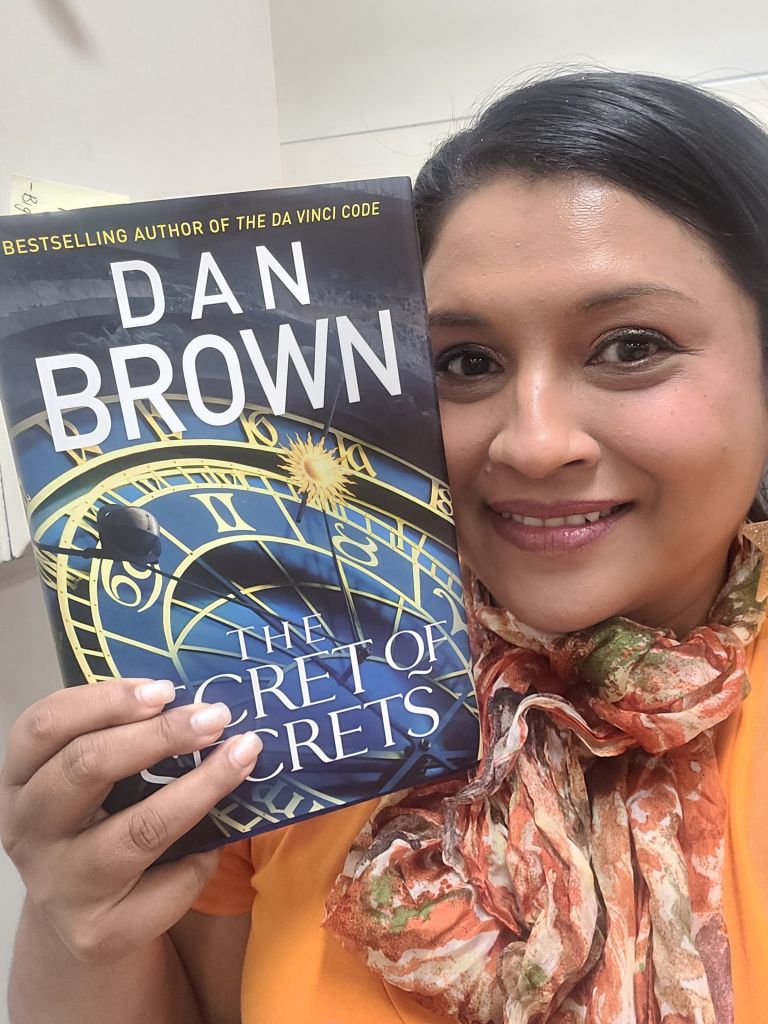
Book Review – The Secret of Secrets

Once again… at 12.01 on the 9th of September, I downloaded the latest Dan Brown novel as I was eagerly awaiting the next installment of the Robert Langdon stories. But urgh…. I even switched to paperback at 5pm in hope that the feel of an actual book would improve the storyline. But alas, it did not. Now I am out $17 for the eBook and $30 for the physical copy with little to show for it.

Dan Brown’s The Secret of Secrets reads more like a glitzy façade than a compelling novel—an elaborate construct designed to dazzle, but lacking any real substance. It’s the literary equivalent of fake veneers: glossy, over-polished, and desperate to be taken seriously. While it promises a deep dive into consciousness and ancient mysteries, what it actually delivers is a recycled thriller dressed up in pseudo-intellectual jargon.

All Shine, No Substance

The story sees Robert Langdon once again caught up in a convoluted plot, this time involving noetic science and a missing manuscript that supposedly holds the key to unlocking human potential. But instead of genuine intrigue, we’re handed a tired formula: cryptic symbols, secret societies, and chase scenes that feel like they’ve been lifted straight from his earlier books or a poorly made James Bond (Yes Timothy Dalton, I am thinking of you!). The pacing is frantic, but not in a good way—it’s like being dragged through a trivia night hosted by someone who’s memorised the answers but lost the passion.

FYI – Noetic comes from the Greek for inner wisdom and intuition—none of which made it into this book. Honestly, I’ve had deeper thoughts staring at the Bunnings sausage sizzle queue.

Prague, one of the novel’s main settings, should be a rich, gothic playground for mystery and intrigue. As one of the oldest cities in Europe, Brown could have leaned into its heritage and legend in a far more effective manner like he did in Angels and Demons. But Brown’s use of it in this novel feels opportunistic. The city’s legends and architecture are reduced to mere backdrop, with little emotional weight or narrative depth. It’s all surface-level spectacle, with historical references thrown in like confetti to distract from the lack of character development.

The book’s central theme—consciousness as a cosmic force—could have been fascinating. Instead, it’s treated like a buzzword, tossed around without any real exploration. The science is muddled (and stupid), the philosophy is shallow, and the dialogue often reads like a motivational seminar gone off the rails. Rather than provoking thought, it provoked a significant number of eye-rolls and venting.
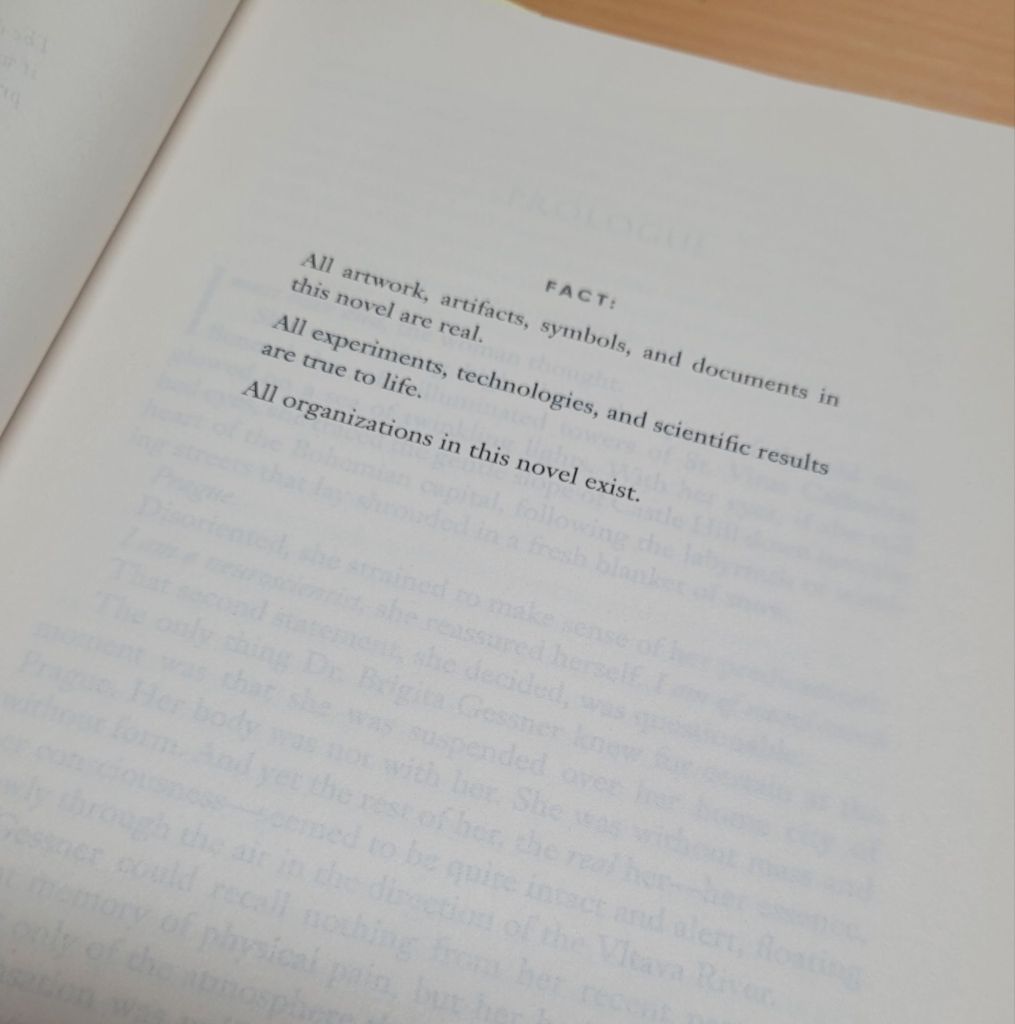
Pretentious much? A bit of pomposity from Ole Mate Danny Boy.

Even Langdon, once a likeable and cerebral lead, feels like a parody of himself. His quirks—like the ever-present Mickey Mouse watch—now seem forced, and his reactions to danger border on slapstick. The villains are cartoonish, the twists are predictable, and the stakes never feel authentic.

It’s a far fall from Brown’s earlier works like Angels & Demons and The Da Vinci Code, which—while not perfect—had a sense of urgency and originality that kept readers hooked. His last truly engaging novel was Inferno, which at least attempted to grapple with real-world ethical dilemmas and global stakes. Since then, it feels like Brown has been chasing the shadow of his own success, layering spectacle over substance in hopes of recapturing the magic.
And to be fair, The Secret of Secrets had a tough benchmark to meet—Galbraith’s Hallmarked Man has officially been my best read this year. Compared to that, Brown’s latest effort feels like a pale imitation of depth and drama.

In the end, The Secret of Secrets tries to be profound but lands as pretentious. It’s a book that wants to be taken seriously, but beneath the polished surface, there’s not much going on. If you’re after a thriller that genuinely challenges your thinking, this one might leave you feeling short-changed—like you’ve been sold wisdom in a shiny wrapper, only to find it’s all gloss and no grit.

#boybooks -Why Jack Heath Belongs in Every Boys’ School Library

If you’re looking for books that speak directly to boys—stories packed with action, danger, and emotional grit—Jack Heath is an author who delivers every time. Based in Canberra, Heath has become a standout voice in Australian young adult fiction, known for his fast-paced narratives and male protagonists who face extreme challenges and somehow manage to survive. His books aren’t just entertaining—they’re powerful tools for building resilience, especially in young readers who need to see that courage isn’t about being fearless, but about pushing through fear.

One of Heath’s most popular texts in my school library is the Minutes of Danger series. Each book features ten short stories, each unfolding in real time over ten minutes. Titles like 300 Minutes of Danger, 400 Minutes of Danger, and 500 Minutes of Danger are perfect for reluctant readers, offering bite-sized thrillers that are impossible to put down. The protagonists are often boys who are caught in life-or-death situations. They must rely on quick thinking, bravery, and resourcefulness. These stories are not only gripping but also subtly teach problem-solving and emotional regulation under pressure.

The Liars series takes a different angle, blending tech intrigue with moral complexity. It follows Jarli, a teenage inventor whose lie-detecting app turns him into a target. Across titles like The Truth App, No Survivors, and Armageddon, Jarli navigates a world where truth is dangerous and trust is hard-earned. These books explore ethical dilemmas, the consequences of innovation, and the importance of standing up for what’s right, even when it’s risky. Jarli’s journey is one of growth, resilience, and learning to think critically in a world full of deception.

Then there’s the Money series, featuring Ashley Arthur is based around a teen thief with a conscience. In Money Run and Hit List, Ashley pulls off high-stakes heists while wrestling with questions of morality and loyalty. These books are like Ocean’s Eleven for young readers, combining adrenaline-fueled action with deeper themes about risk, justice, and the blurry line between right and wrong. Ashley’s cleverness and internal compass make him a compelling role model for boys who are learning to navigate complex social dynamics.

“Thrills, Truth, and Tough Choices”

Jack Heath’s literary universe doesn’t stop at young adult fiction—it boldly steps into adult territory with the Timothy Blake series, beginning with Hangman. This marks Heath’s foray into darker, more psychologically complex storytelling, offering older teen readers a bridge into adult fiction. I have recently acquired the series for my school library because these books are perfect for boys who’ve grown up devouring his YA thrillers as they provide a natural progression into more mature narratives. With a protagonist who’s part genius, part monster, and whose moral compass is as twisted as the crimes he solves, the series channels unmistakable Thomas Harris’ Hannibal Lecter vibes, intelligent, disturbing, and impossible to look away from.

For boys’ schools and educators curating their library collections, authors like Jack Heath are essential. His stories don’t just entertain. They shape character. They help boys confront fear, wrestle with ethical decisions, and develop emotional resilience. In a world that often asks boys to be tough without teaching them how to be strong, Heath’s books offer a roadmap. They help boys grow, not just as readers, but as young men learning to navigate complexity, responsibility, and identity.

Jack Heath’s stories are more than just thrill rides. They offer boys a mirror and a map, reflecting their struggles and showing them paths through adversity. His characters don’t have superpowers, but they do have grit, intelligence, and heart. For educators and parents looking to foster resilience in boys, Heath’s books are a goldmine. They prove that strength isn’t just physical, it’s emotional, ethical, and deeply human.

Book Review – Hangman

Hangman by Jack Heath, published in 2018, marks his first foray into adult fiction after a successful career writing young adult novels. Known for fast-paced, clever storytelling in the YA space, Heath takes a bold leap into darker territory with this gripping thriller—and he doesn’t hold back.

The novel is centred around Timothy Blake, a consultant for the FBI with a disturbingly dark secret: he’s a cannibal. Heath crafts a character who is both brilliant and deeply unsettling, challenging readers to grapple with their own sense of right and wrong. One could argue that the end justifies the means.  Others would say that the dignity of a person should always be at the forefront of any decision making.

The novel leans heavily into thriller territory, with relentless tension and a breakneck pace. However, it’s also more graphic than many traditional mysteries, featuring scenes that some readers may find unsettling or overly gory. If you’re sensitive to violence or visceral detail, this one might push your limits.

Despite the intensity, Hangman stands out for its originality and daring. It’s a bold start to a series that explores the darker edges of justice and human nature. If you can stomach the gore, it’s a compelling read that redefines what a crime thriller can be.

Book Review – Mistress of Rome by Kate Quinn.

Mistress of Rome, published in 2010, is the first book in Kate Quinn’s Empress of Rome series. Set during the reign of Emperor Domitian—the last of the Flavian dynasty and arguably the most paranoid—the story plunges readers into a world of opulence, brutality, and political intrigue. Quinn’s Rome is vividly imagined, with strong historical elements woven throughout, though she does take artistic license, particularly in her depiction of gladiatorial combat.

At the heart of the novel are two women whose lives are inextricably linked by rivalry and fate. Thea is a slave of Judean origin, quiet and intelligent, with a traumatic past that fuels her resilience. Lepida Pollia, born into the patrician elite, is vain, manipulative, and cruel. Their relationship is marked by betrayal, jealousy, and a constant struggle for power—both personal and social. Through their contrasting journeys, Quinn explores themes of agency, survival, and revenge in a society where status can mean everything or nothing.

Violence is a dominant theme throughout the novel. From the blood-soaked sands of the gladiatorial arena to the psychological torment inflicted behind closed doors, Quinn does not shy away from the darker aspects of Roman life. These scenes are not gratuitous; rather, they serve to underscore the fragility of life and the brutal cost of ambition in a world ruled by fear and spectacle.

Domitian himself is portrayed as a chilling figure—charismatic yet unstable, capable of both charm and cruelty. His presence adds a layer of tension to the narrative, reminding readers that in Rome, even the favour of an emperor can be deadly. Quinn’s depiction of his court is rich with intrigue, paranoia, and danger, offering a compelling backdrop to the personal dramas unfolding within it.

Mistress of Rome is more than historical fiction—it’s a story of transformation, endurance, and the fight for freedom. Quinn’s prose is accessible yet evocative, and her characters are complex and emotionally resonant. As book one of a gripping series, it lays a powerful foundation for the stories that follow.

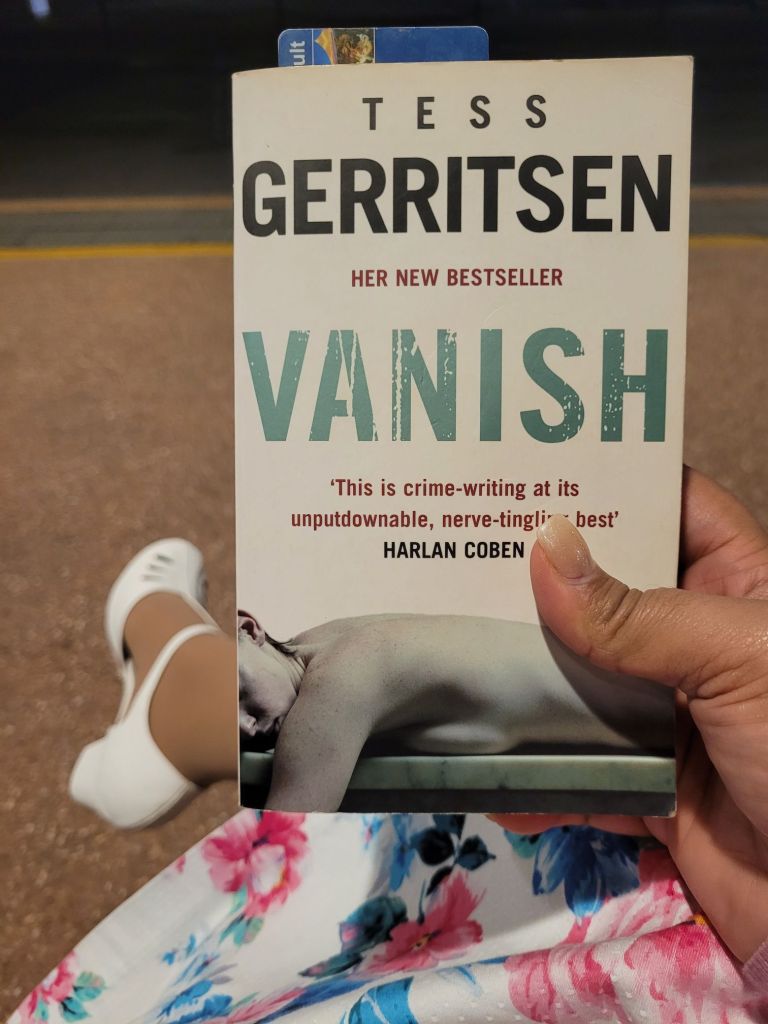
Book Review – Vanish by Tess Gerritsen

In Vanish (2005), Tess Gerritsen delivers a taut, socially conscious thriller that goes beyond the conventions of crime fiction. As the fifth instalment in her Rizzoli & Isles series, the novel showcases her signature blend of forensic realism and emotional intensity—thanks in no small part to her background as a physician and student of anthropology. That scientific lens gives the story a grounded, credible edge, especially in its depiction of evidence collection and trauma response.


The novel centres around two formidable women: Detective Jane Rizzoli and Medical Examiner Maura Isles. In a world dominated by male authority figures, these protagonists stand out not just for their competence but for their resilience and moral clarity. Gerritsen writes from two perspectives—one from the cop, the other from a mysterious victim—which adds layers of suspense and empathy to the narrative. It’s a structure that humanises the crime and gives readers a visceral sense of what’s at stake.

What makes Vanish especially compelling is its thematic ambition. Gerritsen tackles human trafficking head-on, portraying it as a deeply entrenched and horrifying reality of the 21st century. The novel also hints at the unsettling power of military-industrial entities, suggesting that these corporations can manipulate justice and policy in ways that undermine democratic institutions. It’s a bold move for a crime novel, and it pays off.

While Gerritsen’s prose may not reach the literary heights of Patricia Cornwell, her storytelling is sharp, emotionally resonant, and socially aware. In fact, Vanish gives James Patterson a serious run for his money—especially in its ability to weave action, character development, and ethical complexity into a single, gripping narrative.

If you’re looking for a crime novel that’s more than just a whodunit, Vanish is a standout. It’s a page-turner with a conscience, and it proves that thrillers can be both entertaining and enlightening.

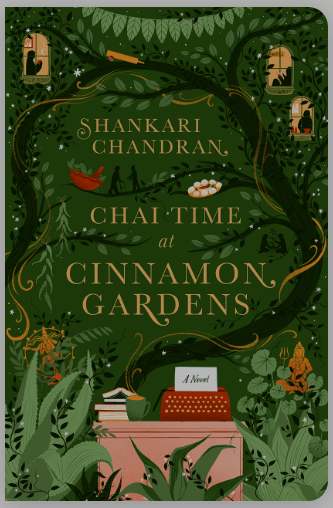
Chai, Cinnamon, and Childhood Summers: A Whimsical Wander Through Chai Time at Cinnamon Gardens

“The stories we tell are the temples we build. They must not be erased.”

Some books feel like a warm hug. Others feel like a cup of spiced masala chai, comforting, layered, and just a little bit fiery. Shankari Chandran’s Chai Time at Cinnamon Gardens is both. It’s the kind of novel that wraps itself around your heart and whispers stories you didn’t know you needed to hear.

And for me, it was more than just a read. It was a nostalgic journey. You see, I used to spend my summer holidays in Sri Lanka as a child. The scent of cinnamon in the air, the sound of monsoon rain on tin roofs, the laughter over mangoes and mischief. It’s all etched into my memory. So when I opened this book, I wasn’t just reading. I was time-traveling.

Cinnamon Gardens: A Home Full of Stories

Set in a fictional retirement home in Western Sydney, Cinnamon Gardens is run by Shiva and Maya, Tamil immigrants who’ve built a sanctuary for elders from all walks of life. But this isn’t your average aged care facility. It’s a place where stories simmer like pots of curry on the stove. A story that is rich, complex, and full of spice.

When a racially charged attack shakes the community, Maya is forced to confront her past as a survivor of the Sri Lankan civil war. The novel dances between timelines of Sri Lanka’s turbulent history and Sydney’s multicultural present. The dance revealing how trauma, memory, and resilience are passed down like heirlooms.

Each resident has a tale to tell, and Chandran listens with compassion and clarity. It’s a reminder that behind every quiet face is a thunderstorm of experience.

Sydney’s West – A melting pot.

Image from article by Handley (2022).

Let’s talk about Western Sydney, shall we? If you’ve never been, you’re missing out on the most eclectic, electric, and downright delicious food scene in Australia. As Handley (2022) from the ABC pointed out the change that is happening in Western Sydney. One street might offer Sri Lankan hoppers, Lebanese falafel, Vietnamese pho, and Congolese grilled fish, all within walking distance.

Chandran captures this beautifully. The setting isn’t just a backdrop. Instead it’s a character in itself. Western Sydney is where cultures collide, stories unfold, and chai is served with a side of soul.

Why This Book Should Be in Every Senior English Syllabus.

If I were a senior English teacher (and let’s be honest, I’d probably assign mango-eating as homework), I’d put this book front and center in any senior English or EALD classroom. Chai Time at Cinnamon Gardens aligns beautifully with the QCAA English and EALD syllabuses, especially in its exploration of key concepts like identity, cultural perspectives, and representation. The novel’s themes of migration, intergenerational trauma, systemic racism, and the politics of memory offer rich terrain for unpacking how texts shape and reflect social and cultural contexts. Chandran’s use of narrative techniques such as flashbacks, multiple perspectives, and lyrical prose supports deep textual analysis and encourages students to consider how language constructs meaning. Most importantly, the book invites critical and creative responses to the guiding questions of the syllabus: Who gets to tell history? How do we heal through storytelling? It’s a novel that doesn’t just teach a student. It invites them to experience the journey themselves as it asks students to listen, reflect, and maybe even share their own stories, making it a perfect companion for units on perspectives and voices, narratives that shape identity, or texts that challenge social norms.

Reading Chai Time at Cinnamon Gardens felt like sitting down with an old friend over tea. One who’s lived a thousand lives and isn’t afraid to tell you the truth. It reminded me of my childhood summers in Sri Lanka, of the power of memory, and of the quiet strength found in community.

So if you’re looking for a book that’s bold, beautiful, and brimming with heart. This is it. Just don’t forget to brew a cup of chai before you dive in. Trust me, it pairs perfectly.

Rating: 4 out of 5.

Rating

The Dressmaker of Yarrandarrah Prison by Meredith Jaffe

The Dressmaker of Yarrandarrah Prison is a gentle, moving novel about unlikely friendships, second chances, and the quiet power of redemption. At the center of the story is Derek—a prisoner who surprises everyone, including himself, when he volunteers to sew a wedding dress for his estranged daughter’s big day.

What unfolds is more than just the tale of a man learning to sew. It’s about rebuilding trust, finding purpose in the most unexpected places, and the way small acts of kindness can mend even the deepest wounds. The characters—both inside and outside the prison walls—are beautifully drawn, each with their own burdens and hopes, all stitched together into a story that is equal parts funny, sad, and uplifting.

Meredith Jaffe writes with compassion and warmth, turning a seemingly odd premise into something deeply human. This book reminds us that no one is ever beyond forgiveness, and that healing often begins in the most unlikely places.

Rating: 3 out of 5.

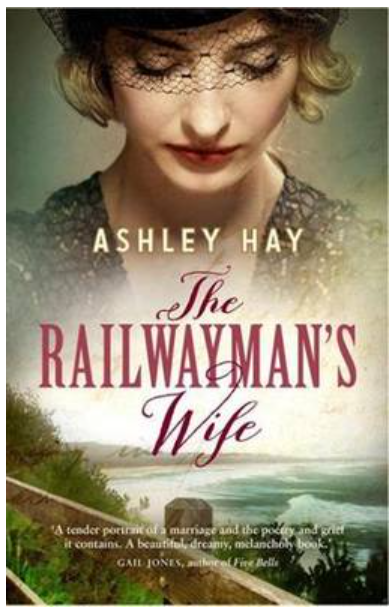
Book Review – The Railway Man’s wife by Ashley Hay

Ashley Hay’s The Railwayman’s Wife is a beautifully written, contemplative novel set in a small Australian coastal town in the aftermath of World War II. The story follows Anikka Lachlan, a librarian grappling with the sudden loss of her husband in a railway accident—a personal tragedy that echoes the broader national grief still hanging over Australia after the war.

Hay uses the quiet town of Thirroul as a microcosm of post-WWII Australia, capturing a society caught between mourning and rebuilding. Characters wrestle with physical and emotional scars, survivor’s guilt, and the search for meaning in a world forever altered by conflict. Through Ana’s growing connection to literature and community, the novel reflects how ordinary people coped with extraordinary loss during this time.

Heart warming, poignant, delicate, elegiac, and steeped in place, The Railwayman’s Wife is not just a story of personal grief, love and hope, but also, a portrait of a country learning to heal—one quiet moment at a time.

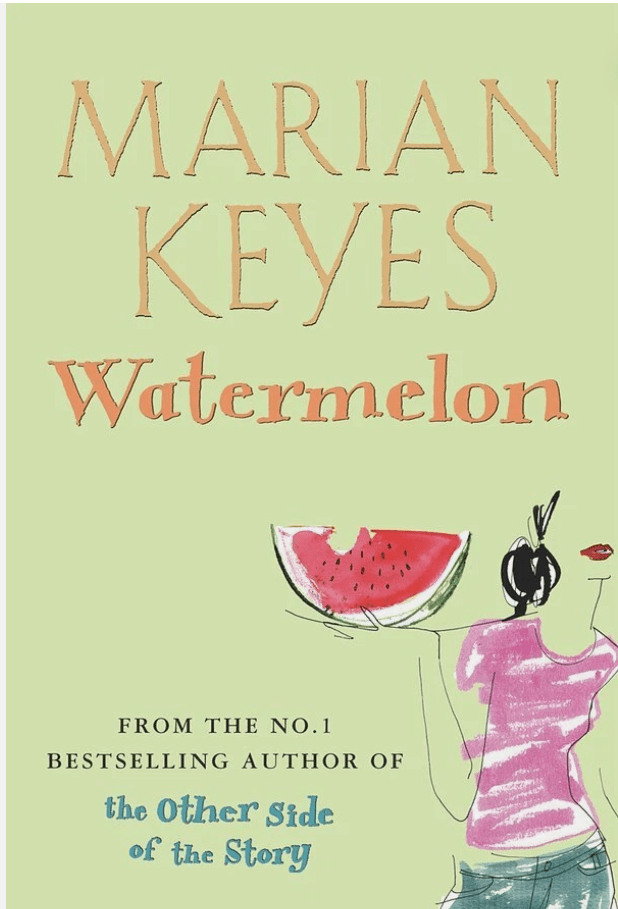
Book review – Watermelon by Marion Keys

 Watermelon was the first book published by Marian Keys. To be honest, it is not my favourite book of hers as it is stilted and very cliche.  

However, it is a lovely, light hearted romance set in Ireland. Very similar to Maeve Binchy, Keyes writes about how a husband leaves his wife after the birth of their baby. The main character Claire does make you want to slap her silly, but she does eventually realise how toxic her marriage was and moves forward in her life.  

The book is predictable and occasionally nauseating but I did like how it highlights that women are gaslit in relationships and often around childbirth and motherhood.

For those interested – Last Chance Saloon is my favourite #mariankeyes novel.