This blog post builds on ideas introduced in my earlier discussion of disciplinary literacy and vocabulary development in Language Learning and the Power of the Library. The present work extends that discussion by examining semantic mapping as an evidence informed pedagogical strategy and by considering the role of the Teacher Librarian in supporting vocabulary development across curriculum areas.
Image created by Canva.
Semantic mapping is a widely recognised pedagogical practice that enables learners to make deliberate connections between words, ideas and concepts using a visual format. Research in educational neuroscience shows that approaches which activate prior knowledge help reduce demands on working memory and support the integration of new information (Mitra and Spence 2023). When students cluster and organise vocabulary around conceptual relationships, they construct deeper and more coherent understandings of disciplinary terminology. Udaya (2022) argues that this relational organisation is central to the effectiveness of semantic mapping, as it encourages students to engage with word meaning in an active, cognitively purposeful manner. Through this process, learners are supported to apply new vocabulary confidently in both written and verbal contexts.
Vocabulary development is a cumulative process that requires repeated encounters with words across varied contexts in order for meaning to be fully understood, applied and retained. Research indicates that students who possess extensive vocabularies are better equipped to access complex academic texts and produce sophisticated analytical responses (Udaya 2022). Semantic mapping contributes to this development by activating relevant schema and creating meaningful connections between new concepts and existing knowledge. These connections facilitate the transfer of information from working memory to long term memory and reduce cognitive load, which is an essential consideration when introducing high volumes of new terminology.
The value of semantic mapping extends across all year levels and curriculum areas. It can be used to elicit prior knowledge at the beginning of a unit, to support structured note taking or to provide formative assessment opportunities that reveal students emerging conceptual understandings. Its importance becomes particularly evident in secondary schooling. Curriculum sequencing in subjects such as Humanities and Science often involves long periods between initial instruction and later revisiting of content. Students may engage with a unit at one point in their schooling and then not encounter that content again for up to two years, often at a more complex cognitive level. During this interval learners typically study numerous unrelated units, which reduces the likelihood that vocabulary from earlier study will be retained. As a result students frequently re enter familiar units with limited recall of key terms and concepts, which can inhibit progress and deepen misconceptions.
Semantic mapping offers a structured and explicit method for re establishing these conceptual networks. Its effectiveness is enhanced when combined with a Lexile levelled text set, which provides multiple texts on the same topic at varying reading levels. This approach ensures that all learners can access essential vocabulary in contexts that match their reading proficiency. By encountering the same terminology across several texts, students strengthen their understanding of word meaning and improve decoding and comprehension skills. This combination of explicit vocabulary instruction and appropriately differentiated reading material contributes to greater confidence and academic resilience in content heavy subjects.
Teacher Librarians play a central role in supporting vocabulary development and curriculum implementation within Australian schools. The Standards of Professional Excellence for Teacher Librarians, developed by ASLA and ALIA, affirm the professional knowledge, pedagogical capability and resource curation expertise that TLs contribute to school learning environments. These standards emphasise the responsibility of TLs to collaborate with teachers, design quality learning experiences and ensure that the school collection provides rich and accurate resources that align with curriculum requirements. ASLA’s work with AITSL further highlights the TL’s leadership in supporting effective teaching strategies, including approaches that foster critical and creative thinking skills (ASLA 2014, Uther and Pickworth 2014).
Within this professional framework, the Teacher Librarian is uniquely positioned to champion evidence informed strategies such as semantic mapping and to curate high quality Lexile levelled text sets that align with disciplinary vocabulary needs. By working in partnership with classroom teachers, TLs ensure that vocabulary instruction is coherent, accessible and pedagogically robust across learning areas and year levels. This collaboration supports a consistent and structured approach to disciplinary language development, which is essential for student success in increasingly complex academic environments.
References
Australian Library and Information Association, & Australian School Library Association. (2004). Standards of professional excellence for teacher librarians. ALIA/ASLA.
Mitchell, P. (2001). Standards for teacher librarians in Australia. Joint Conference of the Australian School Library Association and the Children’s Book Council of Australia.
Mitra, A., & Spence, L. (2023). Educational neuroscience for literacy teachers: Research‑backed methods and practices for effective reading instruction. Routledge.
Udaya, P. (2022). Using semantic maps as a teaching strategy for vocabulary development. European Journal of English Language Teaching, 6(5). https://doi.org/10.46827/ejel.v6i5.4095Uther, J., & Pickworth, M. (2014). Using the AITSL standards to support the TL as a leader. Australian School Library Association (ASLA)
As the scholastic year draws to a close, children and teenagers eagerly anticipate the long summer holidays filled with play, family time and relaxation. While this break is important for wellbeing, research consistently shows that it can also lead to what is known as the summer reading slump. This phenomenon refers to the decline in literacy skills that many children experience during extended school breaks. Studies have found that children can lose up to a month of learning over summer, particularly in reading and spelling, with the effect most pronounced among children from lower socio-economic backgrounds who may have limited access to books and literacy-rich environments (National Library of New Zealand, n.d.).
Evidence from New Zealand highlights the importance of structured literacy teaching in preventing this decline. A study published in the New Zealand Journal of Educational Studies determined that the impact of explicit phonics, phoneme awareness and decoding strategies can embed foundational skills deeply enough to withstand the summer gap (Vosslamber, Walker, Millar-Swan, Motha, & Gillon, 2025). This reinforces the idea that strong classroom instruction can provide a buffer against learning loss.
Alongside structured teaching, regular reading at level is critical. When children engage with texts that match their ability, they reinforce vocabulary, comprehension and decoding skills while building confidence and motivation. Reading at level prevents cognitive decline associated with long breaks from literacy activities. Research also shows that children who participate in summer reading programs are more likely to maintain or improve their literacy skills. Benefits include increased motivation, improved comprehension and stronger connections between home and school learning (Reading Eggs, n.d.).
Governments and councils are aware of the risks posed by summer learning loss, which is why many have invested in free summer reading programs. These initiatives encourage children to keep reading for pleasure and skill development during the holidays. The Brisbane City Council Summer Reading Program, for example, offers fun challenges, rewards and community engagement to keep children motivated throughout the break (Brisbane City Council, n.d.). Programs like these not only support literacy but also foster a love of reading that lasts well beyond the summer months.
At my school, we have taken this one step further by setting up a summer reading challenge for both staff and students in the form of bookmarks. Students were given bookmarks that encouraged them to read a funny book, a book with a hero, a book by an Australian author and a book with an animal character.
Staff were challenged to read a book that made them laugh, one that made them cry, a book that gave hope and one recommended by a friend. This shared challenge not only promotes literacy but also builds a sense of community, with staff and students alike engaging in conversations about their reading choices and discovering new perspectives together.
The summer holidays should be a time of joy, but they do not have to mean a setback in learning. With structured teaching approaches, regular reading at level, community programs that make books accessible and fun, and school-based initiatives like reading challenges, children and adults alike can return to school inspired and ready to thrive. The evidence is clear: consistent engagement with reading is one of the most effective ways to prevent the summer slump and ensure that literacy skills continue to grow.
Suggestions for Teachers and Parents
Encourage children to read daily, even for short periods, with books that match their reading level.
Provide access to a variety of texts, including humorous stories, adventure tales, and culturally relevant works.
Model reading behaviour by sharing your own reading experiences and discussing books together.
Participate in local library programs or community reading initiatives to maintain motivation.
Create family reading routines, such as bedtime stories or shared reading times, to embed literacy into everyday life.
Celebrate reading achievements with small rewards or recognition to sustain enthusiasm.
Vosslamber, A., Walker, J., Millar-Swan, A., Motha, J., & Gillon, G. (2025). The impact of Better Start Literacy Approach teaching on the retention of children’s early literacy skills over the summer holidays. New Zealand Journal of Educational Studies, 60(3), 435–449. https://doi.org/10.1007/s40841-025-00405-2
Coming-of-age novels have long held a central place in literature, offering rich terrain for both personal reflection and academic exploration. For educators working with adolescents, these texts are more than just stories—they are mirrors and windows into the complex journey of growing up. This post explores why coming-of-age literature resonates so deeply with teenagers, why it matters in the curriculum, and how educators can harness its potential to foster empathy, identity formation, and critical thinking.
Bildungsroman
Adolescence is a period marked by emotional intensity, identity exploration, and social upheaval. Coming-of-age novels, also known as bildungsroman, capture this liminal space with authenticity and nuance. Teen readers often see themselves reflected in protagonists who grapple with similar dilemmas: family conflict, peer pressure, romantic entanglements, and the search for purpose. These narratives validate the adolescent experience, offering reassurance that their struggles are not isolated but part of a universal human journey.
Moreover, the first-person perspective common in young adult fiction allows readers to inhabit the protagonist’s inner world. This immersive quality fosters emotional resonance and encourages teens to reflect on their own values, choices, and aspirations. As Biscontini (2024) noted, coming-of-age literature “provides young people with a relatable experience while offering adults a sense of nostalgia,” and often centres on the loss of innocence, self-discovery, and the struggle to adapt to societal expectations.
Why They Matter in the Curriculum
From a pedagogical standpoint, coming-of-age novels are invaluable tools for teaching literary analysis, thematic exploration, and cultural literacy. These texts often engage with issues such as race, gender, class, and mental health: topics that are both timely and timeless. By studying these works, students develop empathy and gain insight into diverse lived experiences.
Importantly, coming-of-age literature also supports identity development. For students from marginalised backgrounds, seeing characters who reflect their realities can be empowering. For others, these stories offer a chance to understand perspectives different from their own. As such, these novels contribute to a more inclusive and socially aware classroom environment (Federation of Egalitarian Communities, 2024).
Why Choosing the Right Text Matters—Especially for Boys.
“Puberty is merciless. Regardless of who you are,” Becky Albertalli in Simon vs. the Homo Sapiens Agenda
This sentiment that captures the emotional turbulence of adolescence with striking clarity. For boys, this period can be particularly complex, often shaped by conflicting expectations around masculinity, emotional restraint, and identity formation.
Potential reads
Choosing the right coming-of-age texts for boys is not merely about fostering a love of reading. It is about offering them tools for emotional literacy, ethical reasoning, and self-reflection. These stories help boys navigate moral ambiguity, understand the consequences of choices, and appreciate the nuances of human relationships. Crucially, they provide a safe space to explore vulnerability, fear, and belonging, which often occur before boys feel equipped to express these experiences in their own words.
Selecting texts that feature emotionally authentic male protagonists, whether they be sensitive, conflicted, resilient, or flawed; can disrupt narrow stereotypes and expand boys’ understanding of what it means to grow up. When boys see themselves reflected in literature, or encounter perspectives that challenge their assumptions, they are more likely to engage deeply and critically.
Incorporating well-chosen coming-of-age novels into the curriculum also supports literacy outcomes. The relatability of the content increases motivation, while the layered narratives encourage boys to interpret symbolism, character development, and thematic complexity. With the right texts, educators can foster not only stronger readers, but more thoughtful, empathetic young men.
How Students Socially Learn from Narrative Fiction
Recent research by Gasser, Dammert, and Murphy (2022) offers a compelling framework for understanding how children socially learn from narrative fiction. Their integrative review identifies three distinct mechanisms:
Getting the Lesson – where children extract and internalise explicit moral messages from the text.
Simulating Social Worlds – where readers imaginatively engage with fictional characters, enhancing empathy and perspective-taking.
Dialogic Inquiry – where students develop social reasoning through peer dialogue about complex sociomoral issues raised in fiction.
This framework is particularly relevant for educators designing literature programmes that go beyond comprehension and into the realm of ethical inquiry and emotional intelligence. It supports the use of coming-of-age novels as tools for cultivating sociomoral competencies in the classroom.
Key Texts – Australian Coming of Age stories for Boys
Australian literature offers a rich and diverse array of coming-of-age narratives that speak directly to local contexts, landscapes, and cultural tensions. There are wide range of novels that can be utilised effectively in the classroom, however, these texts are particularly valuable for fostering national literary literacy and connecting students with stories that reflect their own communities.
Jasper Jones by Craig Silvey
Boy Swallows Universe by Trent Dalton
I am not really here by Gary Lonesborough
Rowan of Rin by Emily Rodda
Breath by Tim Winton
The first third by Will Kostakis
Scartown by Tristan Bancks
The Sidekicks by Will Kostakis
Ready when you are by Gary Lonesborough
Key Texts: Classic Coming-of-Age Novels
These canonical works have shaped the genre and continue to offer profound insights into the human condition. They are ideal for comparative studies and historical context.
David Copperfield by Charles Dickens
The Picture of Dorian Gray by Oscar Wilde
The Catcher in the Rye by J.D. Salinger
The Adventures of Huckleberry Finn by Mark Twain
To Kill a Mockingbird by Harper Lee
The Outsiders by S. E. Hinton.
Key Texts: Modern Coming-of-Age Novels
Contemporary novels reflect the evolving challenges faced by today’s youth, including cultural identity, mental health, activism, and global conflict. These texts are especially relevant for engaging students in current social discourse.
Gasser, L., Dammert, Y., & Murphy, P. K. (2022). How do children socially learn from narrative fiction: Getting the lesson, simulating social worlds, or dialogic inquiry? Educational Psychology Review, 34(3), 1445–1475. https://doi.org/10.1007/s10648-022-09667-4
Sun, X. (2024). Teaching young adult literature in secondary L2 classrooms: A case study of The Outsiders reading programme. The Language Learning Journal, 52(3), 233–254. https://doi.org/10.1080/09571736.2022.2107694
The use of complex texts in education is crucial, as relying solely on traditional textbooks can hinder diverse learners due to varying literacy levels. Implementing text sets alongside explicitly taught reading strategies fosters better comprehension and learning outcomes by providing multiple access points for students to engage with the material effectively.
Reading between the lines – Supporting literacy text sets and explicit instruction.
The use of complex texts for learning is a well-established pedagogical practice, and therefore, the selection of appropriate texts is an integral part of teaching and learning. Traditionally, textbooks and single origin resources have been a staple in classrooms, but the use of a singular resource can be problematic in an environment with significant variation in literacy levels and background knowledge (Cervetti & Hiebert, 2019; Lupo et al., 2019). This concern is because disparity between various students’ abilities can limit learning outcomes because access is an issue. As a constructivist approach to learning and an extension of literary learning, text sets are an effective pedagogical practice that supports student learning and develops literacy capacity in a diverse classroom. The efficacy of this classroom practice can be further supported with explicitly taught ‘reading for meaning’ strategies as it increases the number of access points students have to the text and therefore, positively impacts literacy, reading comprehension and learning outcomes.
Read more of what my presentation was centred on at the National Education Summit (Brisbane).
The selection of texts is an intrinsic part of education, yet finding appropriate and authentic resources that meet the needs of a diverse classroom can be very challenging for classroom teachers (Cervetti & Hiebert, 2019; Lupo et al., 2019). This difficulty arises from a combination of poor literacy skills, reading reluctance and academic disinterest, which has forced teachers to seek additional methods to facilitate learning (Elish-Piper et al., 2014, p.565). Theoretically similar to literary learning, text sets are collated using learning outcomes, curriculum links or themes and seek to develop literacy, language and learning in a social context (Derewianka, 2015). This strategy is an effective literacy tactic that addresses teacher concerns as well as meets the needs of a diverse classroom, develops critical thinking, promotes multimodal literacy, collaborative learning, and can be successfully integrated across the curriculum.
Definition
Text sets are a range of resources that is designed for collaborative learning and is specifically curated to address a learning outcome for a cohort of students (Beck, 2014, p. 13). At its most basic form, text sets are composed of four different textual elements and can be physical, digital or multimodal in nature (Hoch, et al., 2018, p. 701). The efficacy of text sets is increased in social learning environments as it is designed for collaborative learning groups (Beck, 2014, p.13). Like literary learning, text sets use a variety of genres to give students a diverse perspective, but their difference is in that literary learning uses entire pieces of literature to facilitate learning, whereas text sets are collated extracts that will vary in length, literacy level and structure (Beck, 2014, p.13). The first element, or main text, is aimed at the median class cohort literacy and contains most of the relevant information, with the remaining sets used to support the targeted text’s comprehension (Lewis & Strong, 2020, p.47). These sets should include a motivation component in a digital, visual or interactive format; an informational portion that provides additional background knowledge; and an accessible element drawn from popular culture (Lewis & Strong, 2020, p.47). It is important to note that for teenagers, it is the accessible text that the students use to make connections between themselves, the text and their world, thus placing the learning in that essential third space (Elish-Piper, 2014, p.565; Lewis & Strong, 2020, p.47).
Theory
Text sets and literary learning are an extension of Vygotsky’s and Halliday’s theory that language, literacy and learning develops in a social context (Derewianka, 2015). This theory, known as genre theory acknowledges that each genre has its own format and thus will showcase different aspects so that students are able to discourse in greater depth on the subject matter (Derewianka, 2015). Historically single class texts have been used as a foundation for student learning in the form of textbooks and class novels. But this dynamic is problematic in a modern classroom as the average Australian classroom contains a range and breadth of abilities and needs and textbooks are generally aimed at a specific year level (Beck, 2014, p.12). The other pertinent issue is that students are unable to perceive multiple perspectives from a single text viewpoint and this is particularly salient for the teaching and learning of history and science, where bias and perspectives can have significant impact on the reader (Beck 2014, p.12).
Benefits
There are several literacy benefits to the incorporation of text sets in pedagogical practices. These include, increasing reading volume, improving text diversity, the provision of covert scaffolding, as well as expanding perspectives and connections (Lewis & Strong, 2020, p.41; Lupo et al., 2019; Elish-Piper et al., 2014). A notable positive of text set usage is that it increases the reading volume. Many teachers minimise reading by providing textless information in the form of powerpoints to reduce the cognitive load of their students. Unfortunately, the removal of texts is detrimental to literacy development, as reading volume is correlated to comprehension, vocabulary knowledge, disciplinary literacy as well as reading stamina (Lewis & Strong, 2020, p.41).
Text diversity is a natural consequence of text sets as the inclusion of literary fiction and fictional narratives introduce students to new and complex concepts and perspectives in a storytelling format; whereas informational texts scaffold students with additional background information for understanding challenging concepts (Derewianka, 2015; Elish-Piper et al., 2014, p. 567). Diversity in texts also exposes students to varying forms of literature that they may not normally experience, which in itself promotes literacy development (Lupo et al., 2019, p.514). Another merit is that text sets increase the number of connections a student will make with the text and thus increase their overall comprehension and understanding of the content within the text (Lewis & Strong, 2020, p.43).
Impact
Text sets align with Australian educational values as they are child centred and constructivist in nature as students are required to utilise a span of literacy strategies to construct and compose their own meaning (Elish-Piper et al., 2014, p. 567). This construction of meaning occurs in two steps. Firstly, the variety and range of texts increase the number of connections between students and the texts, and thus allows them to go past the alphabet and construct their own knowledge (Lewis & Strong, 2020, p.44). Secondly, the explicit instruction of literacy strategies before, during and after reading the texts promotes analysis and coalescence of the information within the texts. Teachers can facilitate reconciliation of prior and new knowledge by requiring students to compose their own analysis, discussions, evaluation, or summarisation (Lewis & Strong, 2020, p.49). These compositions allow students to engage in low stake writing which increases their ability to make connections and construct their own meaning from the texts (Werder, 2016). They also offer valuable opportunities for formative assessment and student feedback. In fact the greatest educational benefit arises from the explicit instruction of literacy strategies whilst using the text sets in a student centred manner (Lewis & Strong, 2020, p.41; Lupo et al., 2019, p.520). This shows that text sets can be effectively administered and utilised across the curriculum to effectively teach content and bolster literacy and improve learning outcomes.
Example 1: SCIENCE
The use of text sets in science classrooms has significant benefits for teaching and learning (Manie, Mabin & Liebenberg, 2018, p.389). Science textbooks often contain information at a superficial level and their format does not take into concern the developmental age of students (Lewis & Strong, 2020, p. 43). Their information overloaded pages often overwhelm low ability students, and the lack of varied viewpoints minimise opportunities for critical thinking (Lewis & Strong, 2020). The inclusion of text sets in classroom practice provides the students with a range of viewpoints and experiences, as well as engaging disinterested students, developing critical thinking, connecting students to the curriculum and improving disciplinary literacy (Lewis & Strong, 2020; Mania, Mabin & Liebenberg (2018).
Critical thinking in particular is increased when literary texts are used because it encourages students to develop empathy, use their imaginations to explore various perspectives and challenge what is considered normal (Mania, Mabin & Liebenberg, 2018, p.391). In particular, the use of science fiction text extracts allows teachers to combine storytelling with factual science to increase student engagement with the content, provide information in diverse formats and encourage students to envisage future scientific possibilities and their effect on society (Mania, Mabin & Liebenberg, 2018, p.391; Creighton, 2014). This is because science fiction highlights the human response and how science and technologies can be used and misused. The most famous of all these science prophets was Jules Verne who imagined space, underground and underwater exploration in the mid 1800’s. His fictional journeys to the bottom of the ocean, centre of the earth and other space broke social norms and spurred others into creating innovative machines over the past two centuries. Kay (2012) points out that Verne’s scientific calculations in his journey to the moon were only marginally different from the correct calculations of Apollo 11. Whereas, non fiction narratives such as Shetterly’s Hidden Figures (2016) shows how women can challenge racial and gender stereotypes in STEM courses.
Science Example 1 – Science – Space Travel as a Human Endeavour
Science text set 2 – Science – Forces and motion
Example 2: English
Novel studies in English could be greatly advantaged by the inclusion of text sets. A single class text for a novel study can be simultaneously daunting to low literacy and low ability students, and great frustration to advanced and adept readers. The other issue is that many students lack sufficient background knowledge to fully understand the author’s intent, themes and storyline. Text sets have the ability to put the novel and author’s intent into context as well as provide important background information that allows the student to make sense of the textual components. Harper Lee’s “To kill a mockingbird’’ and Shakespeare’s “Macbeth” can be very challenging for students to comprehend, but the inclusion of text sets allows students to develop that prior knowledge and make those valuable connections to improve overall engagement and understanding of the novel (Lewis & Strong, 2020, p.46). Including information about segregation in the American south or Jim Crow’s laws, a brief biography of Rosa Parks or even an extract from Martin Luther King Jr’s “I have a dream” speech would help place Lee’s novel in context. Likewise, using Woodward and Bernstein’s “All the President’s men” with “Macbeth” would help put the classic text into context of political power and corruption and interestingly, Howell (2016) suggests that embedding nonfiction such as the science of psychosis, hallucinations and sleepwalking, as well as Jacobean era misogyny with further support students trying to understand the plot to a deeper level.
Whilst there is evidence illustrating the efficacy of text sets in the study of literature, there are some teachers who believe that the study of an individual text is in itself a developmental milestone and an important reading experience. Whilst this is true, Lewis and Strong (2020) do point out that a single viewpoint reduces the number of meaningful connections made, and therefore minimises the variety of human perspectives that can be experienced (p.43). Therefore, the use of text sets in an English classroom allows the teacher to use more complex and challenging texts for their practice, as they are able to scaffold them appropriately and thus ultimately improve the overall literacy ability of their students.
Novel Study Year 10 Learning outcomes:
Compare and evaluate a range of representations of individuals and groups in different historical, social and cultural contexts (ACELT1639
Evaluate the social, moral and ethical positions represented in texts (ACELT1812
Identify, explain and discuss how narrative viewpoint, structure, characterisation and devices including analogy and satire shape different interpretations and responses to a text(ACELT1642
Analyse and evaluate text structures and language features of literary texts and make relevant thematic and intertextual connections with other texts (ACELT1774
Text analysis: Biographies and Memoirs
Year 10 Learning outcomes:
Understand how language use can have inclusive and exclusive social effects, and can empower or disempower people (ACELA1564
Analyse and explain how text structures, language features and visual features of texts and the context in which texts are experienced may influence audience response (ACELT1641
Identify, explain and discuss how narrative viewpoint, structure, characterisation and devices including analogy and satire shape different interpretations and responses to a text (ACELT1642
Understand that people’s evaluations of texts are influenced by their value systems, the context and the purpose and mode of communication – ACELA1565
Analyse and evaluate text structures and language features of literary texts and make relevant thematic and intertextual connections with other texts (ACELT1774
Identify and explore the purposes and effects of different text structures and language features of spoken texts, and use this knowledge to create purposeful texts that inform, persuade and engage (ACELY1750
Identify and analyse implicit or explicit values, beliefs and assumptions in texts and how these are influenced by purposes and likely audiences (ACELY1752
This text set was constructed very differently. Most of the students selected a biography or memoir and were asked to analyse the way the text empowered the reader and how it conveyed meaning about the individual’s life and values. However, there were several students with low literacy and therefore did not have the skills to sufficiently interact with the text in a meaningful manner. The decision was made to curate a booklet with collated extracts from a biography of their choice and supported with additional resources for greater understanding of the text.
Example 3:
The humanities or social studies would greatly benefit from the inclusion of text sets. This is because many expository texts can be very dry and unappealing for the modern student that craves narratives and visualisation (Batchelor, 2017, p.13). As literary learning is already a part of this learning area, teachers are more receptive to utilising text sets as part of pedagogical practices. In particular the inquiry component of the History curriculum scope and sequence allows for the inclusion of information through disciplinary and inquiry sources because they promote critical analysis and evaluation (Lupo et al., 2019, p. 519). Picture book extracts are useful in text sets for History classrooms as they provide meaning through illustrations and imagery. This is especially useful for EALD (English as an additional language or dialect) students and those with low literacy as they are able to use the illustrations to make connections with the content and increase comprehension of the information presented (Batchelor, 2017; NSW DET, (2020).
There is a plethora of literary texts that can be effectively used within text sets. Picture book examples include, Pascoe’s Young Dark Emu (2019), Barbara Knox’s Forbidden City (2006), Gouldthorpe’s The White Mouse (2015), and Zee & Innocenti’s Ericka’s Story (2013), whereas Spiegelman’s Maus (1991) is a fantastic Holocaust source for teenagers about the Holocaust. Other texts of value include Anne Franks’ Diary (1947), Kokoda (2004) by Peter FitzSimons, Simpson and his donkey (2008) by Greenwood, The Rabbits (2008) by Marsden and Pemulway, and The Rainbow Warrior (1988) by Willmot to name a few. Interestingly, Lannin (2020) suggests the use of poetry in text sets as it asks students to look beyond the text and into the imagery that it offers. This means that plays, songs and poems such as Manning’s Close to the bone (1994), Roach’s Took the Children away (1989) and Mackella’s My country (1904) would be useful additions to multidimensional text sets (Lannin et al., 2020).
Contraindications:
Even though there is sufficient information available as to the efficacy of utilising text sets as part of pedagogical practices for a diverse classroom, there are detractors with their concerns. These reluctant teachers feel that there is insufficient time to use literature and literacy strategies due to pressing and continuous assessment (Balkus, 2019, p.25). But their fears are misplaced. Students are still able to gain content knowledge from literary sources and at the same time, bolster their own literacy abilities and cognitive processes (Derewianka, 2015; Balkus, 2019, p.25).
Conclusion:
The inclusion of text sets has many benefits within a diverse classroom. It utilises a compilation of resources to heighten background knowledge, improve student engagement, ameliorate literacy and increase textual comprehension (Lewis & Strong, 2020, p.41). Whilst the benefits are easily visible with text diversity, the greatest educational benefit arises from the explicit instruction of literacy strategies whilst using the text sets in a student centred manner (Lewis & Strong, 2020, p.41; Lupo et al., 2019, p.520). This shows that text sets can be effectively administered and utilised across the curriculum to effectively teach content and bolster literacy and improve learning outcomes.
REFERENCES:
Balkus, Brenna C. (2019). Utilizing Text Sets To Teach Critical Literacy: Bringing Literacy Into The Social Studies Middle School Classroom. School of Education Student Capstone Projects. Retrieved from https://digitalcommons.hamline.edu/hse_cp/309
Beck, P. (2014). Multigenre Text Set Integration: Motivating Reluctant Readers Through Successful Experiences with Text. Journal of Reading Education, 40(1), 12–19. CSU Library.
Cervetti, G.N., & Hiebert, E.H. (2019). Knowledge at the center of English language arts instruction. The Reading Teacher, 72(4), 499–507. https://doi.org/10.1002/trtr.1758
Derewianka, B. (2015). The contribution of genre theory to literacy education in Australia. In J. Turbill, G. Barton & C. Brock (Eds.), Teaching Writing in Today’s Classrooms: Looking back to looking forward (pp. 69-86). Norwood, Australia: Australian Literary Educators’ Association. Retrieved fromhttps://ro.uow.edu.au/cgi/viewcontent.cgi?article=2620&context=sspapers
Hoch, M., McCarty, R., Gurvitz, D. & Sitkoski, I. (2019). Five key principles: guided inquiry with multimodal text sets. The Reading Teacher 72 (6) pp701-710. International Reading Association CSU Library.
Lannin, A., Juergensen, R., Smith, C., Van Garderen, D., Folk, W., Palmer, T., & Pinkston, L. (2020). Multimodal text sets to use literature and engage all learners in the science classroom. Science Scope, 44(2), 20–28.
Lewis, W., & Strong, J. (2020). Chapter 3 – Designing content area text sets. In Literacy Instruction with Disciplinary Texts: Strategies for Grades 6-12. Guildford Publications. CSU Library.
Lupo, S., Berry, A., Thacker, E., Sawyer, A., & Merritt, J. (2019). Rethinking text sets to support knowledge building and interdisciplinary learning. International Literacy Association 73 (4). Pp. 513-524. CSU Library. DOI:10.1002/trtr.1869
Lupo, S., Strong, J., Lewis, W., Walpole, S., & McKenna, M. (2017). Building background through reading; Rethinking text sets. Journal of Adolescent and Adult Literacy 61(4), p.433-444. https://doi-org.ezproxy.csu.edu.au/10.1002/jaal.701
Pennington, L. K., & Tackett, M. E. (2021). Using Text Sets to Teach Elementary Learners about Japanese-American Incarceration. Ohio Social Studies Review, 57(1), 1–14.
Mania, K., Mabin, L.K., & Liebenberg, J. (2018). ‘To go boldly’: teaching science fiction to first-year engineering students in a South African context. Cambridge Journal of Education48 (3), pp389–410, https://doi.org/10.1080/0305764X.2017.1337721
Graphic Organisers in Inquiry Learning – Facilitating the critical thinking process.
Figure 1. (ACARA, 2016) Critical and Creative Thinking.
The ability to pose a question is clearly detailed in ACARA (2016) General Capabilities – Critical and Creative Thinking as a stimulus to learning. Students are challenged to create a rigorous question that can be challenged, examined and analysed to provide useful information for the investigator to draw a conclusion (Rattan, Anand & Rantan, 2019; Werder, 2016; Aslam & Emmanuel, 2010). Werder (2016) in particular argues that inquiry questions need to contain specific disciplinary languages and parameters that define the depth and breadth of the learning experience. Unfortunately, many of the questions constructed by students fall short of this standard because they struggle in developing inquiry questions that are sufficiently open-ended for further investigation, yet within the parameters of their task. This quagmire led to the discussion of using a graphic organiser to scaffold the students into forming an appropriate inquiry question.
Figure 1 – ACARA (2016) Critical and creative thinking continuum.
Theory of Graphic Organisers – Framework for critical thinking.
Language, literacy and learning are greatly improved when graphic organisers are used as they allow for the collection, curation and construction of information in categorical, comparative, sequential or hierarchical organisation (Ilter, 2016, p.42; Lusk, 2014, p.12). Graphic organisers are a constructivist approach to learning because the chart encourages students to write as a method of constructing their knowledge, and can be used to introduce a topic, activate prior knowledge, curate information, connect ideas and concepts, as well as visually present information and assess student understanding (Cox, 2020; Lusk, 2014). They are effective across all year levels, curriculum areas, as well as in educational, personal or professional spheres of life as their efficacy lies in their structure (Cox, 2020). Graphic organisers are diverse and can range from maps, diagrams, tables, and charts, with venn diagrams, concept maps, tables and T-charts are the most frequently used in classroom settings (Cox, 2020).
Graphic organisers allow for the holistic understanding of a topic by allowing challenging concepts to be displayed in a meaningful manner (Lusk, 2014, p.11). Students are able to visually see the breadth and depth of their learning and this can be particularly useful for scaffolding more challenging concepts or to assist low ability students. This visual organisation is especially important for disciplinary literacy development, accumulation of knowledge and the comprehension of challenging concepts (Werder, 2016, p.2; Ilter, 2016, p.42).
Science Learning Outcomes:
Science as Human Endeavour
Solutions to contemporary issues that are found using science and technology (ACSHE135)
People use science understanding and skills in their occupations and these have influenced development in areas of human activity (ACSHE136)
Science Inquiry:
Identify questions and problems that can be investigated scientifically and make predictions based on scientific knowledge (ACSIS139)
The year 8 guided inquiry unit was constructed collaboratively between the Science team leader RW and the Teacher librarian. The goal was to scaffold the students into creating inquiry questions that were of a high standard within the defined boundaries of the task. The Teacher Librarian conceived the idea of using a graphic organiser, and then worked collaboratively with the Science Team Leader to frame and integrate the questions within the chart. The end result was a chart that used a layer of questions to build connections between prior knowledge and new information; before narrowing down to identifying relevant disciplinary literacy which is then used to formulate the scientific inquiry question. As many of the science teachers were unfamiliar with the GID process, a joint decision was made by the Teacher librarian and the Science team leader that certain sections of the inquiry would be team taught by the classroom teacher and a teacher librarian. The entire year 8 science cohort of ten classes utilised the library for five consecutive lessons each. This collaborative practice supported both the teacher in their practice and the student in their learning.
English Learning Outcomes:
Explore the ways that literary texts drawn from different historical, social and cultural contexts may reflect or challenge the values of individuals and groups (ACELT1626)
Recognise and explain differing viewpoints about the world, cultures, individual people and concerns represented in texts (ACELT1807)
Interpret and analyse language choices, including dialogue and imagery in short stories, literary essays and plays (ACELT1767)
The success of the Science modified lotus chart inspired the English team leader CB to create a similar one but instead of using a single layer of questioning, CB decided the students needed to funnel down from a broad focus to a narrow focus before coming to their inquiry question. This meant that students were asked to look deeper into the various perspectives of Shakespeare’s World and then pose a series of questions before arriving at their main inquiry question. At this point the students were familiar with the concept of inquiry learning but there was still some uncertainty from the classroom teachers. Therefore, the English team leader CB suggested that the classes be brought to the library so that they could be supported by the teacher librarians. Unfortunately, there was less uptake from the English department in comparison to the science team, and this meant only a few teachers were willing to work collaboratively in a flexible learning space.
For both the Year 8 inquiry tasks, the modified lotus chart was integrated into the learning journal and included questions of varying cognitive levels to scaffold learning, promote metacognition, elicit writing for meaning, and facilitate the formulation of a robust inquiry question (Tofade, Elsner & Haines, 2013). Most students received the standard chart and questions, but those with additional needs were offered supplementary cognitive scaffolding, and highly adept students were given the opportunity to create their questions for a self-directed approach (Lusk, 2014, p.12). The integration of questioning increased the success of the inquiry task as it promoted metacognition, differentiated the learning, minimised accidental sedge ways, developed disciplinary vocabulary and allowed students to stay within the learning goal parameters. Another advantage is that the questions within the chart were task, rather than subject specific, which meant that students were able to engage in learning based on their own interests rather than predetermined topics (Werder, 2016).
Evaluating the impact of the graphic organiser on the learning process.
SCIENCE INQUIRY TASK –
The student’s ability to create a question that was specific, yet with enough depth to allow for an open-ended investigation was assessed both informally and formally. Initially, the question was informally assessed by the classroom teacher and teacher librarian for its suitability before the students could proceed to the next step in their inquiry task. In most circumstances, the question that was too broad and or too difficult for students to investigate successfully in their limited time frame. This meant that students were asked to go back and use the questions to extend their thinking processes and narrow down their investigation parameters. They also had to clearly illustrate their cognitive process through their modified lotus graphic organiser as part of their formal and summative assessment of learning identified within the task rubric. Anecdotal evidence from classroom teachers suggests that students seemed more prepared, and their questions were of a higher quality in comparison to previous years where there was no graphic organiser used.
ENGLISH INQUIRY TASK –
The English inquiry question was also informally assessed by the classroom teacher and the teacher librarian to their suitability during class time. Like the science inquiry task, students used the modified lotus to formulate a question that was narrow enough to be completed within the time frame, but yet open-ended enough to investigate. The main difference between the two inquiry tasks was that the English chart requested students use two levels of questioning to develop their inquiry question. This proved to be more problematic than requesting disciplinary literacy from the middle layer, as students often needed guidance to understand that they were supposed to narrow into specifics at that point. This confusion was exacerbated by the fact the English task immediately followed the science inquiry but the change in lotus chart format caused some teacher and student anxiety. In similar circumstances to the Science inquiry, the questions formulated by the students were of a higher quality than when the modified lotus graphic organiser was not included.
Reflection of learning process
The inclusion of a modified lotus chart with an embedded line of questioning was a crucial factor in the student’s ability to formulate a suitable inquiry question because it allowed for the clear visualisation of parameters, alternative perspectives and integrated essential disciplinary literacy. It enabled students to effectively plan their investigations, identify gaps in their own reasoning, organise their thinking process and reflect upon their learning. The chart also mitigated teacher anxiety about unaddressed learning outcomes and unexpectedly promoted low stakes writing.
Many classroom teachers were concerned that a student centred inquiry task would lead to tangent investigations and lost learning outcomes. However, the modified lotus diagram allowed teachers to guide their student’s learning by using the questions to lead the students directly to the desired learning outcomes and the formulation of an appropriate question and investigation. Anecdotal evidence showed that previously reluctant teachers were satisfied with this process and were amenable to using a modified lotus for future inquiry investigations.
One of the unexpected advantages that the modified lotus diagram provided was the students were able to engage in low stakes writing. Werder (2016) points out that writing in schools is often a high stakes activity as students are often required to know the information prior to being questioned in settings, such as within exams and assignments. Cunningham (2019) elaborates upon this and calls it ‘writing to show learning’ but points out that rarely do students get to engage in ‘writing to learn’ (p.76). This means that students are seldom given opportunities to engage in writing that allows them to promote critical thinking, build content knowledge and make meaning in environments that are context rich, and situational without the pressure of assessment (Cunningham, 2019, p.79). This can be particularly an issue in high schools where students are less likely to participate in free writing. Therefore by integrating a modified lotus graphic organiser into an inquiry task, teachers are encouraging to develop their cognitive strength by connecting concepts, making meaning and creating new knowledge (Cunningham, 2019; Werder, 2016, p. 2).
Conclusion
The inclusion of a modified lotus diagram with an embedded line of questioning was very beneficial to both the faculty staff members and the students. It increased the quality of inquiry questions because the graphic organiser allowed the students to develop an understanding of the topic, which then led to a creation of a question that can be challenged, examined and investigated more deeply. The format of the diagram also ensured that the students developed disciplinary literacy and addressed the learning outcomes as required. Interestingly, the unexpected outcome of low stakes writing proved to be very beneficial to the learning process and as such, future graphic organisers will be constructed to provide ample writing space.
Andrini, V.S. (2016). The effectiveness of inquiry learning method to enhance student’s learning outcome: A theoretical and empirical review. Journal of Education and Practice 7(3). https://files.eric.ed.gov/fulltext/EJ1089825.pdf
Aslam, S., & Emmanuel, P. (2010). Formulating a researchable question: A critical step for facilitating good clinical research. Indian journal of sexually transmitted diseases and AIDS, 31(1), 47–50. https://www.ncbi.nlm.nih.gov/pmc/articles/PMC3140151/
Ilter, I. (2016). The power of graphic organisers: Effects on students’ word learning and achievement emotions in social studies. Australian Journal of Teacher Education 41(1), p42-64.
Lusk, K. (2014). Teaching High School Students Scientific Concepts Using Graphic Organizers. Theses, Dissertations and Capstones. 895. https://mds.marshall.edu/etd/895
Maxwell, S. (2008). Using rubrics to support graded assessment in a competency based Environment. National Centre for Vocational Education Research. Commonwealth of Australia – Department of Education, Employment and Workplace Relations. https://www.ncver.edu.au/__data/assets/file/0012/3900/2236.pdf
Quigley, C., Marshall, J., Deaton, C.C.M., Cook, M.P., & Padilla, M. (2011). Challenges to inquiry teaching and suggestion for how to meet them. Science Education (20) 1; p55-61. Retrieved from https://files.eric.ed.gov/fulltext/EJ940939.pdf
Ratan, S. K., Anand, T., & Ratan, J. (2019). Formulation of Research Question – Stepwise Approach. Journal of Indian Association of Pediatric Surgeons, 24(1), 15–20. https://doi.org/10.4103/jiaps.JIAPS_76_18
Stone, E. (2014). Guiding students to develop an understanding of scientific inquiry: A science skills approach to instruction and assessment. CBE Life Science Education 13 (1): pp90-101. https://www.ncbi.nlm.nih.gov/pmc/articles/PMC3940468/
Tofade, T., Elsner, J., & Haines, S. T. (2013). Best practice strategies for effective use of questions as a teaching tool. American journal of pharmaceutical education, 77(7), 155. https://doi.org/10.5688/ajpe777155
Wilson, N.S., & Smetana, L. (2011). Questioning as thinking: a metacognitive framework to improve comprehension of expository text. Literacy 45(2). UKLA.
Zion, M., & Mendelovici, R. (2012). Moving from structured to open inquiry: Challenges and limits. Science Education International 23(4): p383-399. International Council of Associations for Science Education. Retrieved from https://files.eric.ed.gov/fulltext/EJ1001631.pdf
Society has always approved of vigorous discussion regarding books. Book clubs, reading circles and literature groups, are places where people, mostly adults, meet to discuss classic novels or the latest best seller. These discussions facilitate a shared understanding of the text, which increases comprehension, pleasure and aesthetic motivation (Woodruff & Griffin, 2017, p.108). Known as a reader response method, literacy circles seek to challenge the reader to interpret the text through their own lens, such as their perspectives, knowledge and viewpoints, to make meaning from what they are reading (Woodruff & Griffin, 2017, p.108). As a response strategy to literature, literature circles require the reader to critically analyse the text and justify their reasoning (Woodruff & Griffin, 2017, p.108).
Whilst discourse does occur in disciplines that participate in research and further study, it is rare for the general public to meet and discuss information texts or nonfiction. This can prove to be detrimental as much of life involves the interpretation or making meaning from texts (Daniels, 2002; Woodruff & Griffin, 2017, p.108). There are two main benefits for including literature circles within a high school classroom. The first and main benefit is that it is an excellent literary strategy that captures how a reader responds to a text. The other main reason is that it fosters collaborative learning (Bedel, 2016).
High school literature circles (LC) are structured similarly to adult book clubs. They consist of small groups of students sharing discourse about a specific text (Daniels, 2002). Bedel (2016) describes literature circles as places where students are able to practice their communications skills and improve their reading strategies (p.96). Predominantly used as a tool to investigate fiction, LC can also be used to investigate narrative nonfiction, news articles, journals, reports, essays, exposes, memoirs and information books across all disciplines (Daniels, 2002, p.7). Daniels (2002) cautions the use of reference books and school textbooks within LC as they are not suitable (p.10). Their prescriptive nature means that they forgo narrative and literary features, and are overloaded with content (Soiferman & Straw, 2016, p.10 ). This means that the minimum requirements for a text to be included in a high school LC are that it is engaging, of good quality and provokes vigorous discourse (Daniels, 2002, p.8). Since most high school students find their school textbooks of little interest, they can be excluded quite easily by those benchmarks. After all, who gets emotive over a review of differentiating quadratics?
Literature circles are based upon Rosenblatt’s reader response strategy. It acknowledges that readers make meaning from text with their own background acting like a lens and that every reader will have a different interpretation (Woodruff & Griffin, 2017, p.110). Its constructivist approach is why LC are so effective in classroom practice. It appreciates each student’s input as a valid contribution to collaborative learning, and makes the students active agents in their learning, rather than passively absorbing the teacher’s response as gospel (Woodruff & Griffin, 2017, p.110). There is also an increased immersion in the text when students are reading aesthetically, as LC requires the students to consider diverse reasons and perspectives, and utilise background knowledge or experience (Woodruff & Griffin, 2017, p.111). Recall why LC do not work with information texts such as textbooks and reference books? It is impossible to breathe life into reference encyclicals (Woodruff & Griffin, 2017, p.111)!
One of the greatest benefits of literature circles from a classroom teacher’s perspective is that it is an appropriate reader response strategy for a diverse classroom. LC is able to meet the cognitive and developmental needs of the differently able learners, as all contributions and interpretations of literary works are welcomed equally (Woodruff & Griffin, 2017, p.109). LC also have low technological requirements. Whilst some teachers can choose to use digital technology such as wikis and forums to conduct their literature circles, it is not required. LC can be run in a classroom, an oval, a garden or online. All this reader response strategy requires is an engaging text that meets literary standards and a group of students willing to participate.
Literature circles are adaptable for all levels of high school, and across all key subject areas as all they require for effective practice is that members of a group have to read the text. This can prove problematic for a few reasons. Firstly, that it may be financially nonviable to purchase multiple copies of the same book (Daniels, 2002, p.11). Whilst some schools have a book hire scheme in place, they may not include the titles required. A suggestion is to locate an online version that students can access on their devices. Another reason is that some students may baulk at the idea of reading a whole book. This is a very common occurrence in high schools and some teachers seek audiobooks as a suitable alternative. Finally, some students lack the ability to read due to illiteracy, learning difficulties or have another first language. But both Cornett (2014) and Bedel (2016) disagree and state that literature based learning has higher success rates in students with low literacy than when it is not at the core of learning. Journal articles, essays and book extracts are suitable alternatives to large novels, but picture books, either fiction or nonfiction, have a high success rate due to their engaging format and brevity. There is a plethora of sophisticated picture books available for most subject areas.
Efficacy within literature groups is dependent on the functionality of the group of students working together to achieve a collaborative goal (Bedel, 2016, p.97). Due to the student driven nature of LC, participants in LC must be willing to share their individual connections to the text as well as any feelings or judgments they have in order to make meaning from the text (Daniels, 2002, p.13). Efficacy within groups is measured by equal participation in discourse, ability to reflect upon the author’s intent and purpose, as well as identifying the effectiveness of the literary devices used within the text (Daniels, 2002, p.13). As a valid reader response strategy in high schools, LC increases the comprehension and connections a student makes between themselves, the text and the world.
Reader response strategies like literature circles, book bento boxes and book trailers, all require the teacher to be a facilitator of learning rather than an instructor (Woodruff & Griffin, p.109). This means the role of the teacher is there to support and guide students as they understand the text and derive the author’s intent (Woodruff & Griffin, 2017, p.111). Sometimes a teacher may need to intervene if students need redirecting, or encouraging if the students persist in viewing the text from a single perspective (Woodruff & Griffin, 2017, p.111). The other task of the teacher is to possibly assign roles within the literature groups. In traditional LC, each student has a specific task that increases the effectiveness of the collaborative learning group (Woodruff & Griffin, 2017, p.112).
Literature based learning has proven educational benefits for students of all ages but specifically for high school students. Unfortunately, the persisting trend towards nationwide standardised tests is making it difficult for teachers to use literature based learning in their classrooms. But why is there such a disinclination from state education department heads to embed literature across the curriculum? Teachers are often dealt with the short end of the stick as they are forced to teach using dry and content overloaded texts to students that are disengaged and disinclined. They are continuously looking for ways to make their practice more engaging and relatable to the students but are hampered by education boards that fail to realise that it is not how students are taught but what they are given to read that makes the difference. By embedding literature across the curriculum and utilising reader response strategies like literature circles, student’s learning is fostered, as is their ability to work effectively with their peers. Teachers should be encouraged to use literature circles as a method of investigating and analysing texts across all disciplines, as it meets the needs of the student and promotes a life long love of reading.
Cornett, C. E. (2014). Integrating the literary arts throughout the curriculum. In Creating meaning through literature and the arts: arts integration for Classroom teachers (5th ed,) (pp144-193) USA
Soiferman, L., & Straw, S. (2016). Reader Response to Literature in Early, Middle, and Senior High Classrooms. ERIC ED569175. Retrieved from https://files.eric.ed.gov/fulltext/ED569175.pdf
Woodruff, A., & Griffin, R. (2017). Reader response in secondary settings: Increasing comprehension through meaningful interactions with literary texts. Texas Journal of Literacy Education (5) 2 pp.108-116. Retrieved from https://files.eric.ed.gov/fulltext/EJ1162670.pdf
The books we read out loud are the ones that resonate the most within us and are the ones we remember most clearly.
Reading out aloud to children is an effective way of improving literacy and picture books are ideally suited to the task. The whole concept of reading out loud is very familiar to students. Most children understand the notion of a bedtime story or just story time in general and do not view it as a threatening experience. As the text themselves are quite brief and usually accompanied by illustrations, students who have learning needs and or have low literacy, are more likely to participate willingly. Jewett, Wilson & Vanderburg (2011) reminds us that literacy is a dynamic interaction between the reader and the text. Discussion groups can be used to increase the relationship between the two as comprehension of the text increases if there are connections made between real life and the text (Jewett, Wilson & Vanderburg, 2011).
From a pedagogical perspective, there are several benefits to reading out aloud to students of all ages. One reason is that the practice of reading to children (and teenagers), increases fluency and improves comprehension (Winch & Holliday, 2012, p.120; Allington & Gabriel, 2012). This is because the proficient reader models pronunciation, tone and inflexion of the text, allowing the children to piece the visual images, text and sounds together to create a multimodal experience. Other reasons include, increasing vocabulary, improving visual literacy as well as the ability to broach sensitive social issues in a delicate manner. But the greatest benefit that arises from read aloud sessions is the discussion that occurs before, during and afterwards (Allington & Gabriel, 2012; McDonald, 2013). Fisher & Frey (2018) point out that discussions have a very strong influence on student learning as it is based upon the central concept of shared reading or common reading experience (Jewett, Wilson & Vanderburg, 2011).
Discussions can be done as a whole class or small groups, in a book club or literature circle (Fisher & Frey, 2018, p.92). The point of the discussion is to allow students to collaborate with their peers and have a free exchange of ideas in order to critically evaluate the text (Fisher & Frey, 2018, p.92). The role of the teacher and or teacher librarian in these discussions is not to lead the conversation but rather facilitate the collaboration by creating a safe space and implementing strategies that encourage lateral thinking (Fisher & Frey, 2018, p.92).
Good narrative nonfiction picture books are able to give students the same pleasurable experiences and cognitive change as fiction (Kiefer & Wilson, 2010; Morris, 2013). Their use of narrative techniques such as theme, character and plot are cleverly intertwined with factual information to create a format that is appealing and instructive (Morris, 2013; Cornett, 2014, p.151). The picture books listed up above are all cleverly crafted and have the ability to increase cognition in the reader. This cognitive change causes increased self awareness and actualisation within the student (Morris, 2013; Kiefer & Wilson, 2010).
Non fiction picture books are also capable of increasing critical thinking skills. I have previously mentioned the benefit of narrative nonfiction in my book review of “After Auschwitz”, so I will just briefly summarise the following. The interweaving of factual information and prose forces the reader to sieve through the text to determine the critical information. This sieving, analysis and evaluation of text increases critical thinking and promotes good media literacy.
In a world full of medicinal bleach, fake news and click bait, critical thinking and media literacy are important!!
There are many aspects within the role of a teacher librarian. One of these roles is to advocate the role of fiction in the teaching and learning. The reason for this is simple. Fiction, or aka storytelling, is an innate part of being human (Cornett, 2014). It is the simplest and most efficient way humans have of learning about ourselves, our identity, our history, society and language (Cornett, 2014). By implementing narratives and narrative non fiction into the curriculum, educators are increasing the zone of proximal development between the student and the curriculum, which in turn increases engagement with the content (Hashim & VongKulluksn, 2018).
What does this mean for teachers and educators?
It means that there needs to be a more assertive role for narratives in pedagogical practice.
Cornett, C. E. (2014). Integrating the literary arts throughout the curriculum. In Creating meaning through literature and the arts: arts integration for Classroom teachers (5th ed,) (pp144-193) USA
Jewett, P. C., Wilson, J. L. & Vanderburg, M.A. (2011). The unifying power of a whole school read. Journal of Adolescent & Adult Literacy, 54(6), 415-424. doi:10.1598/JAAL.54.6.3
Keifer, B. & Wilson, M. I. (2010). Nonfiction literature for children: Old Assumptions and new directions. In S. Wolf, , K. Coats, , P. A. Enciso & C. Jenkins (Eds). InHandbook of research on children’s and young adult literature (pp. 290-301). Retrieved from Proquest Ebook Central.
Winch, G., & Holliday, M. (2014). Chapter 6 – The reader and the text. In G. Winch, R. Ross Johnston, P. March, L. Ljungdahl & M. Holliday (Eds.) Literacy: Reading, writing and children’s literature (5th ed., pp.109-128). Melbourne: Oxford University Press.
Every man and his proverbial dog knows the importance of reading in young children and thus the inclusion of picture books into primary school libraries is heavily encouraged.
There is skepticism when it comes to including picture books for a high school library collection. The simple reason for this quizzical brow raise is that many people view picture books as infantile. This is because picture books are by definition, mostly pictures with some text, the purview of the young and or uneducated (Marsh, 2010). Their prevalence in schooling years tends to diminish with age because they are assumed to be less literary or simple in nature (Marsh, 2010). But this is a fallacy.
Welcome to the world of sophisticated picture books.
A version of this article was published in SCAN – a Peer Reviewed journal published by the NSW Department of Education in 2020 – Click here to peruse that version.
Literature has always been the core of schooling (Ross Johnston, 2014). From Seneca to Homer, Chaucer to Fielding, Bronte to Orwell, Dickens to Zusak, literature has formed the framework of teaching and learning from the ancient Greeks to current digital natives. ACARA (n.d.b) points out that the English curriculum is structured with literature, language and literacy at its core. This clearly implies that students need to achieve competency in all three strands in order to be considered proficient.
Literacy has evolved from its traditional stance of reading and writing in this information age. ACARA (n.d.a) believes that literacy is the ability to access, interact with, decode, comprehend, use and present information in a meaningful manner. Ross Johnston (2014) concurs that language is useful in organising thought and thus metacognition is the most profound aspect of literacy. Literacy is no longer limited to text but now includes multiple modalities such as written, oral, visual, print and digital forms of information; as well as non traditional text forms such as Braille, Auslan and other gestural sign language. This plethora of modes means that students need to be proficient across multiple literacies for success in this new world order (Wolf, 2014).
Picture books (PB) are commonly used in teaching and learning for young children. Early childhood and primary school teachers often use picture books to teach literacy, content and concepts to their students. But these books are pushing the boundaries in educational practice. Research has shown that picture books can be used to teach older students multiliteracies, curriculum content and broach sensitive subjects (Marsh, 2010). Their use of illustrations and text provoke the reader to look past the overt narrative and search for the covert message. Picture books’s application in literacy and learning is extensive and therefore should be defined as literature.
Traditional picture books follow a linear movement of text and images. Marsh (2010), believes that both images and texts are required for decoding. Unlike illustrated books, where images are the supporting act to the main text event; picture books require images to be the central feature with text working concurrently with the picture (Barone, 2011). Children are able to follow the story as images are often clear and the tone is developmentally appropriate (Marsh, 2010). Titles such as Mem Fox’s Where is the green sheep and Alison Lester’s Are we there yet are perfect examples of traditional picture books. Their format is ideal for younger children as the illustrations assist the reader in decoding the text.
Conversely postmodern picture books are designed to provoke and stimulate the reader with absent or contradictory text (Aitken, 2007). The absence of text encourages the reader to ‘self author’ and fill in the dialogue (Aitken, 2007), as Wiesner’s Flotsam exhibits. In Flotsam, the reader superimposes their own prior knowledge and understanding of the beach to decode the illustrations (Panteleo, 2018). With most Australians living within an hour of the coast, readers readily identify with the illustrations and corresponding fantasies (ABS, 2017). Older readers are able to see the overt message of escapism and fantastical stories as well as the covert message of tradition and conservation. Whereas another Wiesner’s book, Three Pigs, has several contradictions between words and images, forcing the readers to re-read the page and search for details previously missed (Aitken, 2007).
Compared to traditional picture books where the author’s voice is strong, postmodern picture books allow for a change in narration and perspective (Aitken, 2007). In Flotsam, the reader superimposes their own knowledge onto the narrative. This change allows the reader to engage more deeply with the storyline and characters, and in turn, more likely to experience an emotional or cognitive change in thought.
Sophisticated picture books are also known as picture books for older readers, and they are extremely useful in secondary school classrooms. They have great capability to provide teaching and learning experiences and can be used as a vehicle to teach content, literacies and influence social and emotional development (Pantaleo, 2014). Marsdens The Rabbits’ (1998), Tan’s Red Tree (2001), Whatley’s Ruben (2018)and Wild’s The feather (2018) are all excellent examples of sophisticated picture books. It must be noted that post modern books can be for both younger and older readers, but sophisticated PB are primarily for older readers but can have postmodern elements. Tan’s Red Tree and Marsden’s The Rabbits are both examples of sophisticated PB with postmodern elements.
This ability to decode and make cognitive connections is not inherent. Children and young adults often need to re-read such books multiple times and have a discussion with an adult and peers in order to understand the various nuances within (McDonald, 2013). Additionally, these nuances will manifest differently to readers. The manifestations will depend upon personal cognition and experience. This means that sophisticated picture books are ideal for classrooms with diverse needs as the book itself differentiates the lesson.
There are many advantages to using PB in a secondary classroom. The obvious advantage is their brevity. Brevity in books is a great tool for constructing engaging thematic units of work. It also provides a valid alternative as a class text for disinterested teens, reluctant readers, students with low literacy and those that do not speak English at home. Another advantage is the innocence that surrounds PB (Marsh, 2010). Their familiar structure reassures students as many remember them from their own childhood and early schooling. Consequently, these books are seen as non threatening and student’s resistance is reduced.
The ‘image’ has become essential to daily communication and has supplanted the alphabet in terms of importance (Short, 2018; Ross Johnston, 2014). One only needs to walk through playgrounds to know that tiktok, snapchat and instagram are the preferred social media platforms of teens. Ross Johnston (2014, p.619) is adamant that students need to be competent in image analysis across various contexts. But in order for teens to be able to make successful connections between literacy and comprehension, they need to learn the skills to decode language and symbols.
Since visual culture is proving to be a driving force for the 21st century, visual literacy needs to be explicitly taught and sophisticated picture books are eminently qualified for the task (Harvey, 2015; Short, 2018). Exposure to picture books regularly encourages visual literacy as the reader is encouraged to use both the images and the text to decode and comprehend the story. These skills of decoding and comprehending are the cornerstone of literacy proficiency. As discussed previously, the notion of literacy has evolved over the past century and picture books promote multiliteracy as they are a multimodal form of literature. Picture books connect well with popular culture and the new texts, technologies and literacies that accompany it (Flores-Koulish & Smith- D’Arezzo, 2016).
Haven (2007) reminds us that storytelling is the most basic way humans have sought to understand the complexities of life. Therefore narratives are the base level of understanding and within everyone’s capability. Traditional stories with clear demarcations of beginning, middle and end, allow children to organise information in a logical manner (Haven, 2007). But sophisticated PB with contrary and or absent text, force the reader to make their own connections which promotes critical thinking through their multilayering of overt message and underlying tone (Short, 2018).
Critical media literacy is also enhanced by picture books. In a world filled with fake news and the ‘Toilet paper gate of 2020’, it is patently clear that society needs immediate action regarding media literacy. Flores-Koulish & Smith- D’Arezzo (2016) point out that media is part of the socialisation process and requires skills as it is intrinsic to cultural practice and will differ between societies. Unfortunately media literacy is not addressed appropriately and equally across Australian schools. The combination of the digital divide and lack of appropriately skilled teachers has meant students are not taught the relevant skills, nor have access to technology required to decode and interpret images. The importance of media literacy can never be dismissed, after all, one only has to recall the bizarre result of the 2016 Presidential election to remember that media literacy cannot be treated lightly.
It has been well established that emotional regulation is important for social development and is the basis of human interactions (Laurie, 2016). Laurie (2016) believes that picture books provide an excellent framework to teach humanity about empathy and tolerance which comes under social and emotional intelligence. This regulation, or emotional literacy, is the ability to regulate one’s emotions in social situations. In fact as Laurie (2016) pointed out, humans require skills in emotional regulation prior to social literacy competency. Conflict resolution, common in playgrounds, sports grounds, canteens, boardrooms and bedrooms; all require competence in social and emotional literacy. In fact any positive social interaction between peers needs both parties to be emotionally literate. Reading, discussing and the analysis of literature lures the reader into connecting with the character, which leads to increased levels of sensitivity and empathy. PB are able to broach sensitive issues with ease as their innocent appearance lulls readers into a sense of security (Barone, 2011).
Literature’s strength lies in the fact that readers are able to vicariously experience the character’s conflict and thus develop an understanding of appropriate responses. Sophisticated picture books use the illustrations and text to elicit an emotional response in the reader. Whatley’s Ruben uses monochromatic images to show the harsh dystopian world that the protagonist has to survive in. Wild’s The Feather uses orientation to draw the reader into the image. Marsden’s The Rabbits draws the invaders as pompous, barrel shaped creatures who are oblivious to the presence of the original inhabitants. This allegorical tale uses satire to point out the devastation the colonisers inflicted on the Indigenous peoples and forces the reader to re-evaluate the history book’s version of events. Tan’s story of a forlorn child in Red Tree gives the reader a visual representation of what depression can feel like. The vivid imagery of a monstrous fish, etchings of endless days and drowning gives readers a chance to understand how depression affects people. It also gives students who suffer mental health illness a language to use to describe their mental state.
Short (2018) reiterates literature’s ultimate purpose in identifying the inner humanity of individuals and ensuring fundamental experiences of life are accessible to all. The current trend towards standardised tests and prescribed reading has disengaged students from engaging with books purely for emotional benefit (Flores-Koulish & Smith-DÁrezzo, 2016; Short, 2018, p.291). As mentioned previously, due to brevity, older students can be encouraged to engage with picture books but without the guilt of ‘wasted time’.
Sophisticated picture books are an excellent tool for addressing the various cognitive, behavioural and developmental needs of the reader. Images are superseding text in this modern age, therefore it is important that visual literacy is explicitly taught through the curriculum. But PB’s greatest impact on adolescents is upon the development of emotional literacy in adolescents. Therefore, it can be argued that picture books are literature because they are able to affect the reader so significantly (Ross Johnston, 2014). Picture books are multimodal in nature and their sophistication in addressing issues of a sensitive nature as well as problematic relationships, makes it an important part of a high school collection.
Cornett, C. E. (2014). Creating meaning through literature and the arts: An integration resource for classroom teachers (5th ed.). Upper Saddle River, Prentice Hall. [Available from CSU DOMS Digital Repository]
My school library has recently acquired a variety of graphic novels, ranging from classics such as Harper Lee’s, “To Kill a Mockingbird” to swashbuckling tales of pirates, and fantastical stories of superheroes from the Avengers franchise. There are multiple reasons behind the acquisition of these resources; tacking reluctant readers engagement with reading, boosting traditional and multimodal literacy and addressing the needs of the curriculum.
BAM! Literacy and fun- TOGETHER!
Graphic novels have widespread appeal across generations. From adolescent reluctant readers to highly literate adult geeks, graphic novels can inspire a cult following. I can only chuckle when I reminisce about Sheldon Cooper and his obsession with comics in the popular TV series “Big Bang Theory”. The popularity seems to stem from the presence of popular genres such as Manga, funny and superhero comics and their use of contemporary characters (Crowley, 2015; Hughes et al., 2011). The Marvel and DC comic series in particular, have reached new zeniths in popularity due to the recent plethora of movies being released this decade.
Literacy teachers common use graphic novels as a method of engaging students who are reluctant readers boosting literacy. As mentioned in earlier blog posts, reluctant readers often struggle to engage with traditional texts for a multitude of reasons, most commonly, low literacy. Aliteracy or illiteracy, can preclude students from comprehending large text paragraphs (Crowley, 2015). Graphic novels with their text juxtapositioned with pictures format allows students to use visual stimuli to assist with decoding text (Cook & Kirchoff, 2017). The drawings create a tangible image for the reader allowing them to be captivated more easily by the narrative within. This engagement can often influence students with low literacy to become more prolific with their reading, which has a direct correlation to increased literacy and overall academic achievement. Due to their popularity and narrative style, graphic novels epitomise the adage, ‘reading for pleasure’. For schools with wide reading programs, a strong graphic novel investment is highly advised.
There are other benefits to adding graphic novels to a collection. The advent of the information age has demanded a strong requirement for students to be literate across modalities. Graphic novels with their images and text colligated together, confer visual, gestural and spatial elements simultaneously, causing the reader to engage with the material on multiple levels. As mentioned previously, graphic adaptations of class texts and other classics are extremely beneficial in engaging students as it is unfortunate that prescribed texts often seem to lack appeal with the student cohort. A graphic adaptation has the duality of both ENGAGING disinterested students and ASSISTING students with DIVERSE learning needs. By adding graphic novel adaptations of class texts to the collection, a school library is acknowledging the diverse learning needs of their students whilst addressing curriculum requirements mandated by ACARA.
References
Cook, M., & Kirchoff, J. (2017). Teaching multimodal literacy through reading and writing graphic novels. Language and Literacy. Vol. 19 (4). Pp. 76-95
Crowley, J. (2015) Graphic novels in a the school library. The School Library. Vol 63 (3) Pp140-142
Hughes, J., King, A., Perkins, P. & Fuke, V. (2011) Adolescents and the Autographics; Reading and writing coming of age graphic novels. Journal of Adolescent and Adult Literacy. Vol. (54(8). DOI: doi:10.1598/JAAL.54.8.

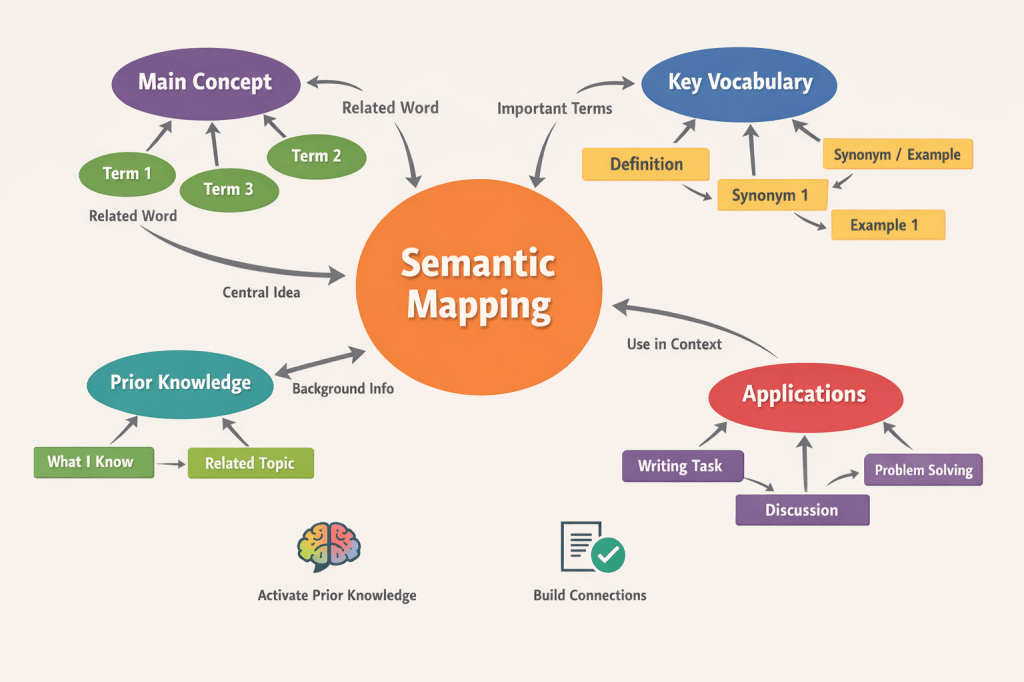
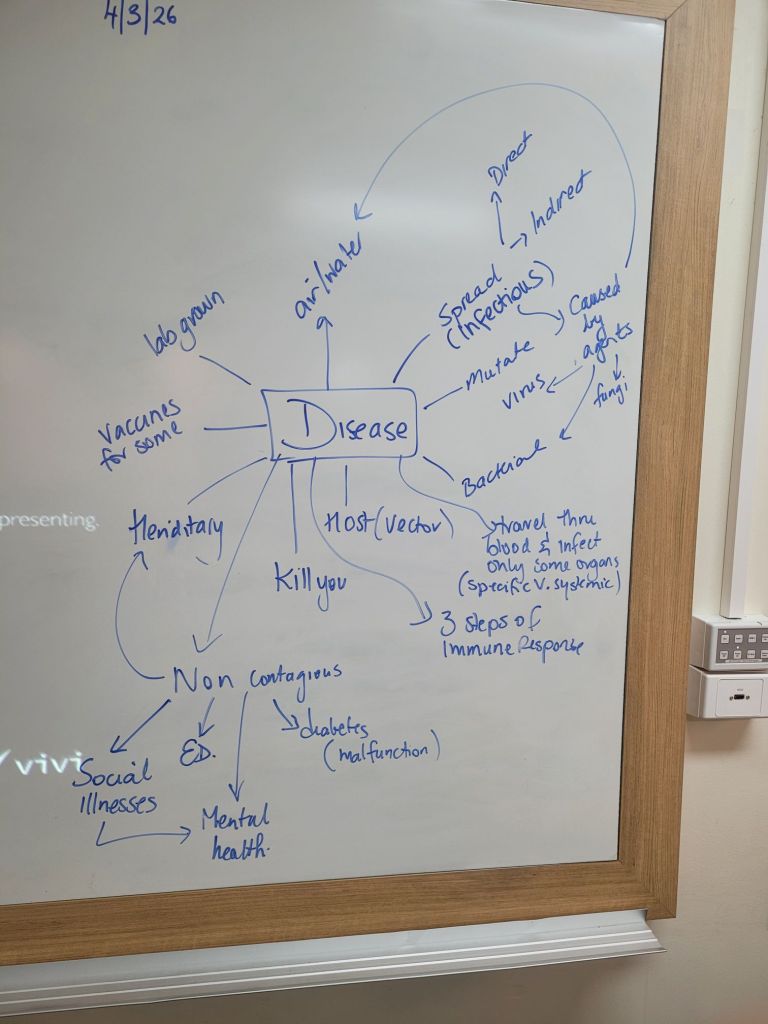
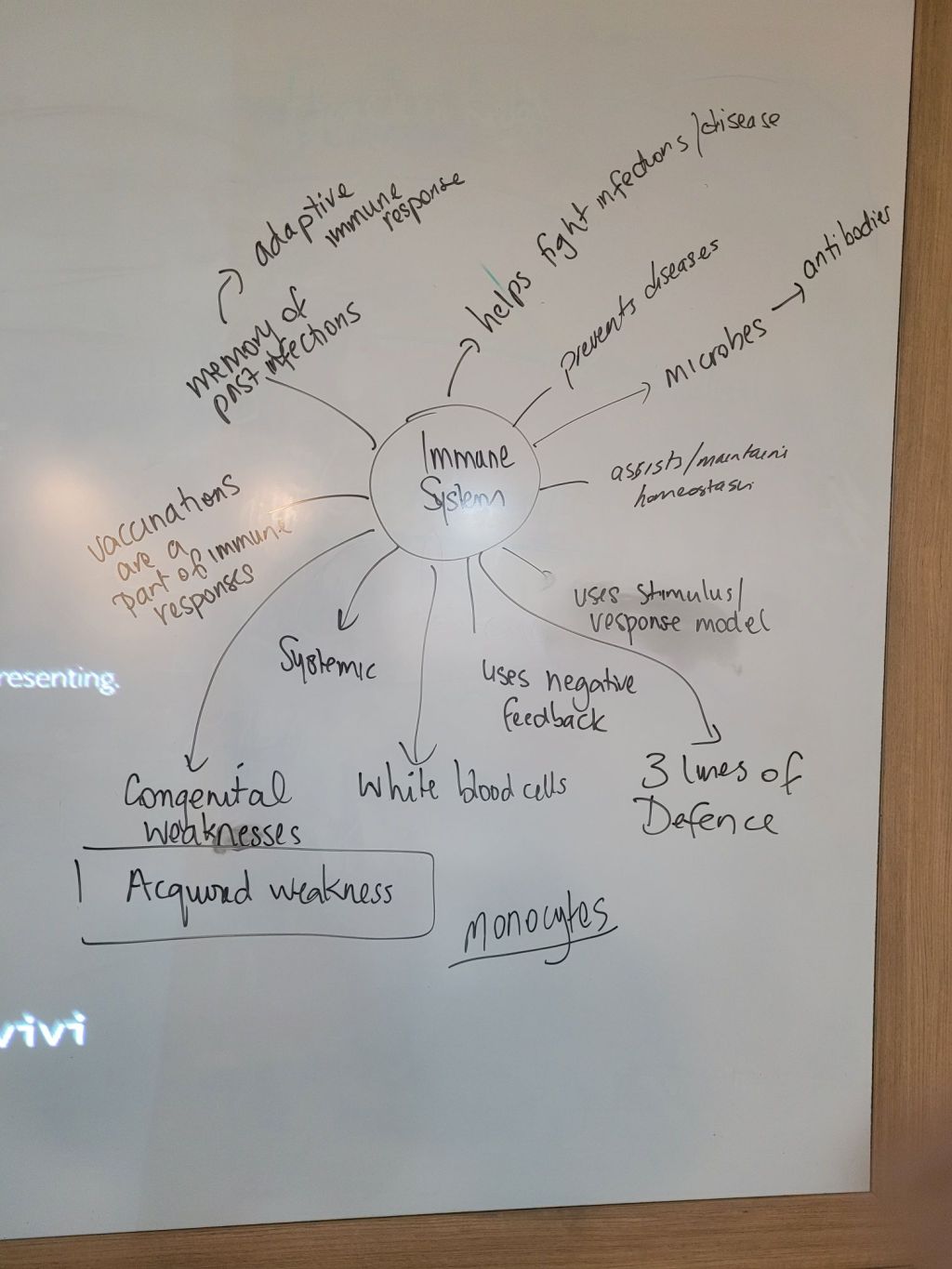


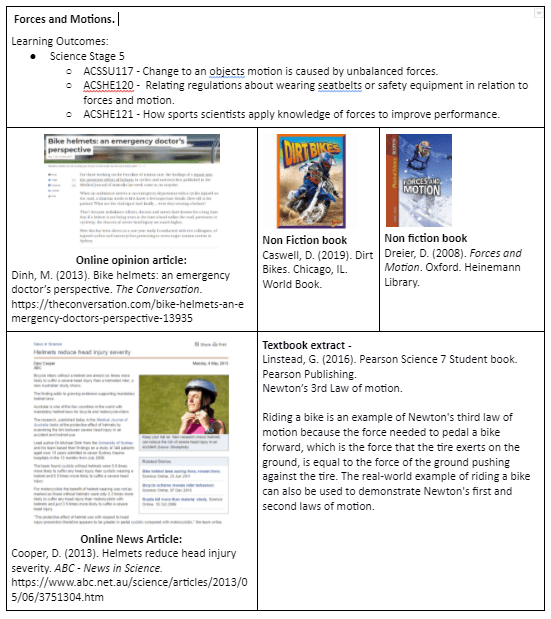
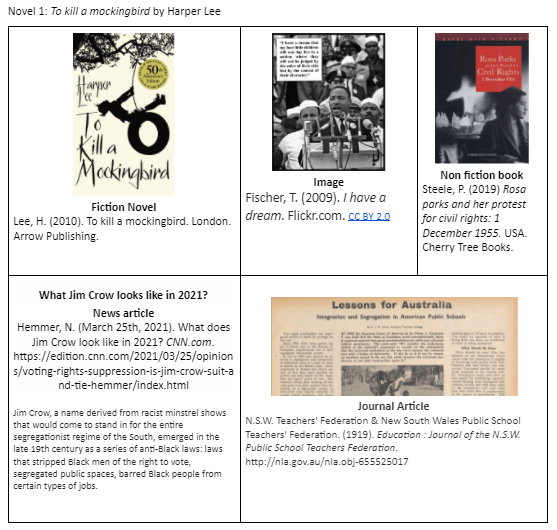

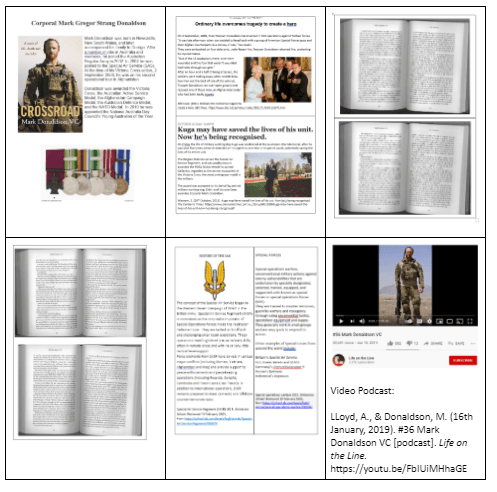


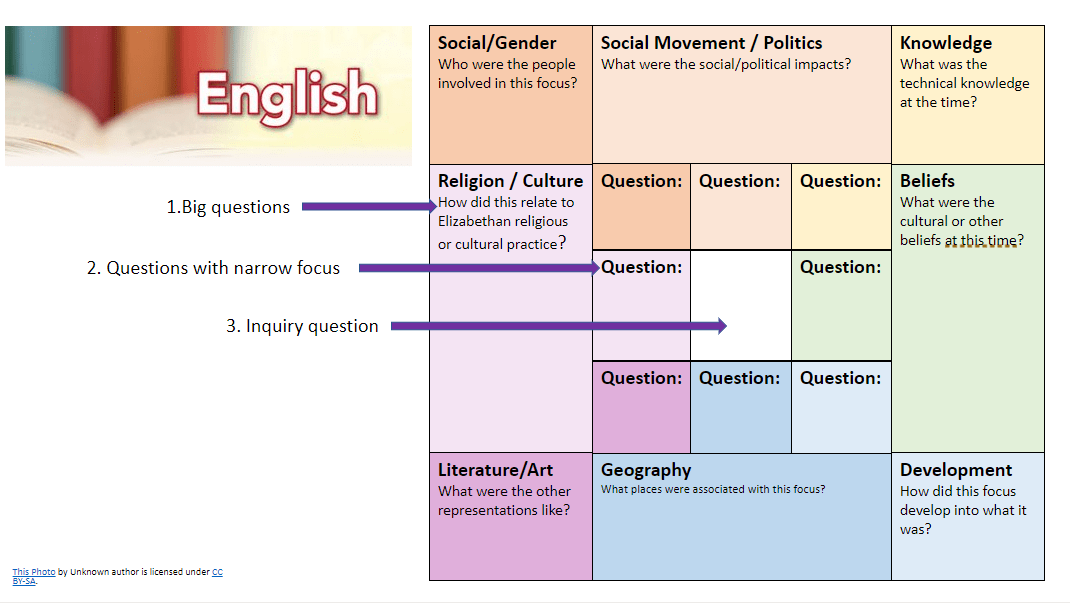
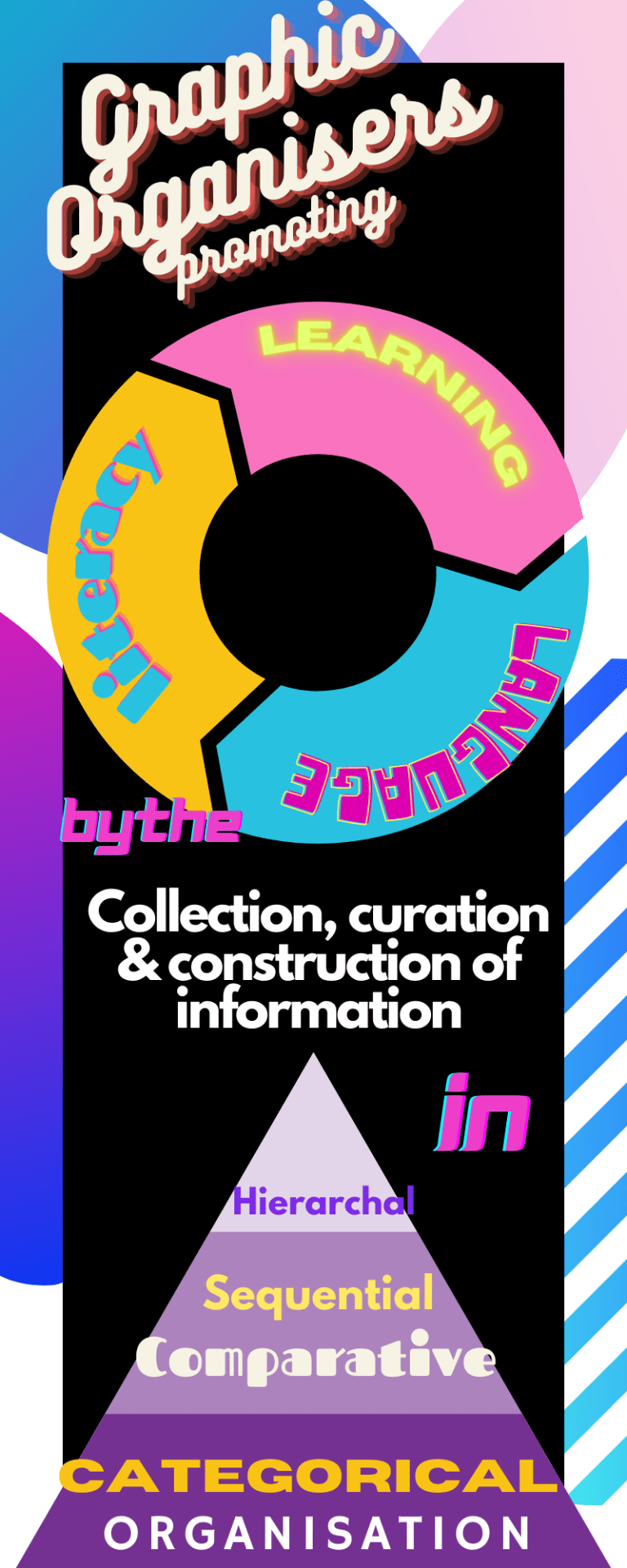

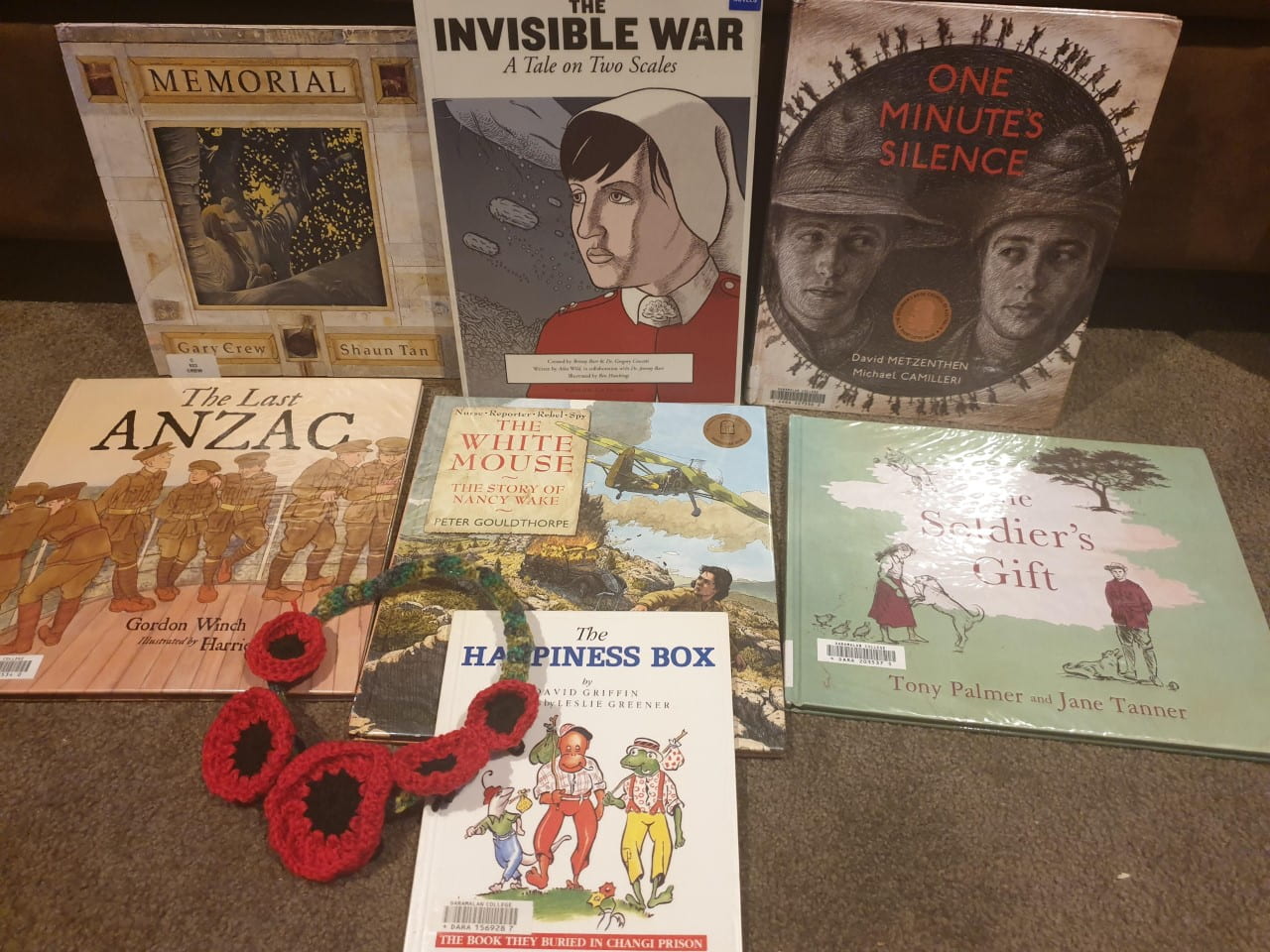

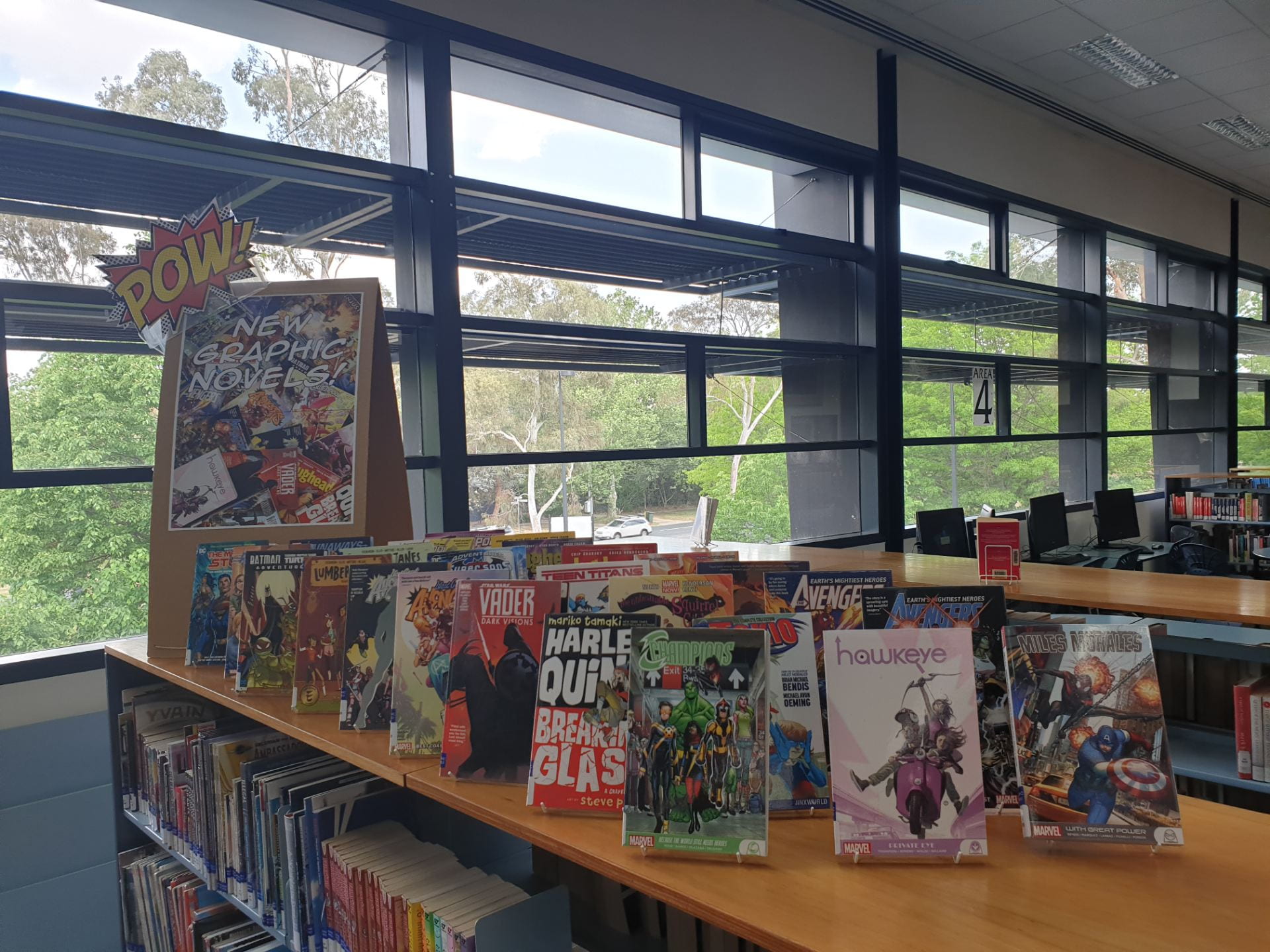
 Learning through the Library