
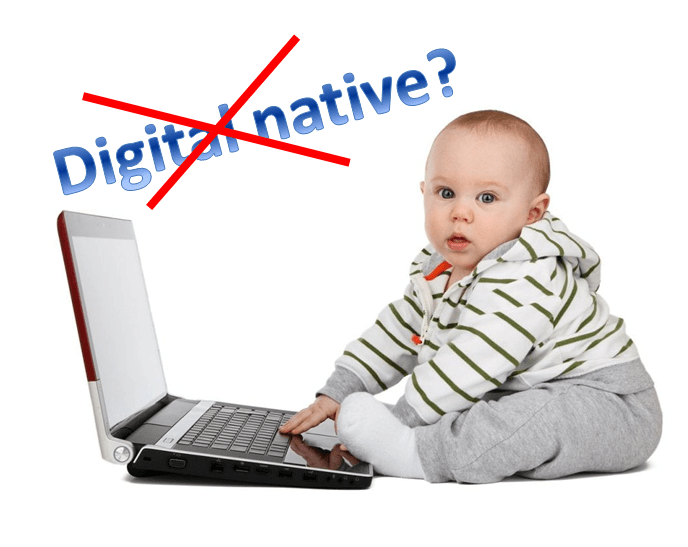
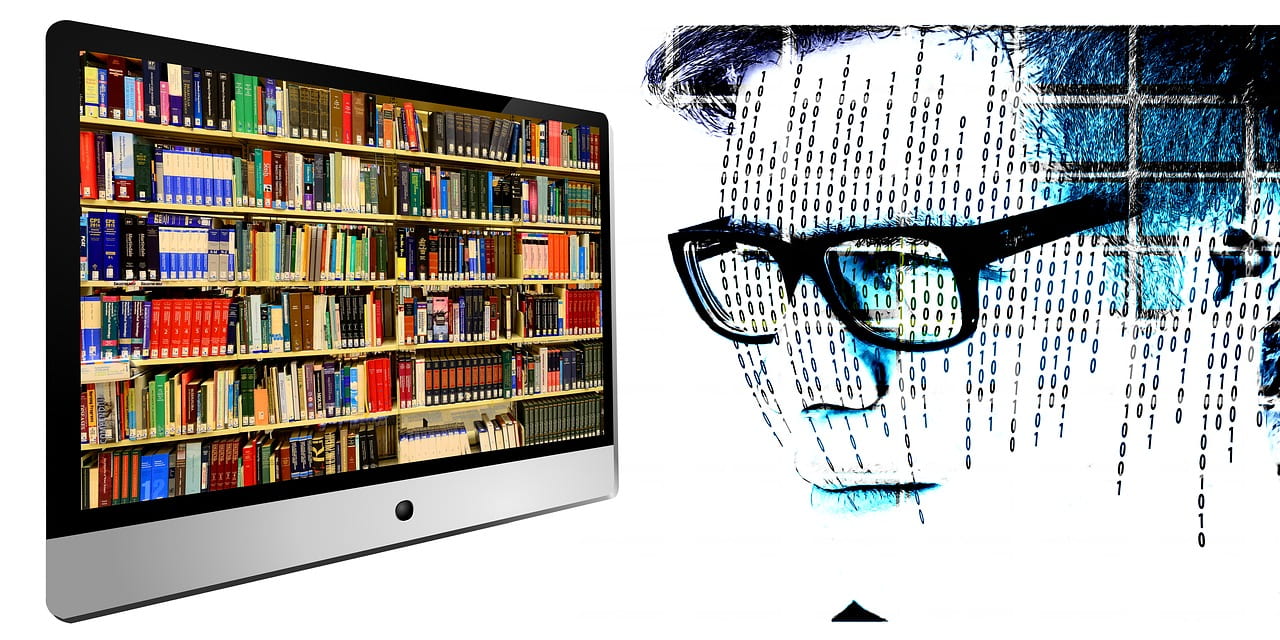
Peggy_Marco / PixabayFrom a pedagogical perspective, app based learning such as the YouVersion Bible app are ideal for teenagers in a Catholic High school as it promotes engagement, increases motivation, provides access to online communities, allows for text anonymity and acknowledges the importance of a personal devices to a teenager’s social capital (Cullen, 2015; Vidales-Bolanos & Sadaba-Chalezquer, 2017; Yokota & Teale, 2014; Dickenson, 2014; Hashim & Vongkulluksn, 2018). This app also satisfies the requirement of enhancing the learning of language, and the supplementary videos assist in decoding and comprehension for EAL/D and learning needs students (Gonzales, 2016).
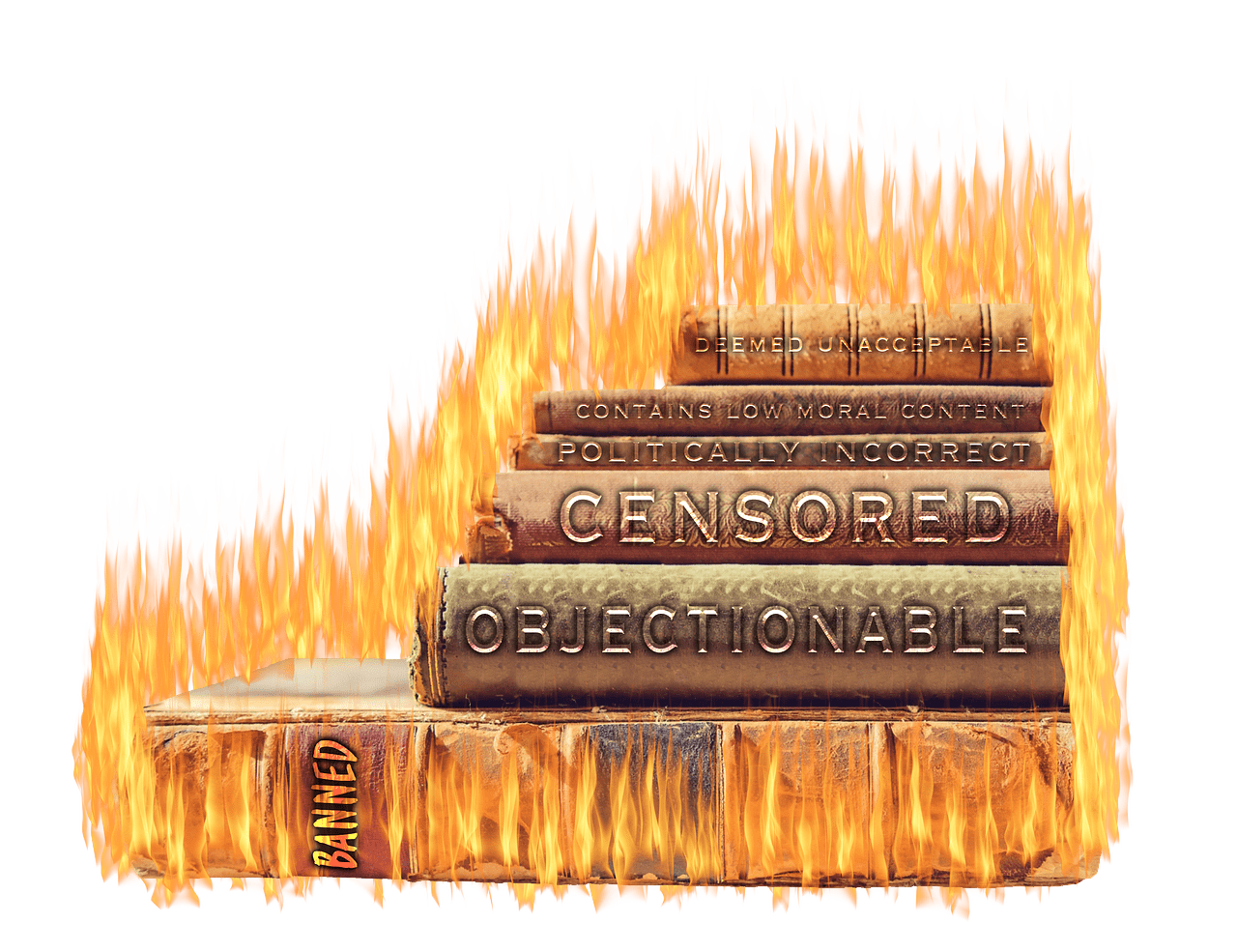
The major hurdle to implementing this app across the school is that it is an app. My school has a strong mobile phone policy due to persistent disciplinary issues (Selwyn, 2019). The current criteria does not permit its inclusion even though this app meets the educational, behavioural and behavioural needs of the students, as well as addressing the content requirements. This exclusion of this resource should question the validity of the CDMP and its selection criteria in this digital age (Johnson, 2018).
The reality is that teachers are very confused about young people and their literary preferences. Dickenson (2014) and Earp (2017) both agree that teens favour print, whereas Twenge et al., (2019) suggests that the internet and interactive media are the preferred medium due to the prevalence of participatory culture. But this preference does not always translate to successful classroom practice. Whilst students may have a strong inclination for DL, not all formats aid the learning of literacy and language. It would be poor professional practice to promote DL that impedes learning, just like its poor practice to exclude excellent resources due to an impediment in the CDMP.
But then… I did just that.
But then… I did just that.
Sometimes our practice is as only good as the policies that frame it.
References:
Australian Curriculum, Assessment and Reporting Authority. (2018). Literacy. In Australian Curriculum. Retrieved from http://www.australiancurriculum.edu.au/generalcapabilities/literacy/introduction/introduction
Brown, C., & Czerniewicz, L. (2010). Debunking the ‘digital native’: beyond digital apartheid, towards digital democracy. Journal of Computer Assisted Learning 26(5). DOI: https://doi.org/10.1111/j.1365-2729.2010.00369.x
Dickenson, D. (2014). Children and reading: Literature review. Australia Council 2014. Retrieved from https://www.australiacouncil.gov.au/workspace/uploads/files/research/children-and-reading-literatur-5432557e418db.pdf.
Earp, J. (2017). Infographic – Teen reading habits. Teacher Magazine. Australian Council for Educational Research. Retrieved from https://www.teachermagazine.com.au/articles/infographic-teen-reading-habits
Botzakis, S. (2018). Comics in the classroom: Using graphic novels for content learning. In D. Wooten, B. Cullinan, L. Liang & R. Allington (Eds). Children’s literature in the reading program: Engaging young readers in the 21st century, (5th ed., pp. 140-152). Retrieved from Proquest Ebook Central.
Cullen, M. (2015, December 21). How is interactive media changing the way children learn. In EducationTechnology. Retrieved from https://educationtechnologysolutions.com.au/2015/12/how-is-interactive-media-changing-the-way-children-learn/
Gonzalez, J. (2016, October 9). Graphic novels in the classroom: A teacher roundtable. Cult of Pedagogy. Retrieved from https://www.cultofpedagogy.com/teaching-graphic-novels/
Hashim, A & VongKulluskn, V. (2018). E reader apps and reading engagement: A descriptive case study. Computers and Education, 125, pp.358-375. Retrieved from https://www.journals.elsevier.com/computers-and-education
Hughes-Hassell, S., & Mancall, J. C. (2005). Collection management for youth : Responding to the needs of learners. Retrieved from https://ebookcentral.proquest.com
Jabr, F. (2013). The reading brain in the digital age: The science of paper versus screens. Scientific American. Retrieved from https://www.scientificamerican.com/article/reading-paper-screens/
Jeon, H. (2012). A comparison of the influence of electronic books and paper books on reading comprehension, eye fatigue, and perception. The Electronic Library, 30(3), 390-408. doi: 10.1108/02640471211241663
Johnson, P. (2018). Chapter 4 – Developing Collections. Fundamentals of Collection Development 4th Edition. ALA Editions. Chicago. Retrieved from EBSCOhost Books.
Keen, N. (2016). Stopping the slide: improving reading rates in the middle school. Connections, 99. Retrieved from https://www.scisdata.com/connections/issue-99/stopping-the-slide-improving-reading-rates-in-the-middle-school/
Mangen, A., Walgermo, B. R., & Bronnick, K.A. (2013). Reading linear texts on paper versus computer screen: Effects on reading comprehension. International Journal of Educational Research, 58, 61-68.doi:10.1016/j.ijer.2012.12.002
Mantei, J., Kipscombe, K., & Kervin, L. (2018). Literature in a digital environment (Ch. 13). In L. McDonald (Ed.), A literature companion for teachers. Marrickville, NSW: Primary English Teaching Association Australia (PETAA).
MCEETYA. (2008). Melbourne Declaration on Educational Goals for Young Australians. Curriculum Corporation. Australia. Retrieved from http://www.curriculum.edu.au/verve/_resources/national_declaration_on_the_educational_goals_for_young_australians.pdf
Mitchell, P. (2011). Resourcing 21st century online Australian Curriculum: the role of school libraries. FYI: The Journal for School Information Professionals 15(2). Retrieved from CSU Library.
Moore, J., & Cahill, M. (2016). Audiobooks; Legitimate ‘reading’ material for adolescents? Research Journal of the American Association of School Librarians. Retrieved from www.ala.org/aasl/slr/volume19/moore-cah
Moorefield-Lang, H., & Gavigan, K. (2012). These aren’t your father’s: the new world of digital graphic novels. Knowledge Quest, 40(3), 30-35. Retrieved from http://web.b.ebscohost.com.ezproxy.csu.edu.au/ehost/detail/detail?vid=0&sid=b349502e-3dd2-48d3-9d9a-6beed7db31cc%40pdc-v-sessmgr05&bdata=JnNpdGU9ZWhvc3QtbGl2ZQ%3d%3d#AN=82563984&db=lih
O’Connell, J., Bales, J., Mitchell, P. (2015). [R]Evolution in reading cultures: 2020 vision for school libraries. The Australian Library Journal, 63(3), 194-208. DOI: 10.1080/00049670.2015.1048043
Rettberg, J.W. (2012). Electronic literature seen from a distance: the beginnings of a field. Retrieved from http://www.dichtung-digital.org/2012/41/walker-rettberg.ht
Ross, B., Pechenkina, E., Aeschliman, C., & Chase, A. (2017). Print versus digital texts: understanding the experimental research and challenging the dichotomies. Research in Learning Technology 25. DOI: https://doi.org/10.25304/rlt.v25.1976. Retrieved from https://journal.alt.ac.uk/index.php/rlt/article/view/1976/pdf_1
Selwyn, N. (2019). Banning mobile phones in schools: Beneficial or risky? SBS News. Retrieved from https://www.sbs.com.au/news/banning-mobile-phones-in-schools-beneficial-or-risky-here-s-what-the-evidence-says
Teen Reading In a Digital Era. (2017). Report at a glance – Teen Reading in a digital era. Murdoch University & Deakin University. Retrieved from https://teenreadingdotnet.files.wordpress.com/2017/04/teen-reading-folio-report_email.pdf
Twenge, J., Martin, G., & Spitzberg, B. (2019). Trends in U.S. adolescents’ media use, 1976-2016: the rise of media, the decline of tv, and the (near) demise of print. Psychology of Popular Media Culture 8(4). p.329-345. Retrieved from https://www.apa.org/pubs/journals/releases/ppm-ppm0000203.pdf
Vidales-Bolanos, M., & Sadaba-Chalezquer, C. (2017). Connected Teens: Measuring the Impact of Mobile Phones on Social Relationships through Social Capital. Media Education Research Journal 53(25). Retrieved by https://files.eric.ed.gov/fulltext/EJ1171085.pdf
Yokota, J., & Teale, W. (2014). Picture books and the digital world. The Reading Teacher 67(8), pp.577-585. DOI: 10.1002/trtr.1262









 Learning through the Library