Beyond the Bookshelf: Why Diverse Stories Belong in Every School Library

In every corner of a school library, stories wait to be discovered. Stories that open minds, build empathy, and reflect the rich tapestry of human experience. But what happens when those stories are missing? When shelves lack the voices of different cultures, identities, and lived experiences?

As an educator and lifelong reader, I’ve come to believe that diverse books aren’t just nice to have in a collection. But rather, that they’re essential. They shape how students see themselves and others, and they help build inclusive communities where every child feels seen and valued.

Representation Matters

Research consistently shows that representation in literature has a profound impact on students’ self-esteem, academic engagement, and social development. When children see characters who look like them, speak their language, or share their cultural background, they feel validated. And when they read about lives different from their own, they develop empathy and understanding.

  • A study by the Cooperative Children’s Book Center found that in 2022, only 33% of children’s books featured characters from diverse backgrounds.
  • According to the Australian Institute for Teaching and School Leadership, inclusive education improves student outcomes and fosters respect among peers.
  • The “Windows, Mirrors, and Sliding Glass Doors” framework by Dr. Rudine Sims Bishop emphasizes how books can reflect our own lives, offer insight into others’, and invite us into new worlds.
Growing up as a teen in Australia, I rarely saw characters in books who looked like me or came from my cultural background. It wasn’t until university that I encountered authors who spoke to my experience, and it was transformative. That moment of recognition made me realize how powerful literature can be in shaping identity and belonging.

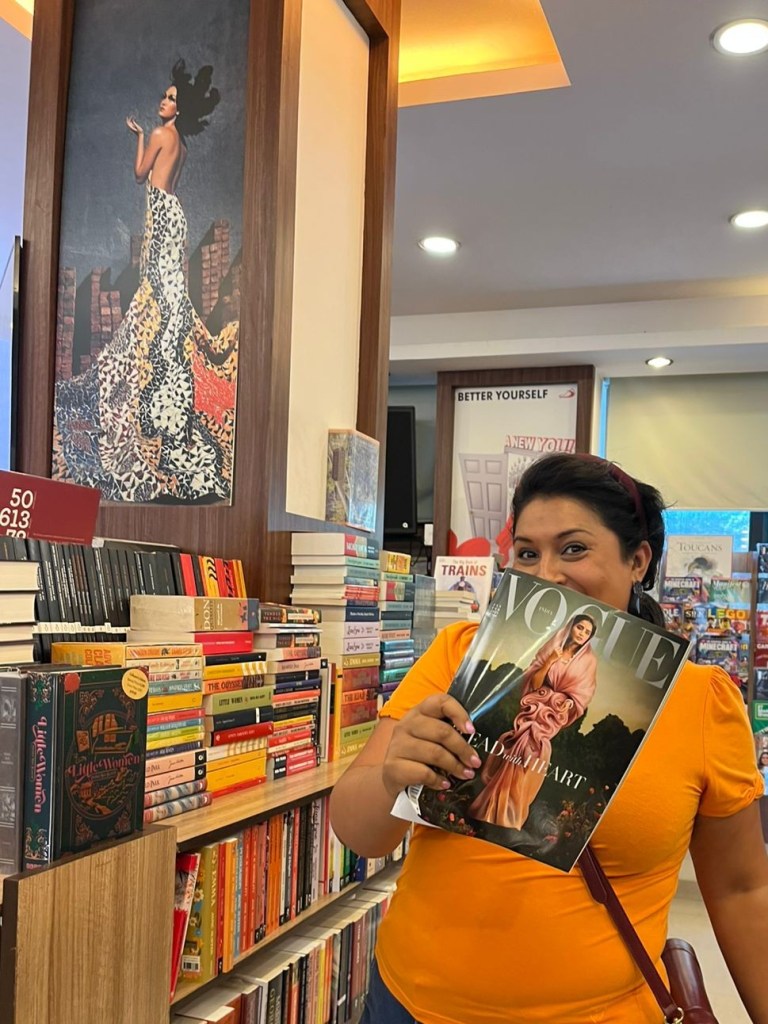
One of the most vivid memories I have of feeling truly represented was during a recent trip to Mumbai. I walked into a bookstore and saw the latest issue of India Vogue. I was drawn to it because the cover featured models who looked like me, wore traditional fabrics with pride, and radiated a beauty that felt familiar. I stood there, overwhelmed. For the first time, I saw my heritage celebrated in a way that was bold, glamorous, and unapologetically authentic. That moment reminded me how powerful visibility can be, not just in fashion, but in every form of storytelling.
Now, as a teacher, I’m committed to curating a library space that reflects the diversity of our world. I’ve seen firsthand how students light up when they find a book that resonates with them. As one Year 9 student told me earlier this year when I handed him The White Tiger by Arvind Adiga, “This book feels like it was written for me.” That’s the magic we should strive for.

🏫 What should Teacher Librarians do?

To ensure every student has access to diverse stories, Teacher Librarians and schools must:

  • Regularly audit their library collections for representation across race, gender, ability, and culture.
  • Partner with local communities and authors to source authentic voices.
  • Provide professional development for educators on inclusive literature.
  • Encourage student-led book clubs and reading initiatives that celebrate diversity.

💬 Final Thoughts

Diverse books aren’t just about ticking boxes, they’re about opening hearts and minds. They help students navigate the world with compassion, curiosity, and confidence. When we fill our shelves with stories that reflect the full spectrum of human experience, we send a powerful message: You belong here. Your story matters.

Let’s go beyond the bookshelf—and make every library a gateway to understanding.
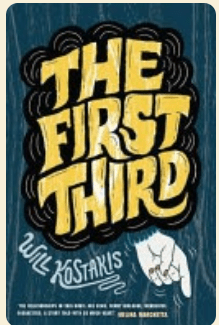
Grandparents, Migration & The First Third: A Love Letter Across Generations.

Life is made up of three parts: in The First Third, you’re embarrassed by your family; in the second, you make a family of your own; and in the end, you just embarrass the family you’ve made.

The First Third by Will Kostakis.

This year’s Grandparents’ Day hit differently. I now have only one of my four grandparents still with me. I was lucky—lucky to have strong, vivid memories of each of them, and even luckier that my children got to spend time with their great-grandparents. That kind of generational overlap feels rare and sacred, like a living bridge between past and present. And somehow, all of this came rushing back when I remembered reading The First Third by Will Kostakis—a book that, like a well-wrapped souvlaki, is stuffed with heart, humour, and a generous helping of cultural chaos.

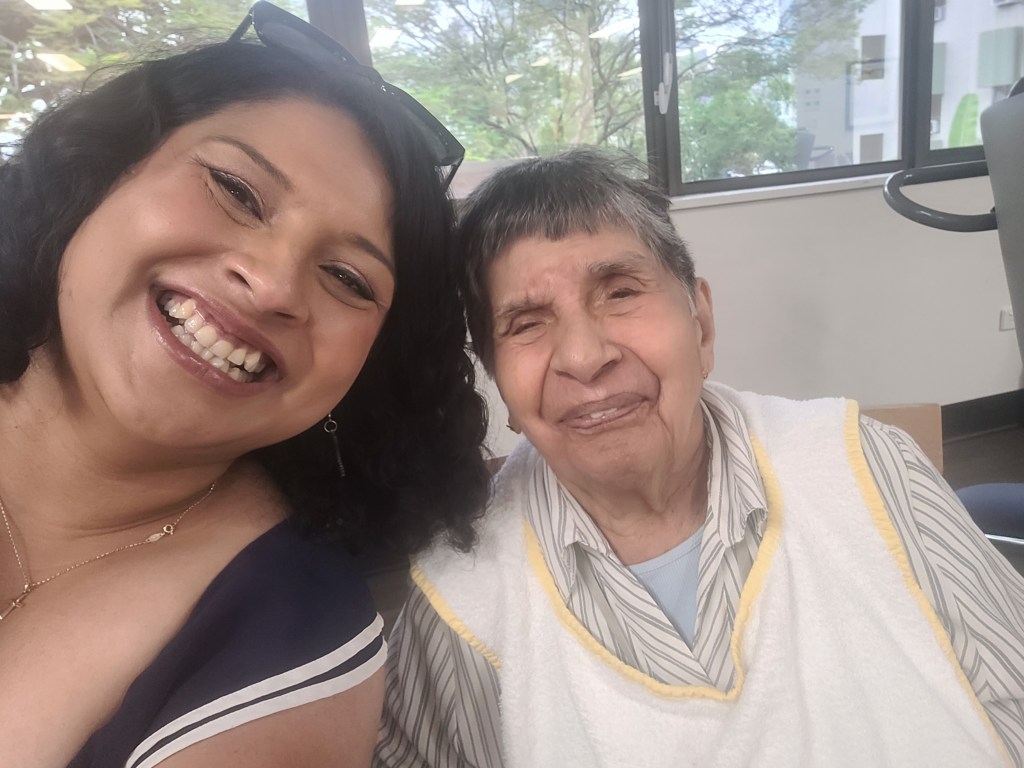
It reminded me strongly of my maternal grandmother. A force to be reckoned with. Even now, in her wheelchair, she manages to orchestrate family life like a seasoned general—issuing orders with a raised eyebrow, summoning grandchildren with a single beckoning finger, and somehow getting everyone to do her bidding without ever raising her voice. Her presence is magnetic, her will unshakable, and her love—though sometimes disguised as criticism—is the glue that holds generations together.

📖 The First Third: A Souvlaki of Feels

Will Kostakis’ The First Third is a YA gem that manages to be hilarious, heartfelt, and culturally rich without ever feeling preachy. It follows Billy Tsiolkas, a Greek-Australian teen whose grandmother hands him a “bucket list” of family fixes to complete before she dies. No pressure, right?

Billy’s voice is sharp, self-deprecating, and painfully relatable. He’s caught between being a good grandson and a confused teenager, between Greek traditions and Aussie adolescence. The book is a masterclass in balancing humor with emotional depth—like when you laugh so hard you forget you’re crying.

Why It Resonates:

  • The family dynamics are loud, loving, and layered—just like mine.
  • The cultural identity struggle is real: trying to be two things at once and feeling like you’re failing at both.
  • The grandmother character is the emotional anchor, reminding us that love often comes wrapped in unsolicited advice and home-cooked meals.

👵 My Grandmother: The Matriarch in Motion

Reading Billy’s story brought back some very vivid memories of my own grandmother. My Nana didn’t hand me a bucket list, but she did hand me wisdom—sometimes in words, sometimes in silence, mostly in food. And she did it all with the commanding presence of someone who never needed to stand to be heard.

She’s the kind of woman who could host a feast, direct the seating arrangement, critique the seasoning, and still find time to remind you that your shirt needs ironing. Her strength isn’t just physical—it’s woven into the fabric of our family.

🌍 A Migration of Love

Unlike many who migrated in their youth, my grandmother moved overseas in her seventies. She gave up everything and everyone she knew—her home, her lifelong friends, her familiar rhythms—so she could continue supporting her children and grandchildren. It wasn’t a move for opportunity or adventure. It was a move for love.

What She Gave Up—and What She Gave Us:

  • Her homeland: Leaving behind the place where she’d spent most of her life.
  • Her community: Saying goodbye to friends she’d known for decades.
  • Her independence: Adapting to a new country, new customs, and a new pace of life.

And yet, she never stopped giving. She offered good advice (whether you asked for it or not), gentle admonishments (often not so gentle), and an abundance of love. Her presence became the emotional compass of our family—steady, wise, and always just a little bit intimidating.

She didn’t just migrate; she transformed our home into a sanctuary of tradition, resilience, and unconditional care.

💌 A Tribute Across Pages and Generations

The First Third isn’t just a book—it’s a tribute. To grandmothers who held families together with their bare hands. To those who sacrificed comfort for connection. To the messy, beautiful process of growing up between cultures and generations.

So this Grandparents’ Day, I’m not just remembering my grandmother—I’m honouring her. Through stories, through laughter, through the parts of her that live on in me.

And maybe, just maybe, that’s the final third: carrying forward the love that built us.