Semantic Mapping: Strengthening Vocabulary and Supporting Curriculum Through Effective Pedagogy

This blog post builds on ideas introduced in my earlier discussion of disciplinary literacy and vocabulary development in Language Learning and the Power of the Library. The present work extends that discussion by examining semantic mapping as an evidence informed pedagogical strategy and by considering the role of the Teacher Librarian in supporting vocabulary development across curriculum areas.
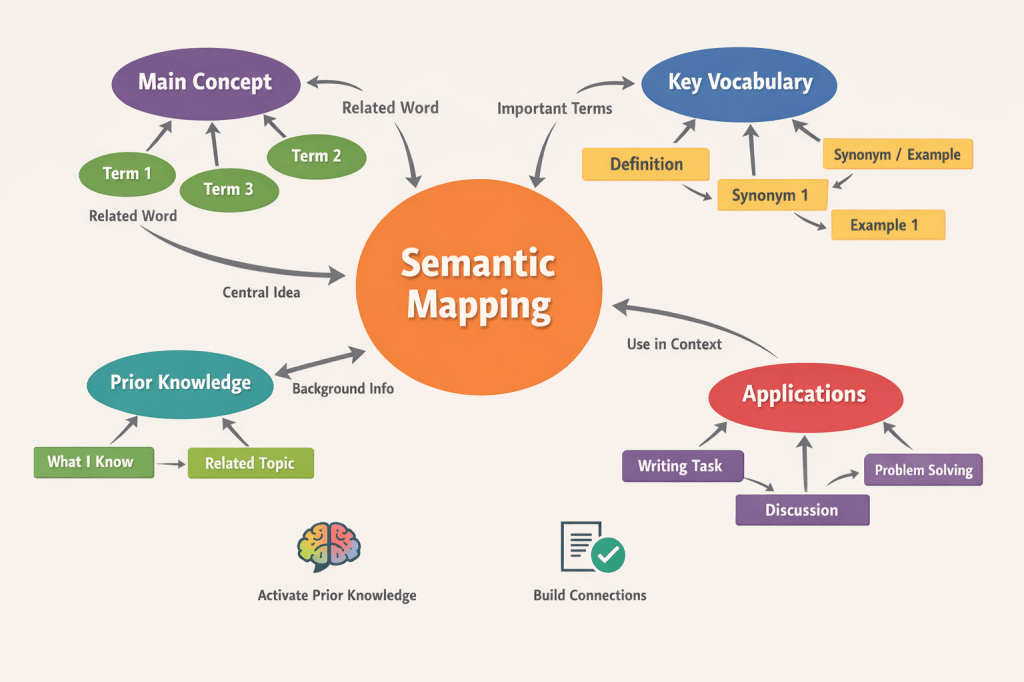
Image created by Canva.

Semantic mapping is a widely recognised pedagogical practice that enables learners to make deliberate connections between words, ideas and concepts using a visual format. Research in educational neuroscience shows that approaches which activate prior knowledge help reduce demands on working memory and support the integration of new information (Mitra and Spence 2023). When students cluster and organise vocabulary around conceptual relationships, they construct deeper and more coherent understandings of disciplinary terminology. Udaya (2022) argues that this relational organisation is central to the effectiveness of semantic mapping, as it encourages students to engage with word meaning in an active, cognitively purposeful manner. Through this process, learners are supported to apply new vocabulary confidently in both written and verbal contexts.
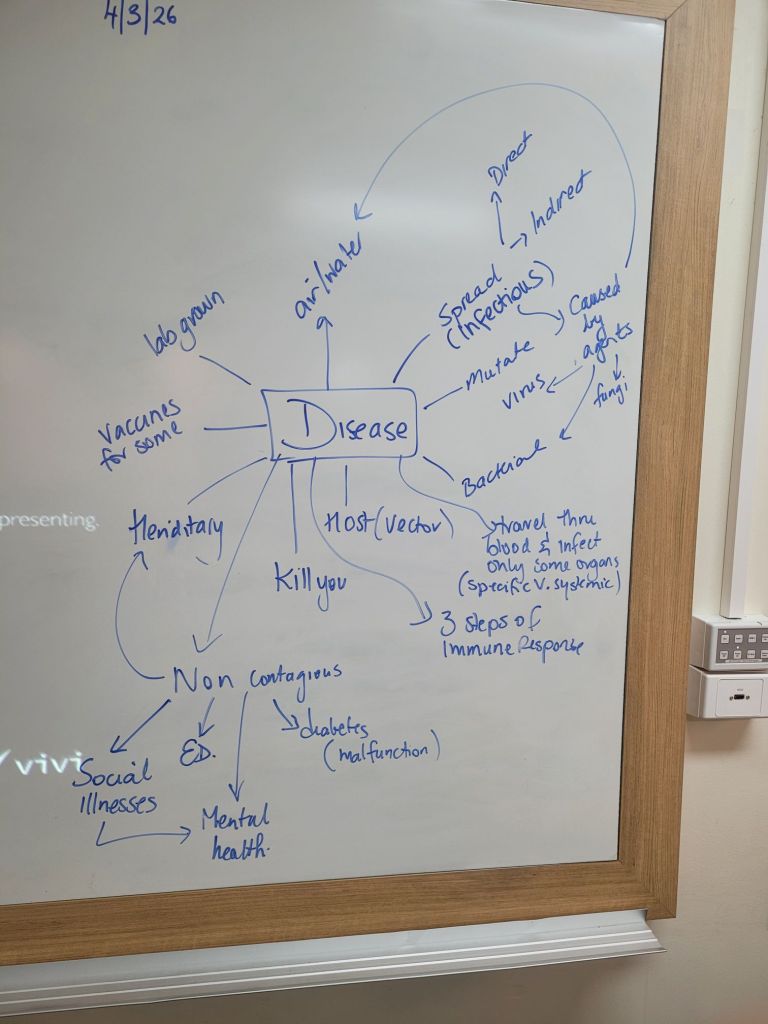
Vocabulary development is a cumulative process that requires repeated encounters with words across varied contexts in order for meaning to be fully understood, applied and retained. Research indicates that students who possess extensive vocabularies are better equipped to access complex academic texts and produce sophisticated analytical responses (Udaya 2022). Semantic mapping contributes to this development by activating relevant schema and creating meaningful connections between new concepts and existing knowledge. These connections facilitate the transfer of information from working memory to long term memory and reduce cognitive load, which is an essential consideration when introducing high volumes of new terminology.
20260317_10484637331499792958352

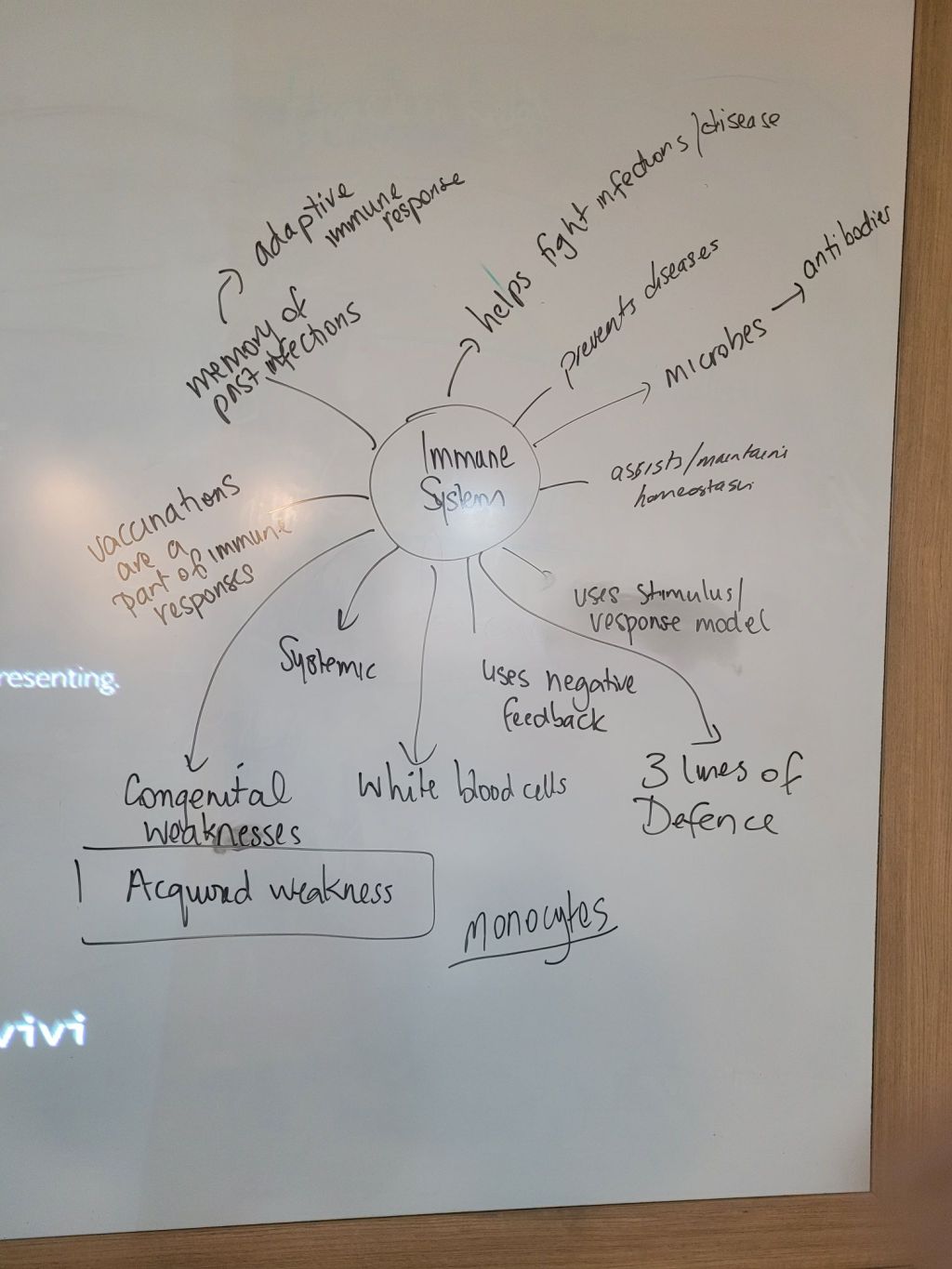
The value of semantic mapping extends across all year levels and curriculum areas. It can be used to elicit prior knowledge at the beginning of a unit, to support structured note taking or to provide formative assessment opportunities that reveal students emerging conceptual understandings. Its importance becomes particularly evident in secondary schooling. Curriculum sequencing in subjects such as Humanities and Science often involves long periods between initial instruction and later revisiting of content. Students may engage with a unit at one point in their schooling and then not encounter that content again for up to two years, often at a more complex cognitive level. During this interval learners typically study numerous unrelated units, which reduces the likelihood that vocabulary from earlier study will be retained. As a result students frequently re enter familiar units with limited recall of key terms and concepts, which can inhibit progress and deepen misconceptions.
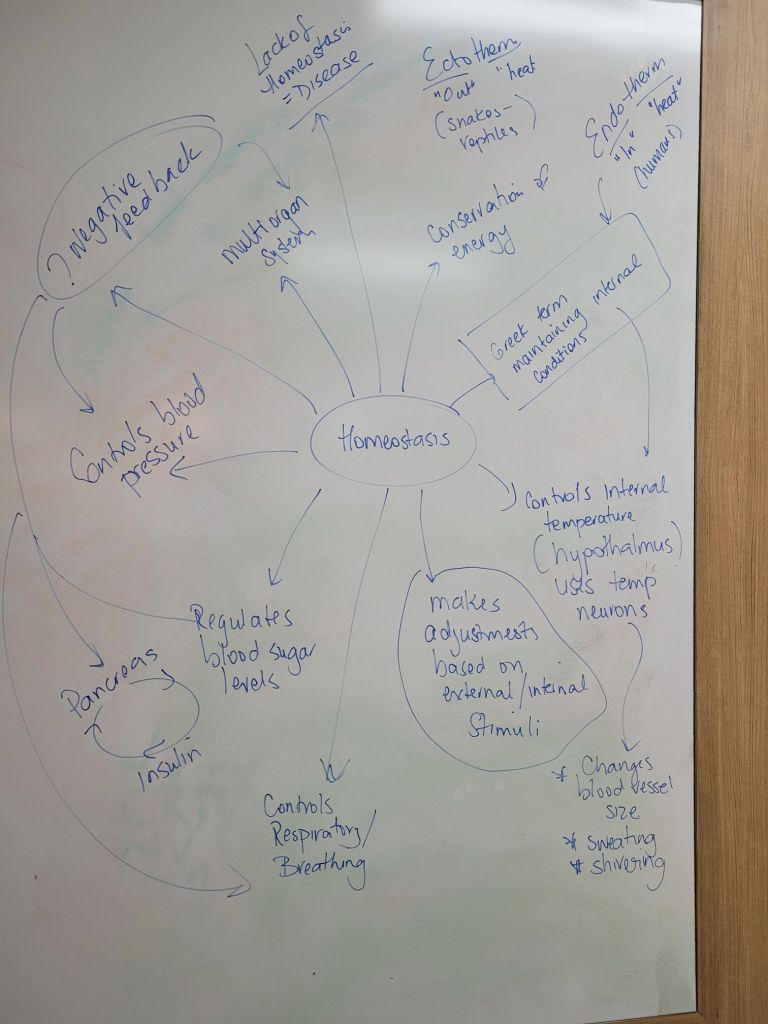
Semantic mapping offers a structured and explicit method for re establishing these conceptual networks. Its effectiveness is enhanced when combined with a Lexile levelled text set, which provides multiple texts on the same topic at varying reading levels. This approach ensures that all learners can access essential vocabulary in contexts that match their reading proficiency. By encountering the same terminology across several texts, students strengthen their understanding of word meaning and improve decoding and comprehension skills. This combination of explicit vocabulary instruction and appropriately differentiated reading material contributes to greater confidence and academic resilience in content heavy subjects.

Teacher Librarians play a central role in supporting vocabulary development and curriculum implementation within Australian schools. The Standards of Professional Excellence for Teacher Librarians, developed by ASLA and ALIA, affirm the professional knowledge, pedagogical capability and resource curation expertise that TLs contribute to school learning environments. These standards emphasise the responsibility of TLs to collaborate with teachers, design quality learning experiences and ensure that the school collection provides rich and accurate resources that align with curriculum requirements. ASLA’s work with AITSL further highlights the TL’s leadership in supporting effective teaching strategies, including approaches that foster critical and creative thinking skills (ASLA 2014, Uther and Pickworth 2014).

Within this professional framework, the Teacher Librarian is uniquely positioned to champion evidence informed strategies such as semantic mapping and to curate high quality Lexile levelled text sets that align with disciplinary vocabulary needs. By working in partnership with classroom teachers, TLs ensure that vocabulary instruction is coherent, accessible and pedagogically robust across learning areas and year levels. This collaboration supports a consistent and structured approach to disciplinary language development, which is essential for student success in increasingly complex academic environments.

References

Australian Library and Information Association, & Australian School Library Association. (2004). Standards of professional excellence for teacher librarians. ALIA/ASLA. 

Mitchell, P. (2001). Standards for teacher librarians in Australia. Joint Conference of the Australian School Library Association and the Children’s Book Council of Australia.

Mitra, A., & Spence, L. (2023). Educational neuroscience for literacy teachers: Research‑backed methods and practices for effective reading instruction. Routledge.

Udaya, P. (2022). Using semantic maps as a teaching strategy for vocabulary development. European Journal of English Language Teaching, 6(5). https://doi.org/10.46827/ejel.v6i5.4095Uther, J., & Pickworth, M. (2014). Using the AITSL standards to support the TL as a leader. Australian School Library Association (ASLA)
The Social Life of Books: Why Teen Readers Follow Their Friend

Reading is widely recognised as a critical skill for young people, supporting the development of strong cognition, mental health and empathy. A growing body of research consistently shows that recreational reading in particular is linked with academic achievement, improved emotional regulation and more nuanced interpersonal understanding. Building a culture of reading, therefore, is not a peripheral task for schools. It lies at the heart of nurturing thoughtful, resilient and socially capable young people.

Yet despite these well established benefits, many children and teenagers do not naturally turn to teachers or teacher librarians for book recommendations (Merga, 2012). To be blunt, young people do not necessarily see adults as cool. Recommendations from teachers, no matter how well intentioned, may lack what adolescents consider to be genuine social credibility. The street cred factor is real, and it is powerful.

This dynamic is clearly supported in contemporary research. Rutherford, Singleton, Reddan, Johanson and Dezuanni’s report Discovering a Good Read: Exploring Book Discovery and Reading for Pleasure Among Australian Teens found that teens prefer “recommendations from friends (57%)”, a finding emerging from a nationally representative survey of more than thirteen thousand Australian secondary students. These findings reinforce what many educators observe anecdotally. Reading among teens is not only an individual cognitive task but also a profoundly social practice.

Further evidence comes from the work of Dr Margaret Merga, a well respected Australian researcher in literacy and reading engagement. In a mixed methods program examining the influence of social attitudes on reading behaviours, Merga (2012) noted that “perceived friends’ attitudes can have a more significant influence on boys than girls, [therefore] making books socially acceptable for boys should be a priority for educators.” This underscores the idea that book talk among peers is not merely casual chit chat. It is a mechanism of social permission. When books gain traction within a peer group, they gain legitimacy and ethos (Merga, 2012; Merga 2014).

20260306_1744208882785230159552629

Australia Reads similarly emphasises the importance of social engagement in building sustainable reading habits. Its principles highlight that young people need “positive social reading experiences” and opportunities to “recommend, discuss and share books and other texts in ways that are personally enjoyable and relevant”. In other words, reading thrives when it is relational.

20260306_1331021376405956065383258

At Lauries, we see these principles in action every day. While staff recommendations certainly have their place, it is peer driven reading culture that most reliably sparks curiosity, especially among reluctant readers. This is why we actively encourage students to reflect on and review the books they read. Their voices matter. Their opinions shape the reading landscape for others. The broader research base supports this emphasis on social recommendation and discussion as a driver of voluntary reading.

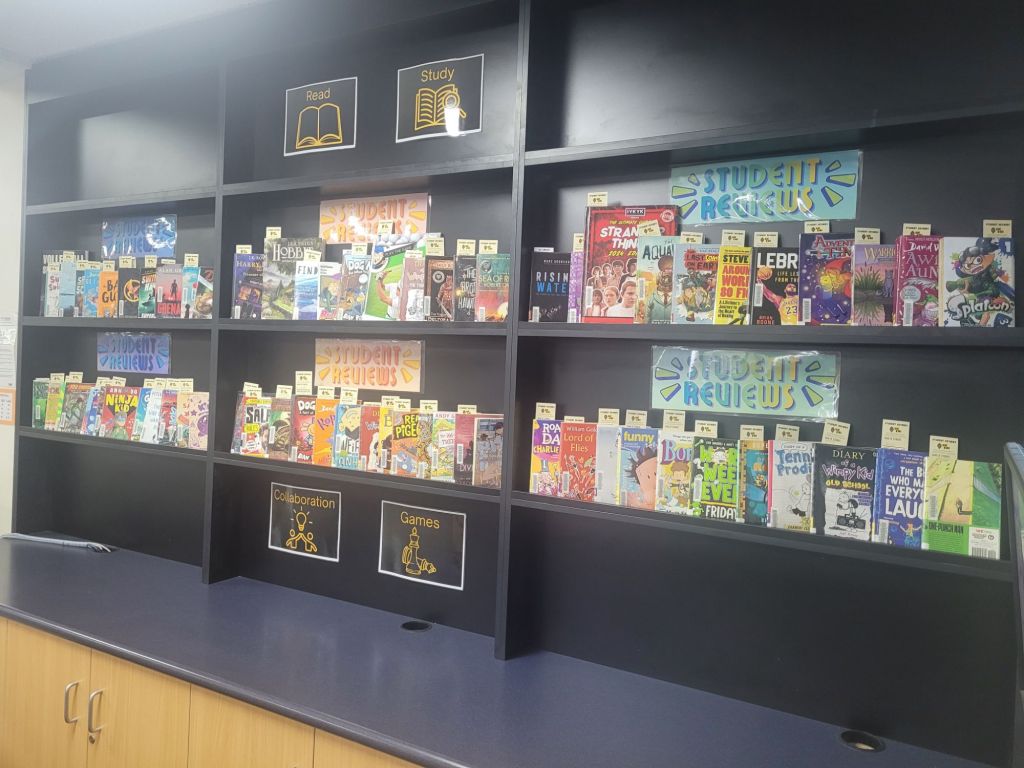
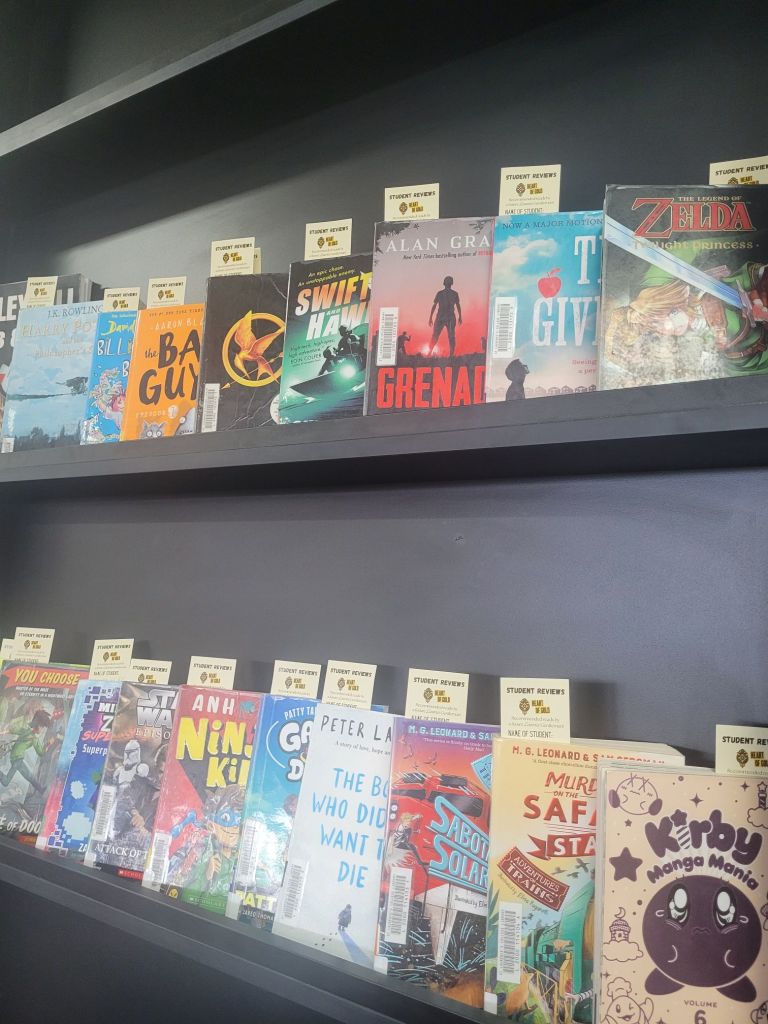
A visible expression of this culture is our wall of Lauries Lads Lit Picks. This growing collection showcases books that our students have personally endorsed. We often see reluctant readers wandering over, flicking through the displayed reviews until they discover a familiar name. That moment of recognition is powerful. When a friend or respected peer has enjoyed a book, the barrier to entry drops dramatically. The book becomes not just a text but a shared experience waiting to happen. The pattern aligns with evidence that peer attitudes and friend recommendations play an outsized role in adolescent book choice.

Cultivating a socially rich reading environment therefore requires more than simply providing access to books. It involves elevating student voice, valuing peer influence and creating spaces where reading is openly shared, discussed and celebrated. The evidence is unequivocal. When young people are given opportunities to recommend books to one another, their engagement deepens and their confidence as readers grows. Reading becomes woven not only into their academic lives but into their friendships, identities and everyday conversations.

By continuing to champion peer driven discovery, we support our students not only to read more but to read with curiosity, connection and purpose. That is a foundation that benefits them far beyond the walls of the library

references

Australia Reads. (2025, September 23). Major new report offers 6 key principles to support young people’s recreational reading. https://australiareads.org.au/news/6-principles-support-young-people-reading/ [australiar…ads.org.au]

Crowther Centre. (n.d.). Getting young people to read. https://www.crowthercentre.org.au/resources/getting-young-people-to-read/ [crowtherce…tre.org.au]

Merga, M. K. (2014). Peer group and friend influences on the social acceptability of adolescent book reading. Journal of Adolescent & Adult Literacy, 57(6), 472–482. https://doi.org/10.1002/jaal.273 [researchgate.net], [periodicos…pes.gov.br]

Merga, M. K. (2012). Social influences on West Australian adolescents’ recreational book reading [Conference presentation]. ECU Research Week. https://core.ac.uk/download/pdf/41527861.pdf [core.ac.uk]

Rutherford, L., Singleton, A., Reddan, B., Johanson, K., & Dezuanni, M. (2024). Discovering a Good Read: Exploring Book Discovery and Reading for Pleasure Among Australian Teens. Deakin University. https://eprints.qut.edu.au/247629/ [eprints.qut.edu.au]

Termtime tomfoolery: Using lunchtime activities to market the library as a dynamic space.

Lunchtime in a library can sometimes be overlooked as a quiet or transitional part of the day. In reality, it is one of the most powerful opportunities libraries have to connect with their community. Lunchtime events turn a regular break into a moment of discovery, drawing people into the space, engaging those who may feel unsure or disconnected, and strengthening the library’s role as a welcoming and active hub.

Library events are vital for building a rapport between a school community and their library because participating in a simple activity can lead to conversations. From there, it becomes easier to talk about books, recommend reading, or explain what the library can offer. This is because for many people, a lunchtime event is someone’s first positive and relaxed experience in the library, helping them feel more confident and welcome. The brilliance lies in the fact that lunchtime events naturally attract foot traffic. Students and staff are already moving around, looking for somewhere to go or something to do. Hosting activities during this time removes barriers to participation. There is no need to stay after hours or commit to a long session. People can simply wander in, take part, and head off again because these activities are flexible and easy to join. Not everyone wants a formal workshop or a structured program during their break. Drop in challenges and creative prompts allow people to engage at their own pace, whether they stay for two minutes or twenty.

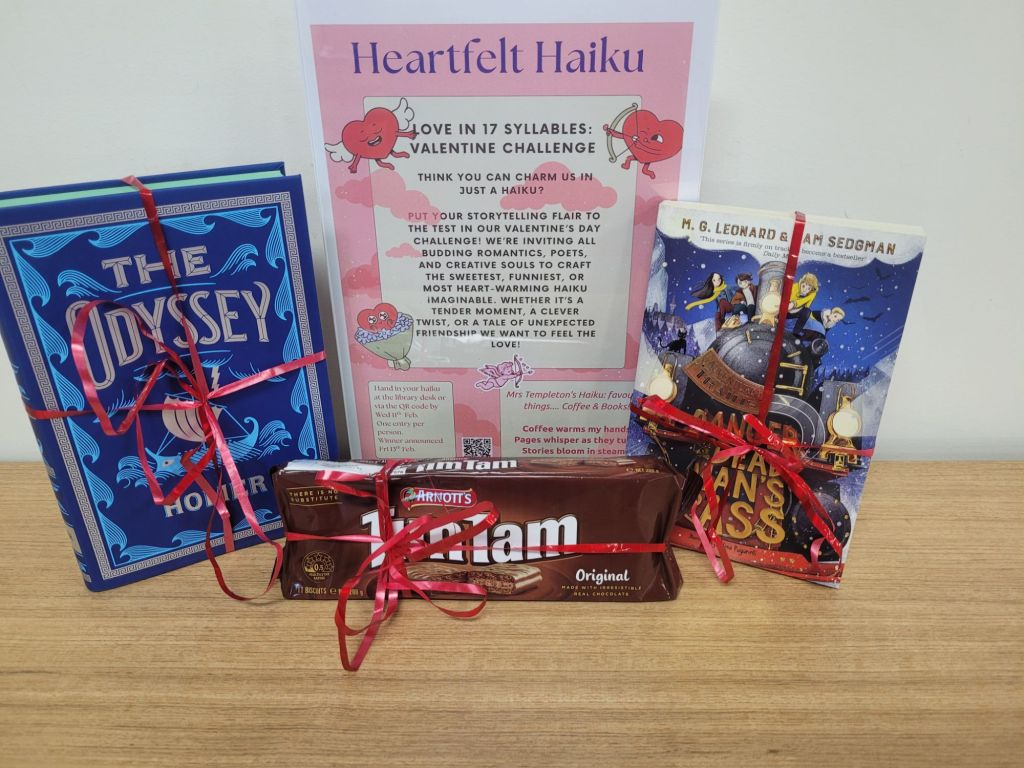
20260217_0801114780374095474908343
Heartfelt Haiku and prizes for winning entries.

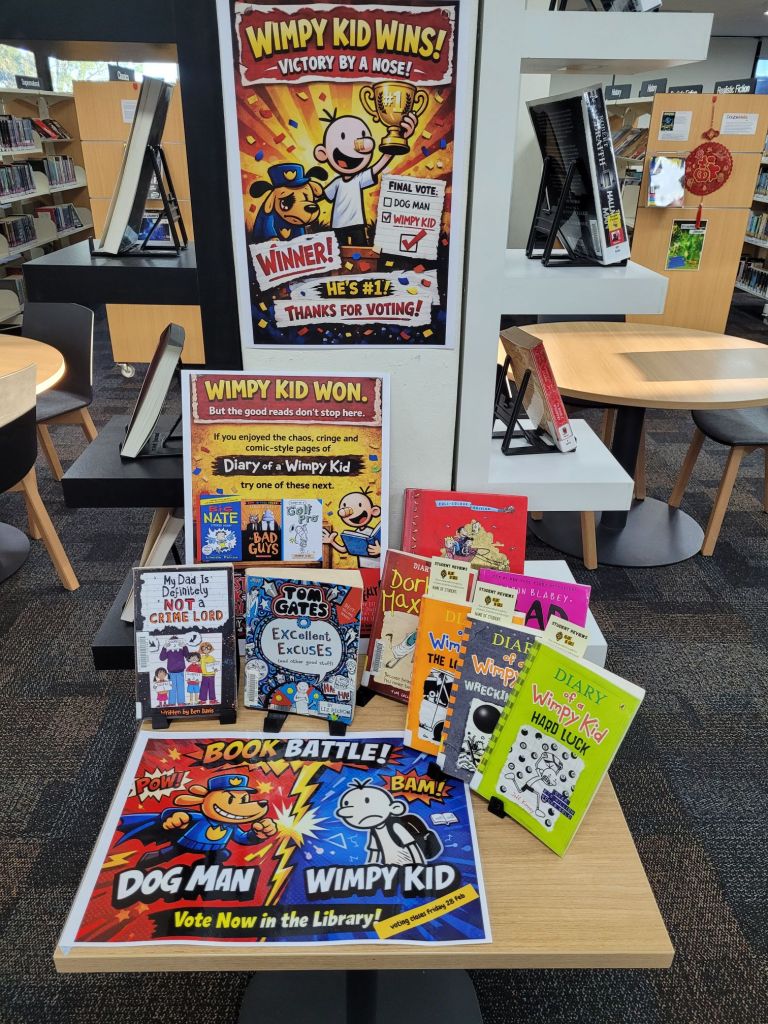
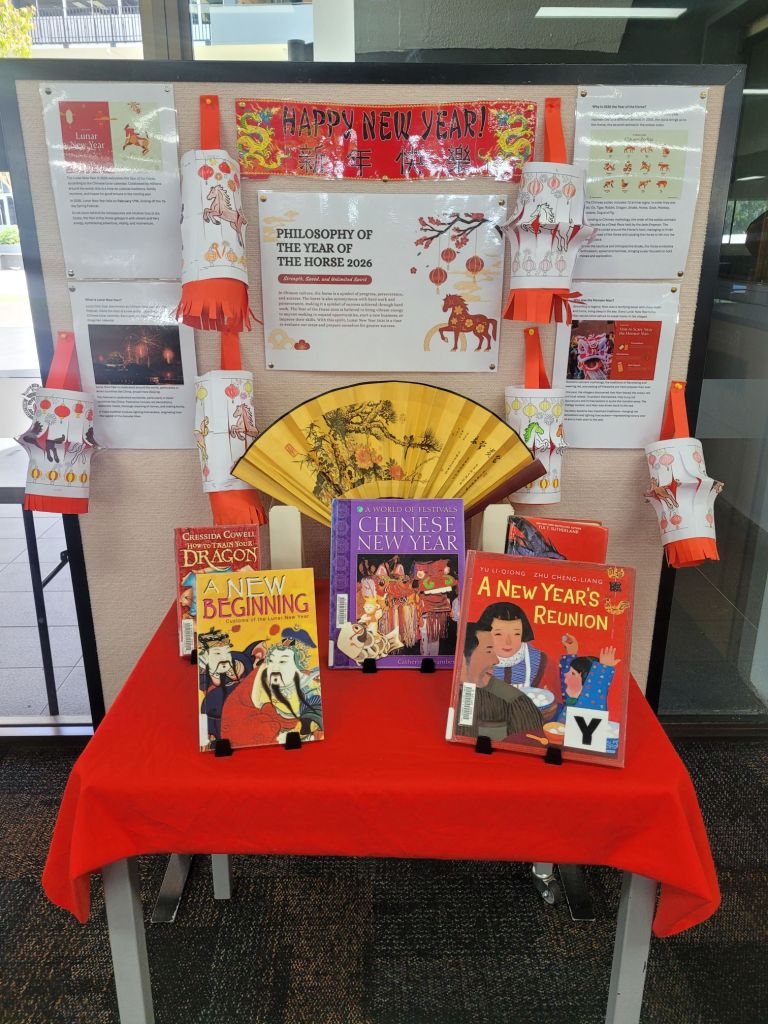
Furthermore, connecting lunchtime challenges to theme days and seasonal events helps keep them fresh and relevant. It gives people a reason to take part right now and adds a sense of fun and anticipation. Over the past few weeks, our library has run challenges such as Heartfelt Haiku for Valentine’s Day and Library Lovers’ Day invited participants to reflect on their love of reading and libraries. Lantern making for Lunar New Year created a hands on way to celebrate culture and tradition. A recent voting challenge between Dog Man and Diary of a Wimpy Kid tapped into popular reading interests and friendly competition. Now, in this past week, the Falling into a Book challenge has encouraged readers to embrace the new season with a new story.

Book Battle: Dogmas V Wimpy Kid

Lunchtime events transform the library into a social and welcoming space. A table set up with a challenge, a craft activity, or a voting station often sparks curiosity. Someone who had no intention of visiting the library may step inside just to see what is happening. Once they do, they are surrounded by books, displays, and friendly faces. Lunchtime events create opportunities for spontaneous engagement that might not happen at any other time of day. They also show that the library values participation in many different forms, not just quiet reading. Afterall, when people participate together, even briefly, they share experiences that build a sense of belonging. Over time, these shared moments help strengthen relationships between library users and staff. The library becomes known not just as a place to borrow books, but as a place where people feel comfortable, included, and valued.

Lunar New Year Display and handmade lanterns.

Lunchtime events quietly demonstrate the broader role of libraries. They show that libraries are dynamic spaces that respond to their communities, encourage creativity, and support wellbeing as well as learning. School libraries that use their lunchtime activities or challenges to build connections and rapport with their communities can turn an ordinary break into a meaningful connection and remind everyone why libraries matter.

Historical Fiction: Her-stories are as important as His-stories.

History is often presented as a clean line of dates and deeds, with women’s voices muted or missing. Yet when I read historical fiction, I hear those voices rise. It is in the imagined conversations, the textured inner lives and the careful stitching of research to narrative that women like Eleanor of Aquitaine step out from the margins and take their rightful place at the centre of the story. Historical fiction does not replace the archive. It complements it. It gives shape to the silences and lets Her story speak.

Eleanor of Aquitaine has captivated me for years. She was queen of France, then queen of England, duchess in her own right, patron of culture and mother to kings. Even through the writings of men who often judged powerful women harshly, she still appears intelligent, beautiful, strong of will and frequently labelled as wilful. That tension between what the record says and what it leaves unsaid is exactly where historical fiction does its best work. Through fiction, we can inhabit the rooms where the clerks did not sit, hear the words no chronicler bothered to write, and feel the force of a woman who shaped her world.

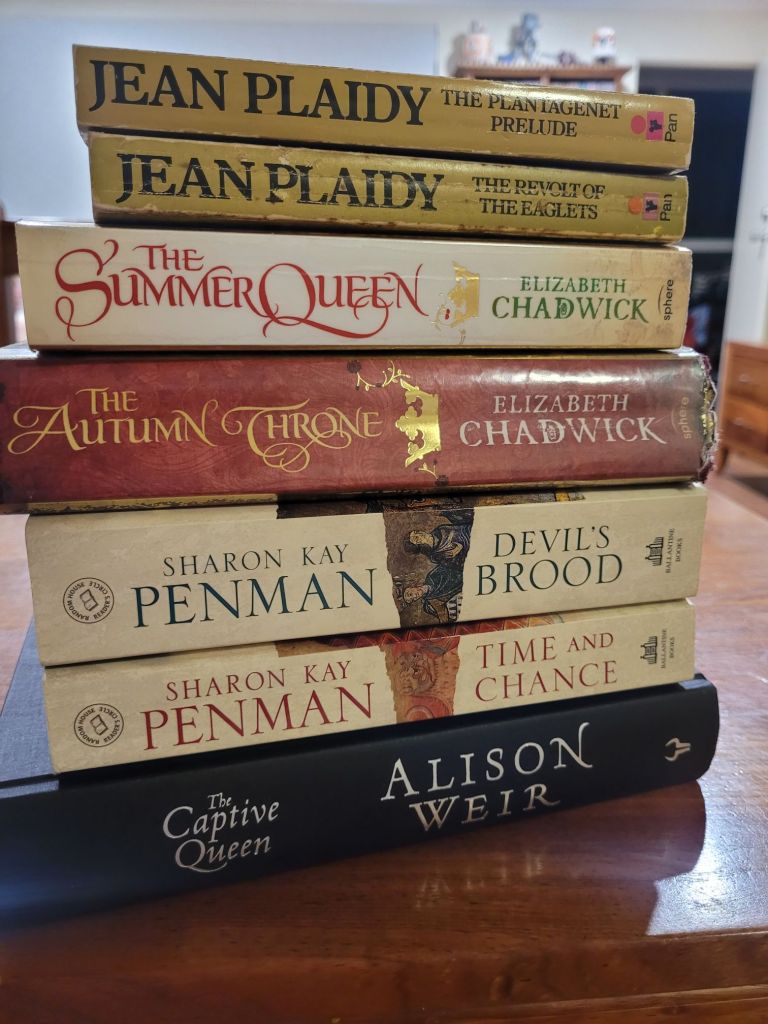
20260118_2023522374916063472770158

Because I am fascinated by Eleanor, I have read widely across authors who approach her life from different angles over my last summer holidays. Each one balances fact and imagination to reveal a fuller portrait. In their hands, Eleanor becomes more than a figure on a timeline. She becomes a person, with agency, complexity and heart. Reading these books has reminded me again and again that history is not only his story. It is also her story, and it deserves to be heard.

Why Historical Fiction Lets Her Story Speak

Historical fiction gives us the space to ask human questions that sources do not answer. What did courage feel like to a woman whose decisions could alter a dynasty. How did she manage loyalty and love in a world that traded both for advantage. What language did she use for her ambitions, her fears and her hopes. Novelists use careful research and responsible imagination to explore these questions. They do not invent the past. They interpret it with empathy, so that readers can understand lives very different from our own.

For women, this matters deeply. The written record often reflects the priorities of men who held the pen. Fiction can step into the gaps and consider the private sphere where much of women’s labour and influence took place. It can restore friendships, mentorships, rivalries and choices that formal chronicles overlook. Reading such stories changes how we see the past. It prompts us to look again at the sources, to notice what was omitted and to seek out voices that were ignored.

This is why I keep returning to Eleanor of Aquitaine through fiction as well as history. Each book adds texture to the tapestry. Each author brings a new hue to the same thread. Together they create a portrait that feels whole. In listening to these imagined yet carefully grounded voices, we are not abandoning truth. We are widening it. We are acknowledging that history is a chorus, and that Her story deserves to sing just as clearly.

Her life reminds us that the past belongs to all of us. Reading and sharing these novels is one way to make sure that our understanding of history includes the women who shaped it. His story has been told for a long time. It is time for Her story to be heard alongside it, fully and without apology.

So if you would like to know a bit about Her-Story, here are some of the amazing authors who wrote about Eleanor:

Books by Elizabeth Chadwick featuring Eleanor of Aquitaine
The Summer Queen
The Winter Crown
The Autumn Throne

Books by Jean Plaidy featuring Eleanor of Aquitaine
The Courts of Love
Eleanor of Aquitaine: The Young Queen
Eleanor of Aquitaine: The Rebel Queen

Books by Sharon Penman featuring Eleanor of Aquitaine
When Christ and His Saints Slept
Time and Chance
Devil’s Brood
Lionheart
A King’s Ransom

Books by Alison Weir featuring Eleanor of Aquitaine
Eleanor of Aquitaine: By the Wrath of God, Queen of England (non fiction)
Captive Queen (fiction)