There are some places I never tire of visiting, and the Chhatrapati Shivaji Maharaj Vastu Sangrahalaya (CSMVS) in Mumbai is one of them. Formerly known as the Prince of Wales Museum, it has been a regular stop on my visits to Mumbai over the years. However, this latest visit was particularly special. The museum has undergone quite a transformation in recent years, with some extraordinary new exhibitions that bring history, culture and art to life.
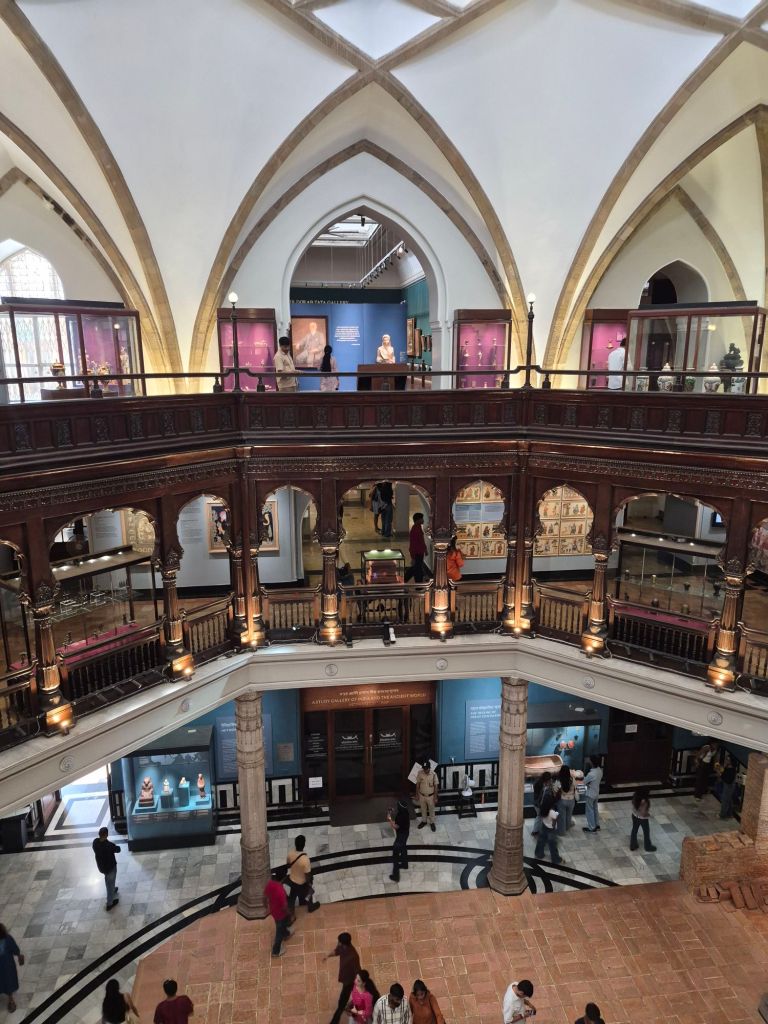
As a teacher librarian, I find it almost impossible to switch off that part of my brain when I’m on holidays. I am constantly drawn to places that tell stories, encourage curiosity and make connections between different cultures and periods of history. This museum certainly delivered on all three.
Networks of the Past: Connecting Ancient Civilisations
One of the highlights of our visit was Networks of the Past, an exhibition that explores the ancient world through a refreshingly different lens. Beginning with the Harappan Civilisation of the Indian subcontinent, which developed approximately 5,000 years ago, and concluding with the Gupta Empire in the sixth century CE, the exhibition places India within a much broader global historical context. It centres on the concept of sharing, how did Ancient India change the world, and in return, how was Ancient (and modern) India changed by the world.
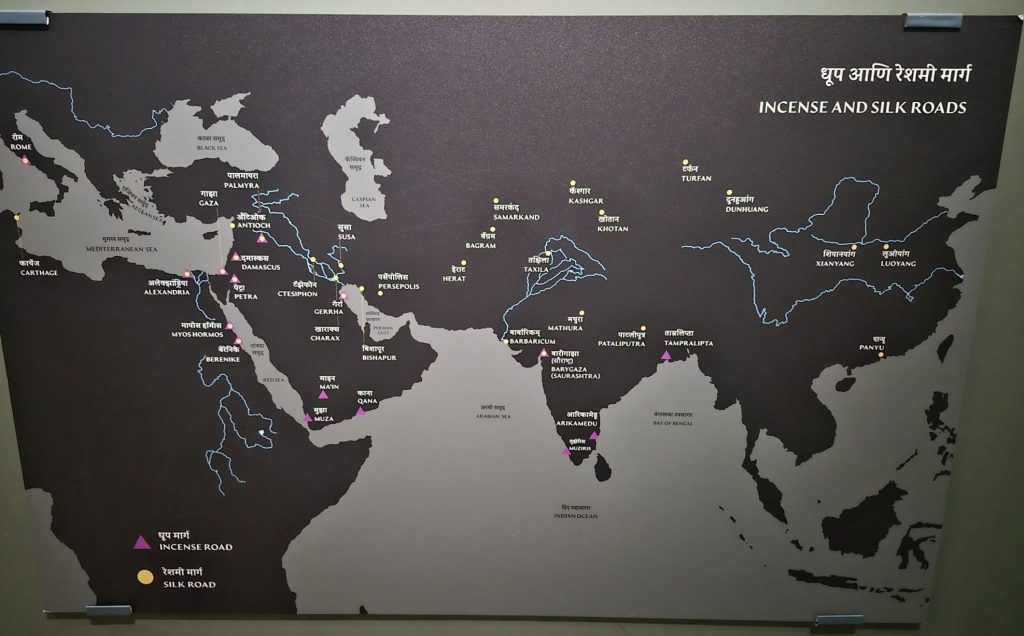
What I particularly appreciated was its departure from the familiar Western narratives of ancient history that tend to centre on Greece and Rome. Instead, the exhibition explores the connections between India and other great civilisations, including Egypt, Mesopotamia, Persia and China. Greece and Rome were mentioned but as an adjunct rather than the centrepiece. After all, Greece and Rome were glimmers in eyes when Egypt, Mesopotamia and India were at their peak!
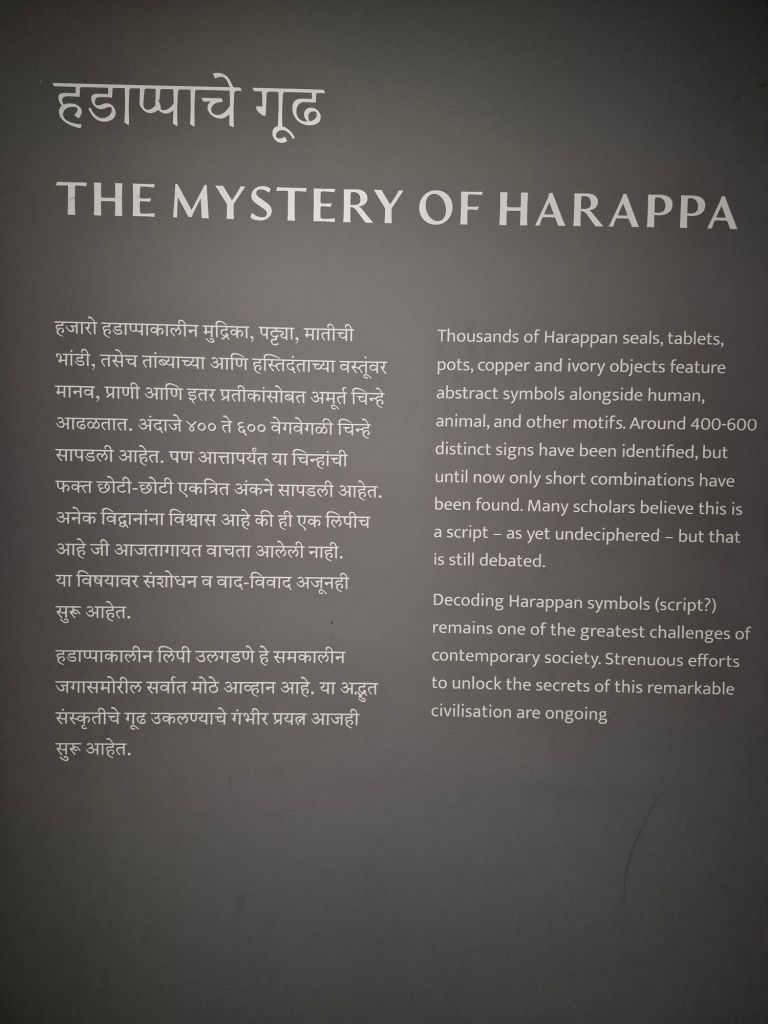
For me, this was one of the most fascinating aspects of the exhibition as it allows visitors to encounter original works from these ancient cultures and consider how ideas, technologies, artistic traditions and knowledge travelled between them. History is so often presented as a series of separate civilisations, each with its own timeline and achievements. Yet the reality is far more interconnected. People have always travelled, traded, exchanged ideas and influenced one another.
It is a wonderful reminder that history is not a collection of isolated stories but a network of human experiences.
The Stone Age: A Journey Through Time
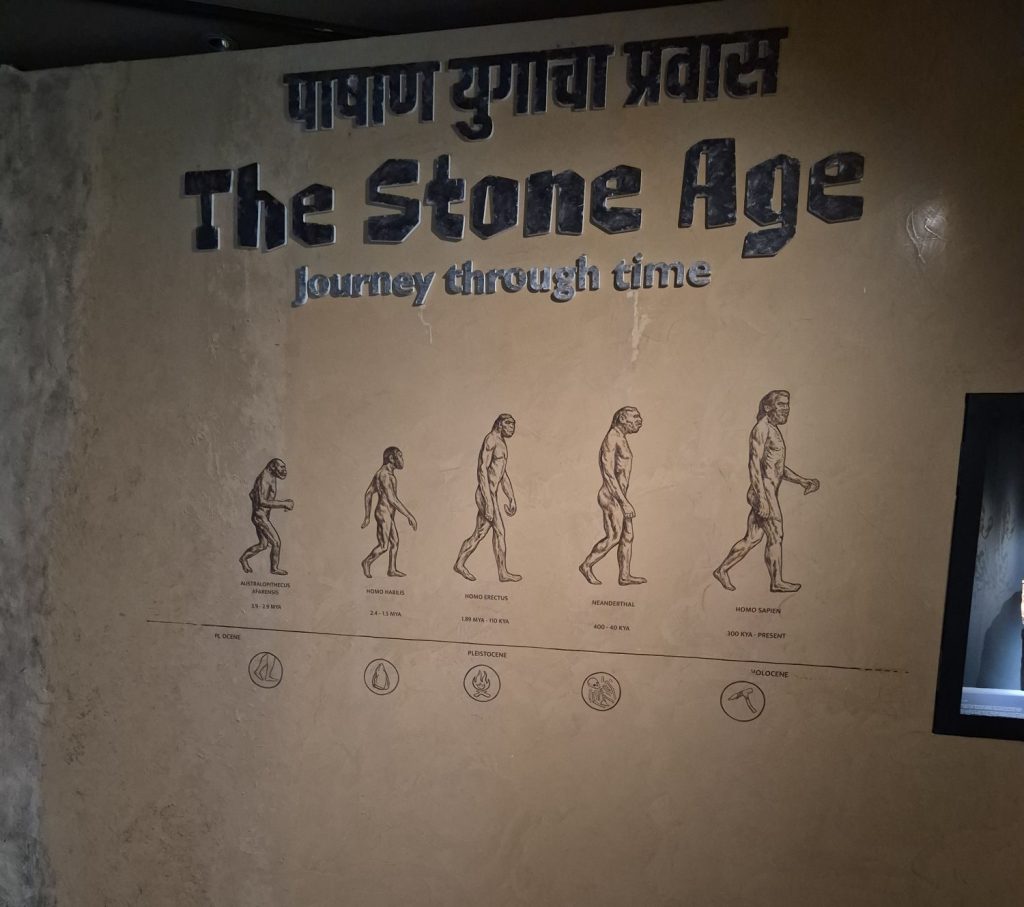
Another outstanding exhibition was The Stone Age: Journey Through Time, developed through a collaboration between CSMVS and the British Museum, building on the museum’s international collection-sharing partnerships. The exhibition traces the evolution of stone tools, from the heavy hand axes of the Palaeolithic period to the finely crafted microliths of the Mesolithic and the polished stone tools of the Neolithic.
The Stone Age represents the earliest and longest chapter of our shared human history. While materials such as wood and bone have often disappeared over time, stone tools have survived, providing some of the earliest evidence of human ingenuity and technological development. What struck me was how these seemingly simple objects tell such complex stories. They reveal not only how early humans survived but also how they developed skills, shared knowledge, solved problems and gradually transformed their environments.
As an educator, I loved the way the exhibition made these connections accessible. Rather than simply presenting objects in glass cases, it encouraged visitors to think about the people who made and used them.
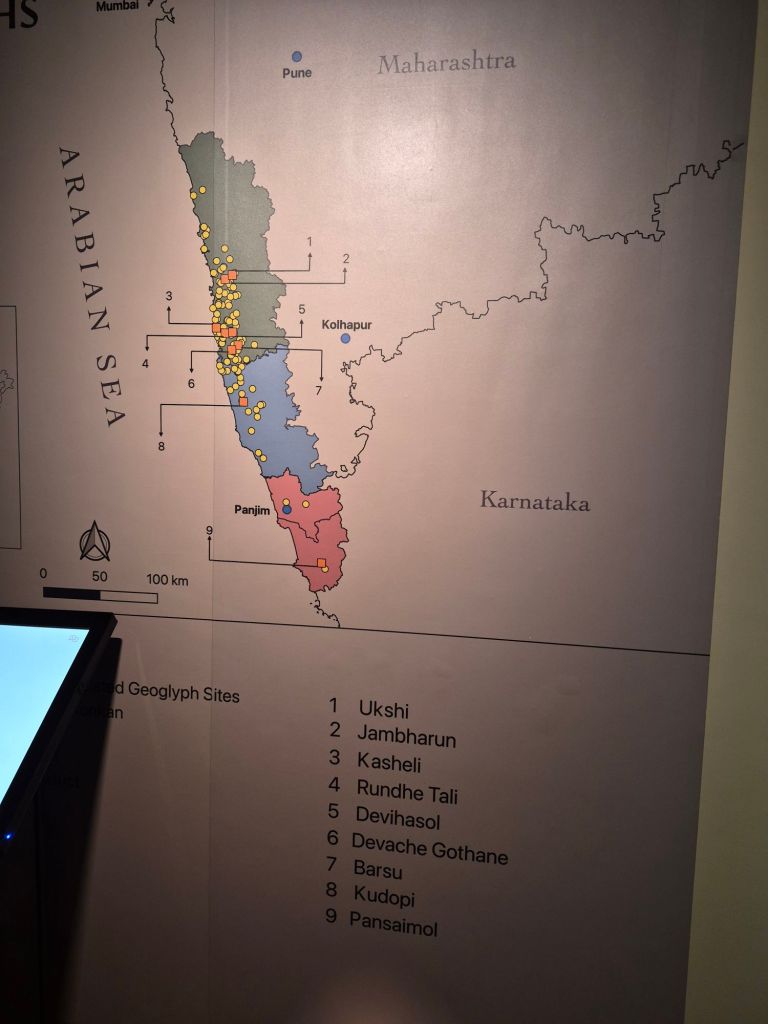
One of my favourite elements was the connection to the prehistoric geoglyphs of the Konkan region along the Maharashtra coast. These remarkable designs, carved into the region’s laterite plateaus, provide evidence of prehistoric artistic expression and offer a fascinating glimpse into the lives and beliefs of the people who created them.
I particularly appreciated how the exhibition connected local history with the wider story of human development. It demonstrated that the history of early humanity is not something that happened only in distant, better-known archaeological locations. Evidence of our shared human past exists much closer to home.
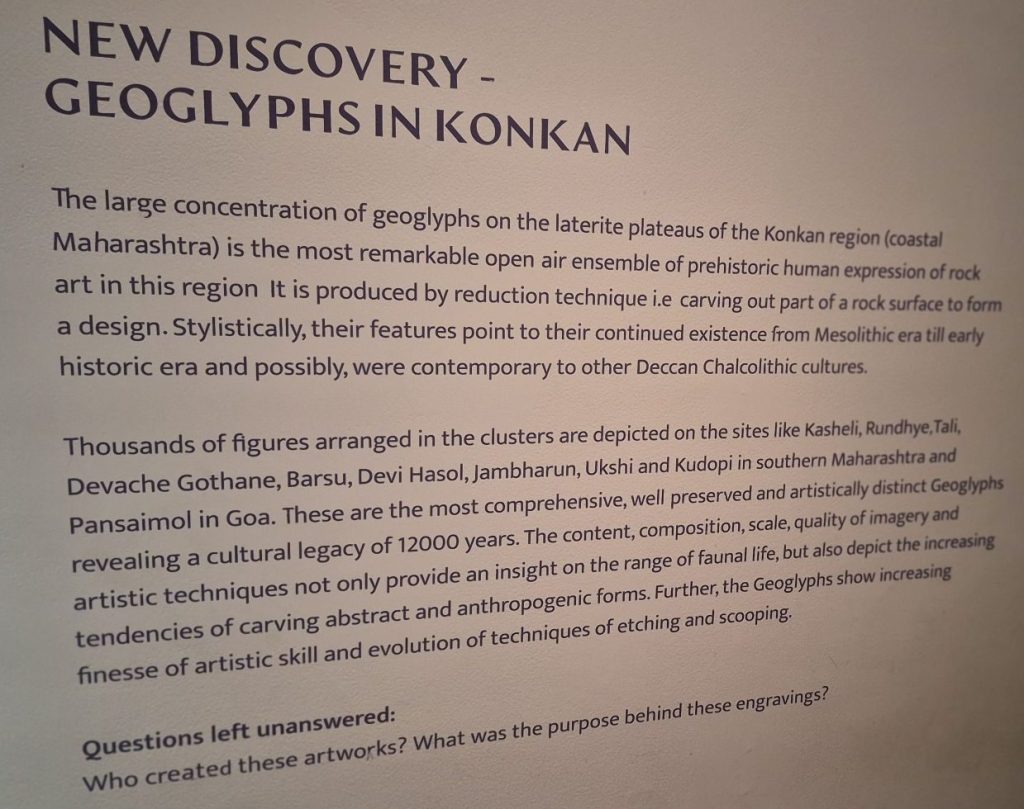
For me, this was excellent museum storytelling: taking something local and using it to explore something universal.
Roots of a City: The Pathare Prabhus of Mumbai
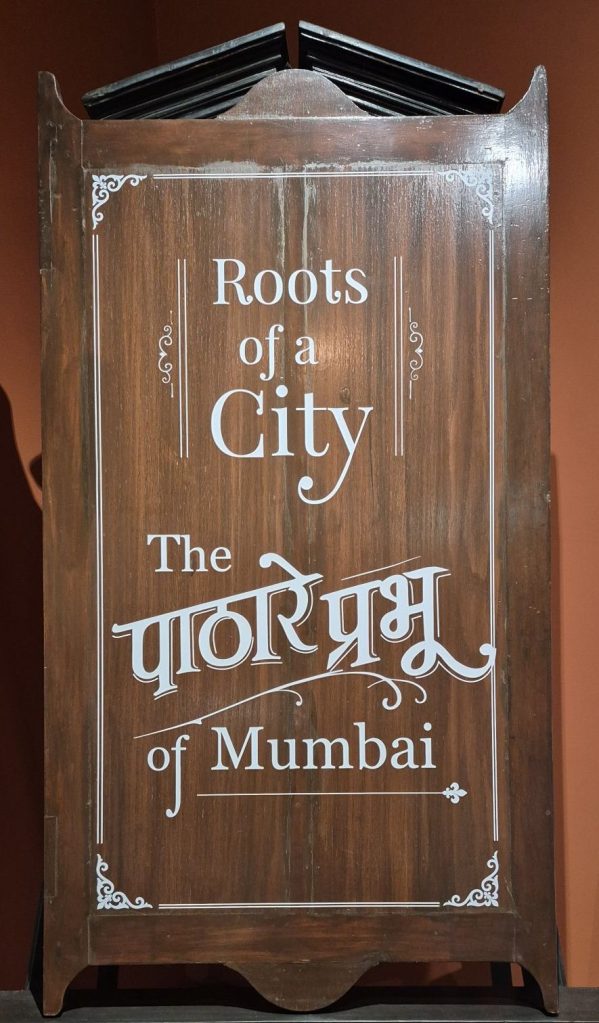
The exhibition Roots of a City: The Pathare Prabhus of Mumbai offered a different perspective, focusing on the people who helped shape the city itself. The Pathare Prabhus are recognised as one of Mumbai’s earliest communities, and the exhibition explores their origins, migration, traditions, social structures and contributions to the city’s development.
I found this particularly interesting because Mumbai is such a vibrant, complex city, constantly changing while somehow retaining strong connections to its past.
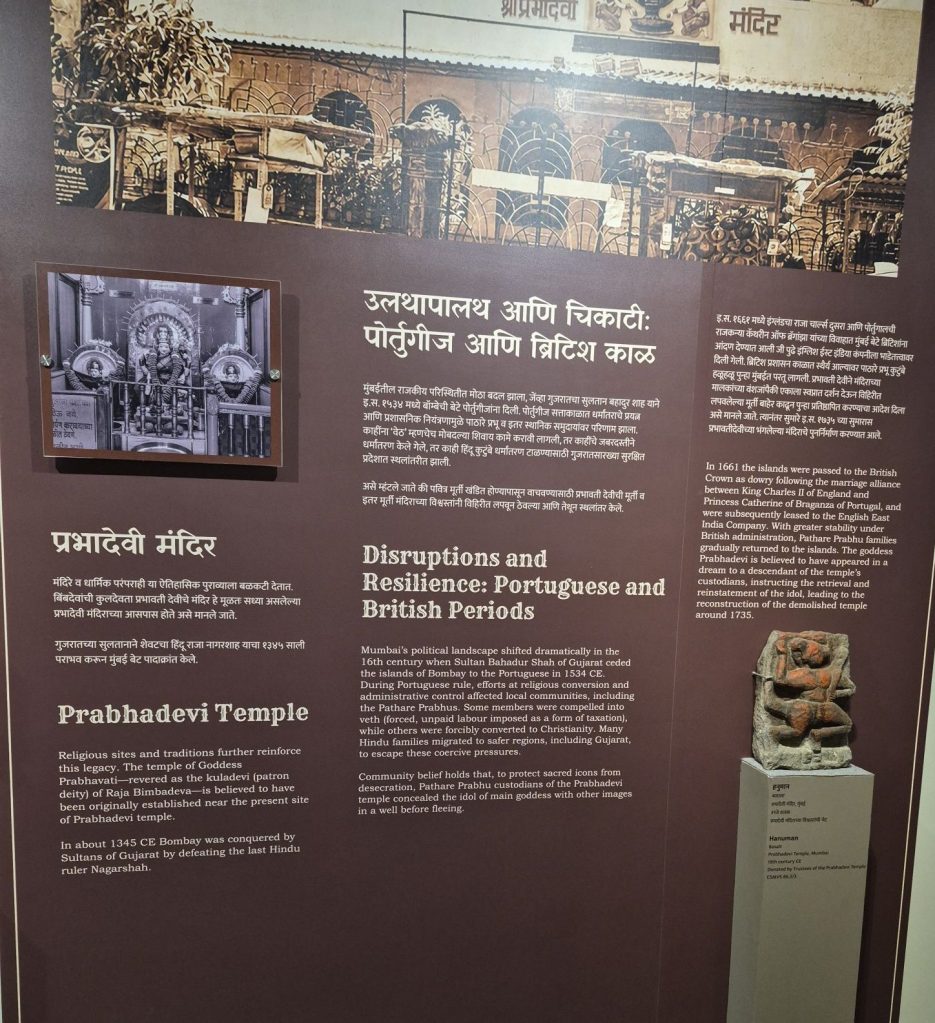
The exhibition highlighted how a community can adapt to changing social and cultural circumstances while maintaining its own distinct identity. It also reminded me of the importance of preserving local histories. The stories of communities, families and everyday lives are just as important to our understanding of the past as those of rulers, empires and major historical events. These are the stories that help us understand how a city becomes what it is today.
Art, Faith and Cultural Expression
Of course, there is much more to CSMVS than its temporary exhibitions.
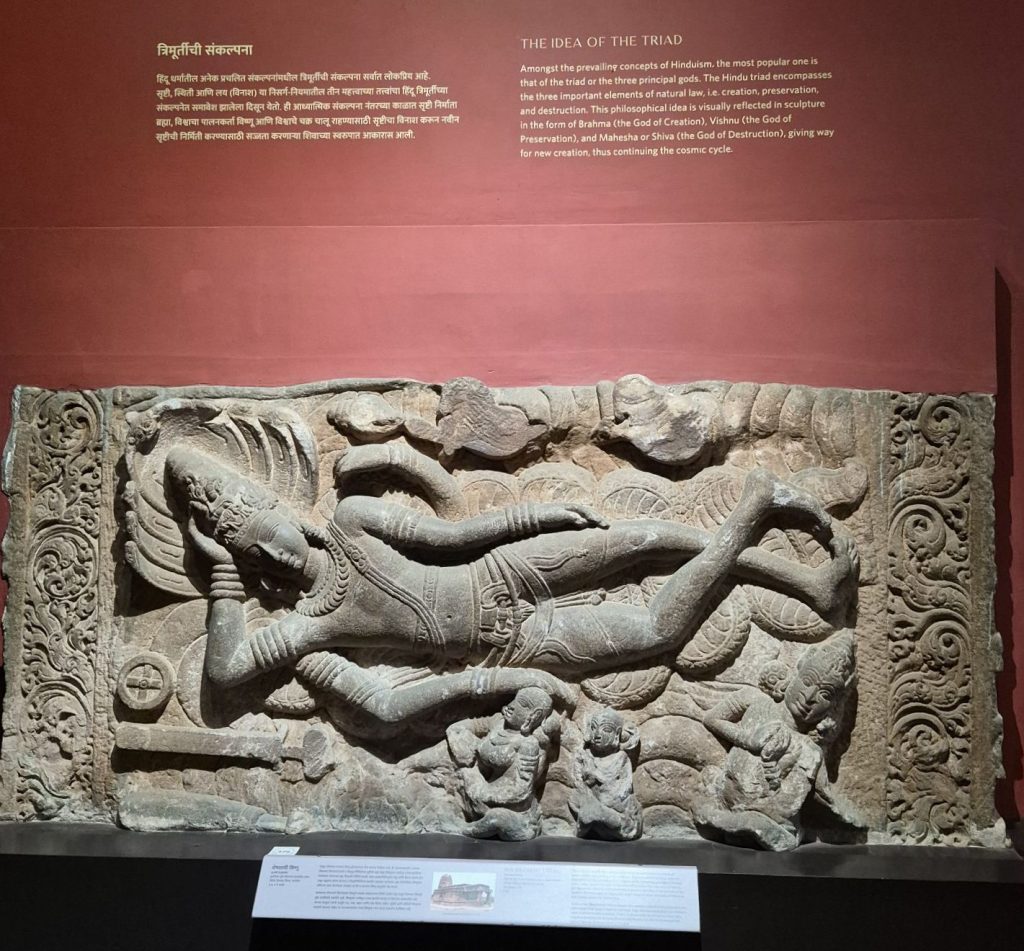
We also spent time exploring the Indian Sculpture Gallery, which contains an extraordinary range of works spanning many centuries. I was particularly taken by the sculptures depicting Hindu deities and the skill with which artists expressed devotion and reverence through their work.
There is something quite powerful about seeing how faith and artistic expression intersect. The detail, craftsmanship and symbolism in these sculptures are remarkable, particularly when you consider the tools and techniques available to the artists who created them. The galleries devoted to Jain and Buddhist art were equally fascinating, offering further insights into the relationship between religion, culture and artistic traditions.
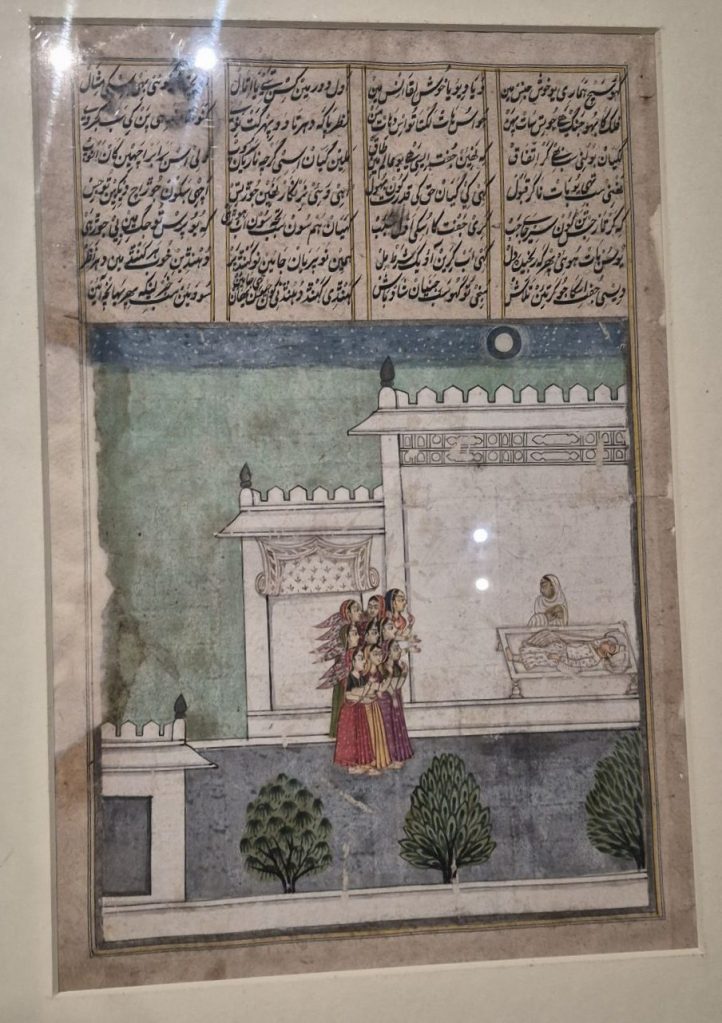
We also explored the East Asian Art Gallery, Arms and Armour Gallery and Indian Miniature Painting Gallery, each providing another perspective on the extraordinary diversity of artistic and cultural expression.
The Tata European Art Gallery, located upstairs, was also worth visiting. Its collection of European art provided an interesting contrast to the Indian and Asian galleries. Having just spent time immersed in the artistic traditions of the subcontinent, it was fascinating to move into a gallery reflecting a more Eurocentric artistic perspective.
I found myself thinking about how museums organise and present collections, and how those decisions influence the stories visitors take away.
A Teacher Librarian Never Really Switches Off
One of the things I love most about visiting museums is seeing how they make information accessible to different audiences. As a teacher librarian, I am always interested in how knowledge is organised, how stories are presented and how people are encouraged to engage with information. What impressed me most about CSMVS on this visit was the way its exhibitions moved beyond simply displaying beautiful or historically significant objects.
They provided context. They made connections. They encouraged questions.
The Networks of the Past exhibition challenged familiar historical narratives by placing India at the centre of a global story. The Stone Age connected local archaeological evidence to the broader development of humanity, while Roots of a City demonstrated the importance of community histories in understanding the places we live.
Each exhibition offered a different way of looking at the past, but together they reinforced something I believe strongly as an educator: learning becomes far more meaningful when we can make connections between what we already know and what we are discovering. This is very basic Zone of Proximal Development!
Furthermore, there is also something wonderful about encountering original artefacts rather than simply reading about them in a book or viewing them on a screen. Standing in front of an object created hundreds or even thousands of years ago brings a sense of immediacy to history that is difficult to replicate.
It makes you wonder about the person who created it, the world they lived in and the journey that object has taken to reach the present day. And, of course, I couldn’t help thinking about how wonderful some of these exhibitions would be for students!
Three Hours Wasn’t Nearly Enough
We spent around three hours exploring the museum, and honestly, we could easily have spent much longer. Every gallery seemed to offer something new, whether it was an ancient artefact, an intricate sculpture, a beautifully crafted painting or a story about Mumbai’s rich cultural heritage.
Having visited CSMVS numerous times over the years, it was wonderful to see how the museum continues to evolve. The newer exhibitions are engaging, thoughtfully curated and particularly effective at connecting Indian history with the wider world.
For anyone visiting Mumbai, I would thoroughly recommend setting aside a few hours to explore this remarkable museum. In fact, give yourself more time than you think you will need. It was a brilliant day, filled with history, art, culture and plenty of opportunities to learn something new.
And perhaps that is one of the joys of being a teacher librarian. Even when you’re on holidays, curiosity never really takes a break.