

I first read Circe when it was released back in 2019, but I am revisiting it years later, armed with a deepening obsession with Greek mythology (and after tumbling headlong down countless mythological rabbit holes). I found myself reading it through an entirely different lens. Previously, the novel read like a tragedy, a demigod, exiled for an unasked-for superpower and unrequited love, now reads as a meditation on agency, power and survival. Miller asks readers to reconsider whose stories have been told, whose voices have been silenced, and what happens when a woman refuses to accept the narrative written for her by others.
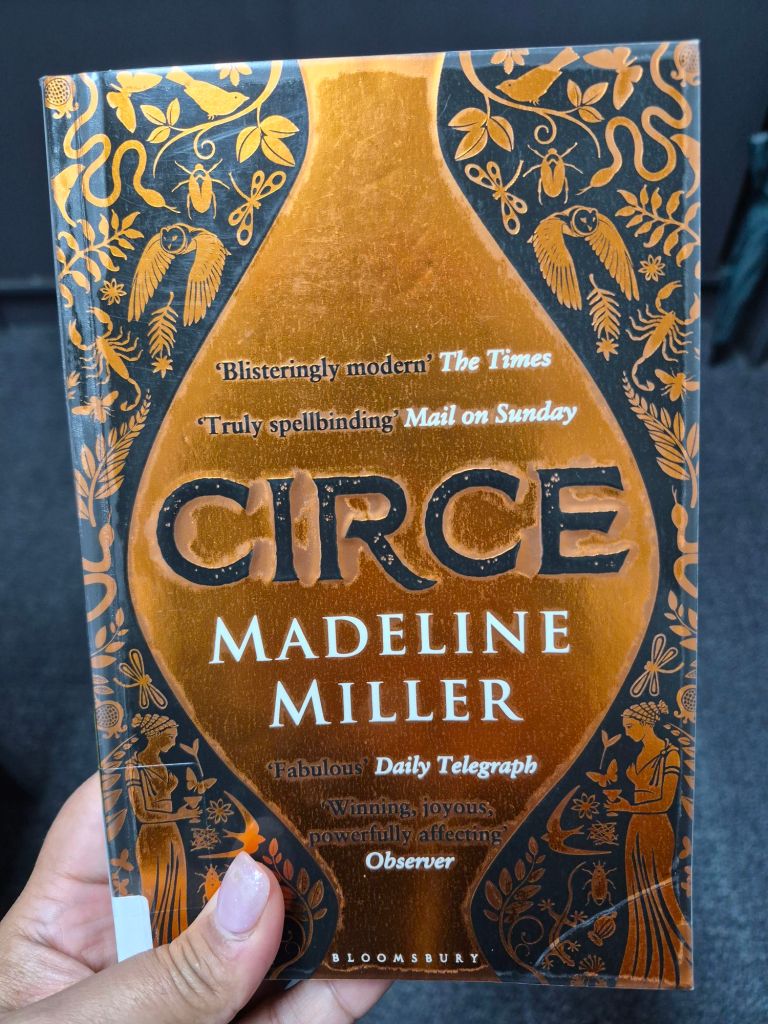
Of the many mythology retellings currently flooding bookshelves, Circe remains one of the standouts. It is, at its heart, one of the finest stories of a woman reclaiming her power and redefining her place in the world. Circe’s triumph is not found in conquest or revenge, but in her refusal to be constrained by the expectations of gods, men or fate itself. The novel’s enduring appeal lies in this journey of self-determination and redemption. Beautifully written, fiercely intelligent and deeply human, Circe is more than a story about gods and monsters. It is a story about finding one’s voice, claiming one’s identity and forging a future on one’s own terms.

