
One of the great joys of working in a school library is watching a story spill beyond the pages of a book and into the wider learning experiences of students. This week, our library celebrated Roald Dahl Week, marking both Roald Dahl Day and the fact that our Year 7 students have recently completed Boy as their class novel.
I have written previously about the enduring appeal of Roald Dahl and the remarkable ways his stories connect with young readers. What continues to fascinate me is that, decades after publication, his books still possess the power to spark curiosity, laughter, discussion and further reading. While our Year 7 students had already explored Dahl’s life through Boy, this celebratory week provided an opportunity to approach his work from a different angle. Rather than analysing a text for assessment, students were invited to simply enjoy the worlds, characters and imagination that have made Dahl such a significant figure in children’s literature.
And enjoy it they did.
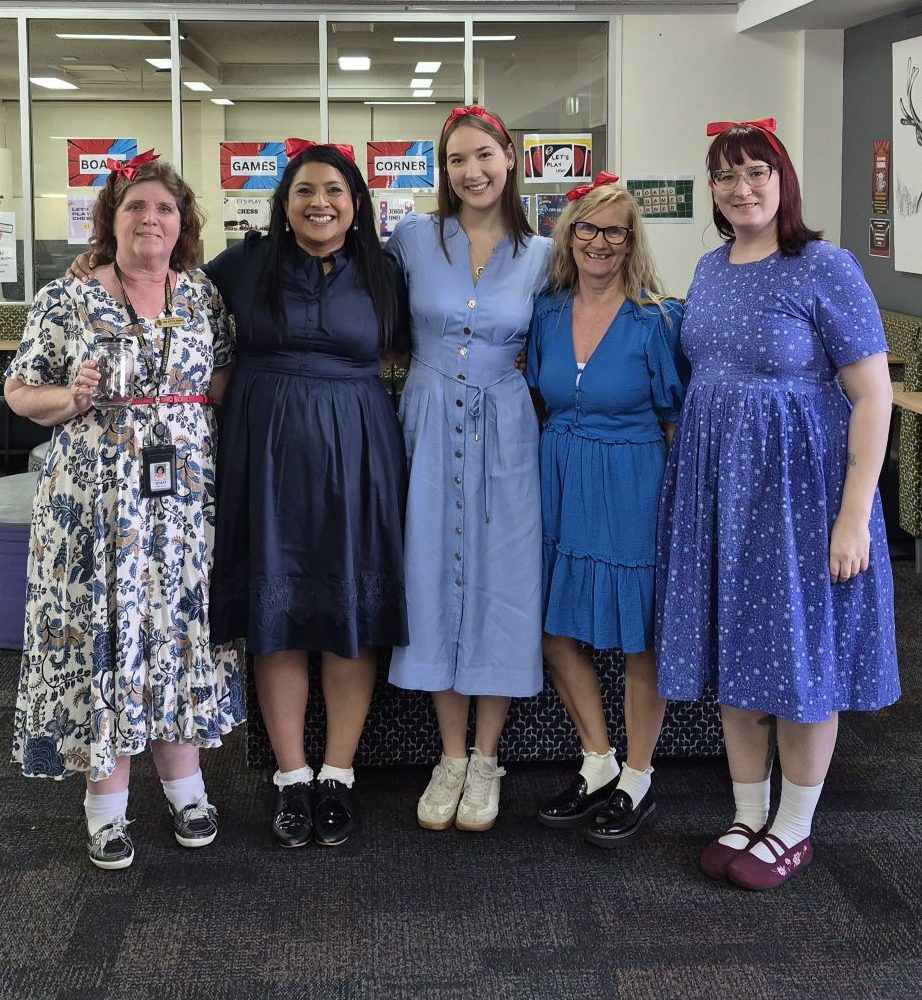
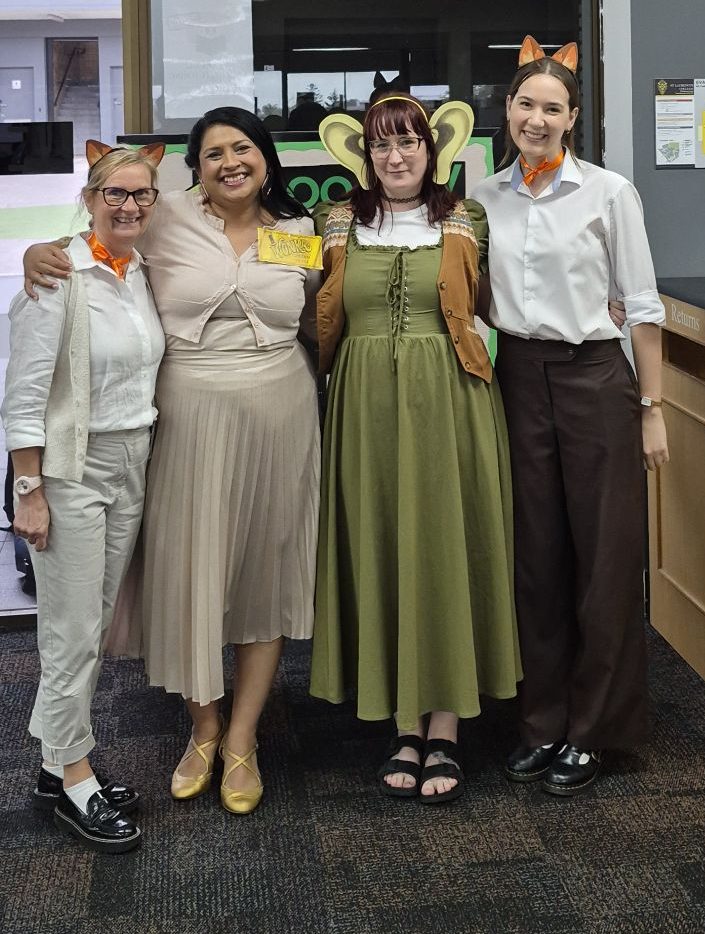
The week was filled with colourful book displays, activities and conversations. My library team embraced the occasion with enthusiasm. We welcomed a flotilla of Matildas, spotted two Fantastic Mr Fox(es), and I returned as my alter ego, Miss Trunchbull. The laughter and excitement generated by these simple acts of participation reminded me that reading cultures are built not only through books, but through shared experiences and visible enthusiasm from the adults around us.
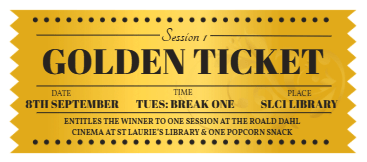
One of the highlights of the past two weeks was our Golden Ticket promotion. Any student who borrowed a book were entered into a draw to win a Roald Dahl cinematic experience at lunchtime (popcorn included). What began as a simple reading incentive quickly became a source of excitement. The response from our primary boys was particularly heartening. Many still remembered reading Matilda as their class novel and eagerly revisited Dahl’s work, often recommending favourite titles to friends.
Watching students connect with an author after studying a text reminded me that the impact of classroom literature can extend far beyond assessment. When schools create opportunities for students to revisit and celebrate stories they have loved, reading becomes part of their identity rather than simply another curriculum requirement. This observation is supported by research that suggests school library displays and reading promotions increase students’ engagement with books and improve resource discovery, helping young people connect with texts they may not have otherwise chosen (Rodgers, 2018).
What was most pleasing, however, was what happened beyond the costumes, displays and celebrations. Students began borrowing other Roald Dahl novels. They sought out books with similar humour and adventure. Some investigated Dahl’s life further, while others became curious about the Second World War and the fighter pilots that influenced his writing. A class novel had become a springboard into recreational reading, historical inquiry and independent learning.
This is where school libraries occupy a unique space within a school. We sit at the intersection of curriculum and curiosity. While classroom learning provides the foundation, libraries help students make connections, pursue interests and explore questions that arise from their reading. A well-timed display, a themed celebration or a casual book recommendation can transform a curriculum text from a completed assessment into the beginning of a much larger learning journey.
Research has consistently shown that school libraries contribute to student learning when they connect learners with relevant resources, foster inquiry and encourage engagement beyond the classroom (Lance & Kachel, 2018). What might appear to be a simple book display is often something much more significant. Displays invite exploration, facilitate resource discovery and create opportunities for students to make meaningful connections between what they learn in the classroom and the wider world. In this way, library initiatives support curriculum outcomes while also nurturing curiosity and independent learning.
Roald Dahl Week was never simply about dressing up. It was about helping students see that books do not exist in isolation. Stories connect to history, culture, creativity and personal interests. They open doors to new questions and new discoveries. The enduring popularity of Matilda, the enthusiasm generated by a Golden Ticket, and the curiosity sparked by Boy all point to the same conclusion: literature remains one of the most powerful vehicles for learning.
Increasingly, research suggests that reading promotion initiatives contribute not only to academic growth but also to students’ social and emotional development (Xia, 2025). When young people encounter compelling stories, they develop empathy, broaden their perspectives and gain insight into both themselves and others. These outcomes may be difficult to measure, but they remain fundamental to education.
When libraries create opportunities for students to engage with literature in joyful and authentic ways, we support curriculum outcomes while also fostering reader identity, curiosity and a lifelong love of learning.
And surely that is one of the most important things a school library can do.
References
Lance, K. C., & Kachel, D. E. (2018). Why school librarians matter: What years of research tell us. Phi Delta Kappan, 99(7), 15–20.
Rodgers, L. (2018, July 13). Circulation surge: Want your books to fly off the shelves? Try these ideas. School Library Journal. Circulation surge
Xia, L. (2025). Research on reading promotion strategies for primary and secondary school students under the “Double Reduction” policy: A dual perspective based on cognitive development and social-emotional learning. International Journal of New Developments in Education, 7(10), 37–45.

