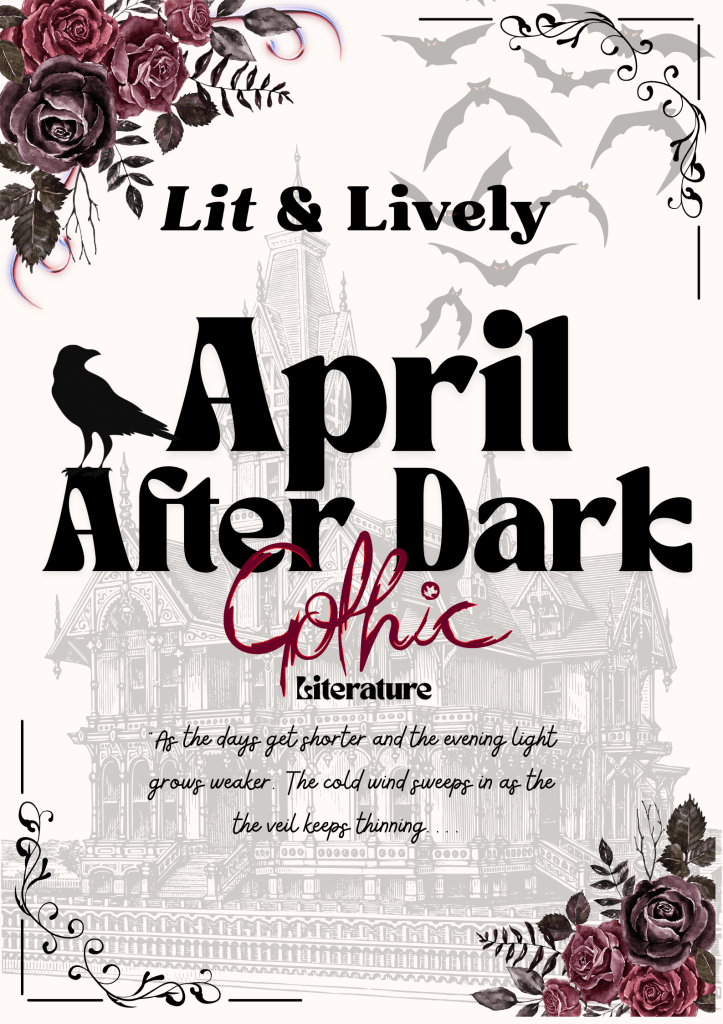
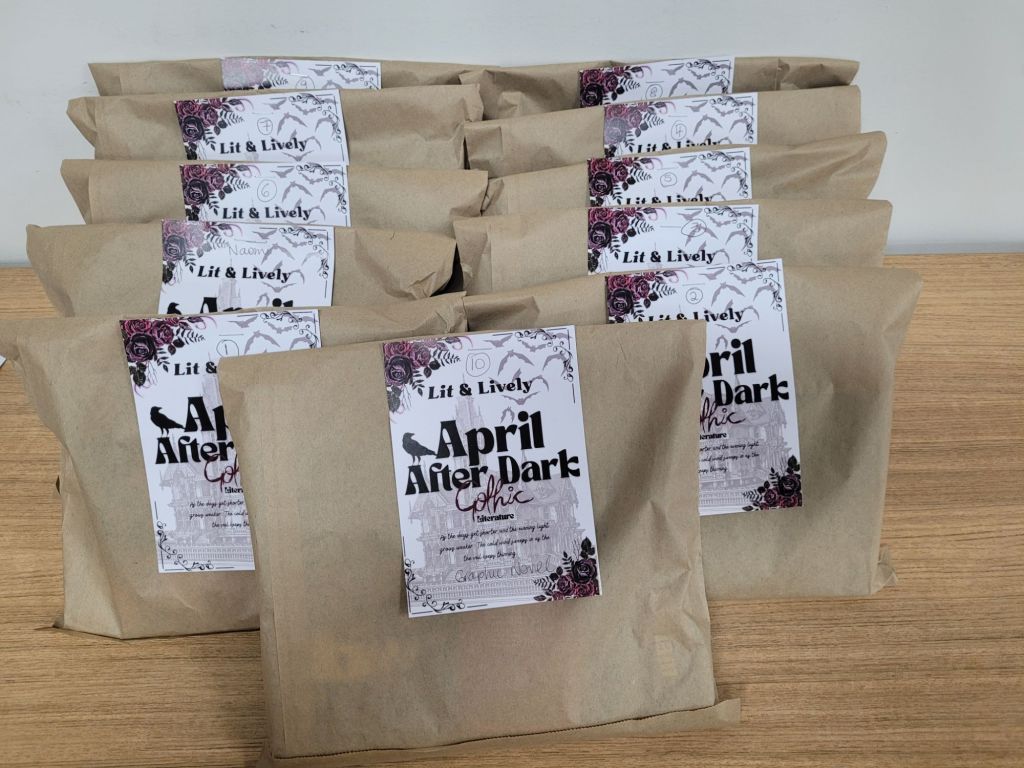
Lit & Lively, the school’s staff book club, is embracing the shadows this month with a gothic themed gathering titled April After Dark. This month’s meeting is centred around gothic literature, inviting staff to explore darker moods, mysterious settings, and stories that linger long after the final page. The format is welcoming and flexible. Staff read one shared text together, giving everyone a common starting point for discussion, before branching out into a range of gothic titles from the library collection. Each participant received a carefully prepared book pack, lovingly packed with the novels, a tea bag, and a chocolate biscuit, turning the reading experience into a small but meaningful indulgence during the autumn break.
April After Dark has also been a practical and creative way of using class sets that usually sit out of season. By repurposing these texts for staff reading, the library is reintroducing overlooked titles and highlighting how versatile the collection can be. Many participants have discovered books and genres they might never have explored without a themed invitation. It also reflects an important part of the Teacher Librarian role, which is not only to support students, but to guide and encourage staff in their own reading journeys and engagement with literature.
Through Lit & Lively, staff are gaining a deeper understanding of the breadth and depth of the school’s collection and reinforces the library as more than a curriculum support space. It is a place for curiosity, enjoyment, and reading for pleasure, modelling the reading culture we encourage in students.
There is also a strong wellbeing element. Reading for pleasure can act as a form of bibliotherapy, offering comfort, escape, and emotional renewal. Teachers often have little opportunity to read during the term, and the autumn break provides a rare pause to do so. Finally, Lit & Lively celebrates the social side of reading. Book clubs create space for conversation, shared reflection, and connection, reminding us that reading is often richest when it is shared.
As April grows darker, April After Dark reminds us that reading together can be restorative, enriching, and deeply human. Lit & Lively continues to affirm that teachers deserve time to read, reflect, and reconnect too.
Reading is widely recognised as a critical skill for young people, supporting the development of strong cognition, mental health and empathy. A growing body of research consistently shows that recreational reading in particular is linked with academic achievement, improved emotional regulation and more nuanced interpersonal understanding. Building a culture of reading, therefore, is not a peripheral task for schools. It lies at the heart of nurturing thoughtful, resilient and socially capable young people.
Yet despite these well established benefits, many children and teenagers do not naturally turn to teachers or teacher librarians for book recommendations (Merga, 2012). To be blunt, young people do not necessarily see adults as cool. Recommendations from teachers, no matter how well intentioned, may lack what adolescents consider to be genuine social credibility. The street cred factor is real, and it is powerful.
Further evidence comes from the work of Dr Margaret Merga, a well respected Australian researcher in literacy and reading engagement. In a mixed methods program examining the influence of social attitudes on reading behaviours, Merga (2012) noted that “perceived friends’ attitudes can have a more significant influence on boys than girls, [therefore] making books socially acceptable for boys should be a priority for educators.” This underscores the idea that book talk among peers is not merely casual chit chat. It is a mechanism of social permission. When books gain traction within a peer group, they gain legitimacy and ethos (Merga, 2012; Merga 2014).
Australia Reads similarly emphasises the importance of social engagement in building sustainable reading habits. Its principles highlight that young people need “positive social reading experiences” and opportunities to “recommend, discuss and share books and other texts in ways that are personally enjoyable and relevant”. In other words, reading thrives when it is relational.
At Lauries, we see these principles in action every day. While staff recommendations certainly have their place, it is peer driven reading culture that most reliably sparks curiosity, especially among reluctant readers. This is why we actively encourage students to reflect on and review the books they read. Their voices matter. Their opinions shape the reading landscape for others. The broader research base supports this emphasis on social recommendation and discussion as a driver of voluntary reading.
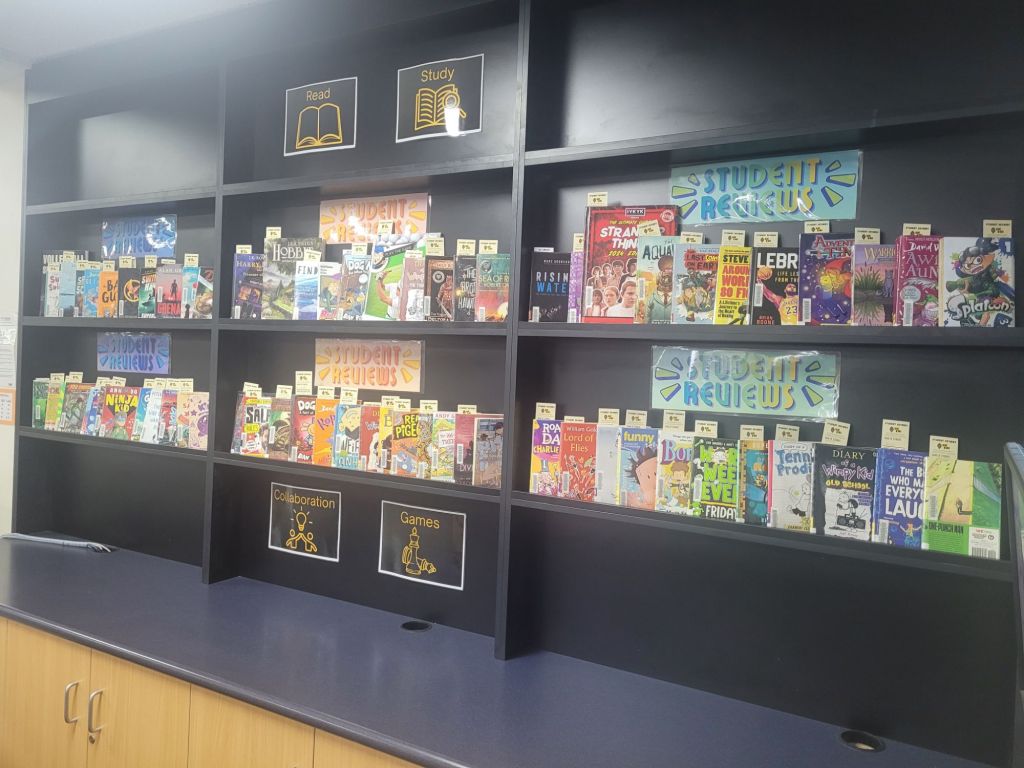
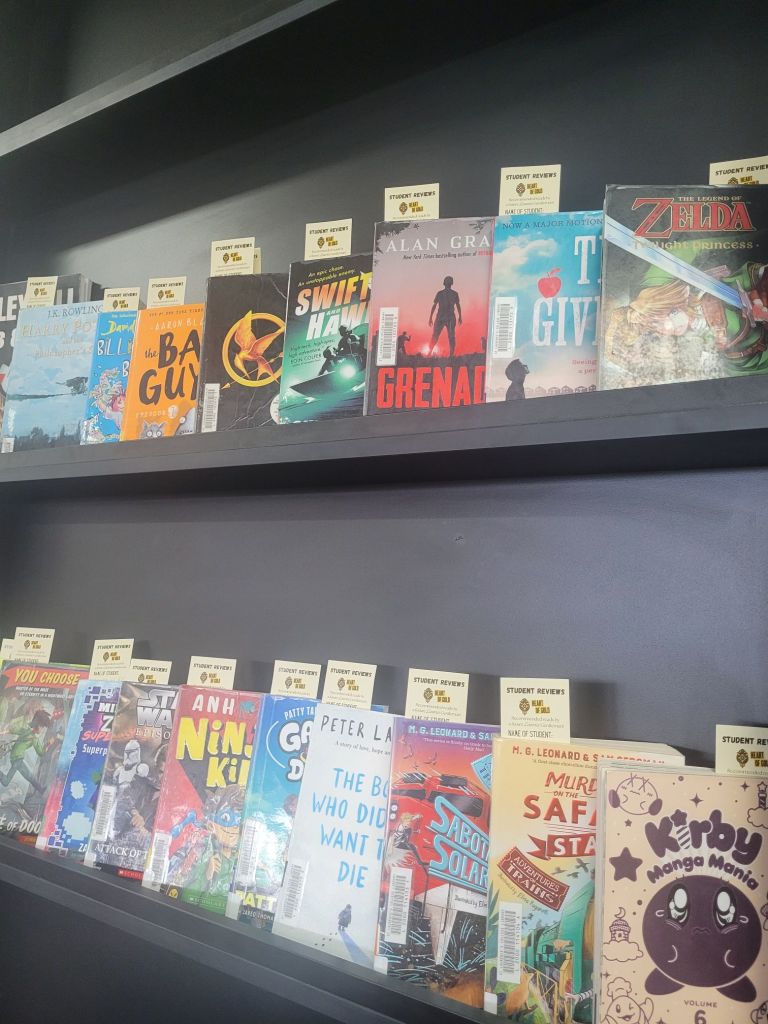
A visible expression of this culture is our wall of Lauries Lads Lit Picks. This growing collection showcases books that our students have personally endorsed. We often see reluctant readers wandering over, flicking through the displayed reviews until they discover a familiar name. That moment of recognition is powerful. When a friend or respected peer has enjoyed a book, the barrier to entry drops dramatically. The book becomes not just a text but a shared experience waiting to happen. The pattern aligns with evidence that peer attitudes and friend recommendations play an outsized role in adolescent book choice.
Cultivating a socially rich reading environment therefore requires more than simply providing access to books. It involves elevating student voice, valuing peer influence and creating spaces where reading is openly shared, discussed and celebrated. The evidence is unequivocal. When young people are given opportunities to recommend books to one another, their engagement deepens and their confidence as readers grows. Reading becomes woven not only into their academic lives but into their friendships, identities and everyday conversations.
By continuing to champion peer driven discovery, we support our students not only to read more but to read with curiosity, connection and purpose. That is a foundation that benefits them far beyond the walls of the library
Rutherford, L., Singleton, A., Reddan, B., Johanson, K., & Dezuanni, M. (2024). Discovering a Good Read: Exploring Book Discovery and Reading for Pleasure Among Australian Teens. Deakin University. https://eprints.qut.edu.au/247629/[eprints.qut.edu.au]
As the scholastic year draws to a close, children and teenagers eagerly anticipate the long summer holidays filled with play, family time and relaxation. While this break is important for wellbeing, research consistently shows that it can also lead to what is known as the summer reading slump. This phenomenon refers to the decline in literacy skills that many children experience during extended school breaks. Studies have found that children can lose up to a month of learning over summer, particularly in reading and spelling, with the effect most pronounced among children from lower socio-economic backgrounds who may have limited access to books and literacy-rich environments (National Library of New Zealand, n.d.).
Evidence from New Zealand highlights the importance of structured literacy teaching in preventing this decline. A study published in the New Zealand Journal of Educational Studies determined that the impact of explicit phonics, phoneme awareness and decoding strategies can embed foundational skills deeply enough to withstand the summer gap (Vosslamber, Walker, Millar-Swan, Motha, & Gillon, 2025). This reinforces the idea that strong classroom instruction can provide a buffer against learning loss.
Alongside structured teaching, regular reading at level is critical. When children engage with texts that match their ability, they reinforce vocabulary, comprehension and decoding skills while building confidence and motivation. Reading at level prevents cognitive decline associated with long breaks from literacy activities. Research also shows that children who participate in summer reading programs are more likely to maintain or improve their literacy skills. Benefits include increased motivation, improved comprehension and stronger connections between home and school learning (Reading Eggs, n.d.).
Governments and councils are aware of the risks posed by summer learning loss, which is why many have invested in free summer reading programs. These initiatives encourage children to keep reading for pleasure and skill development during the holidays. The Brisbane City Council Summer Reading Program, for example, offers fun challenges, rewards and community engagement to keep children motivated throughout the break (Brisbane City Council, n.d.). Programs like these not only support literacy but also foster a love of reading that lasts well beyond the summer months.
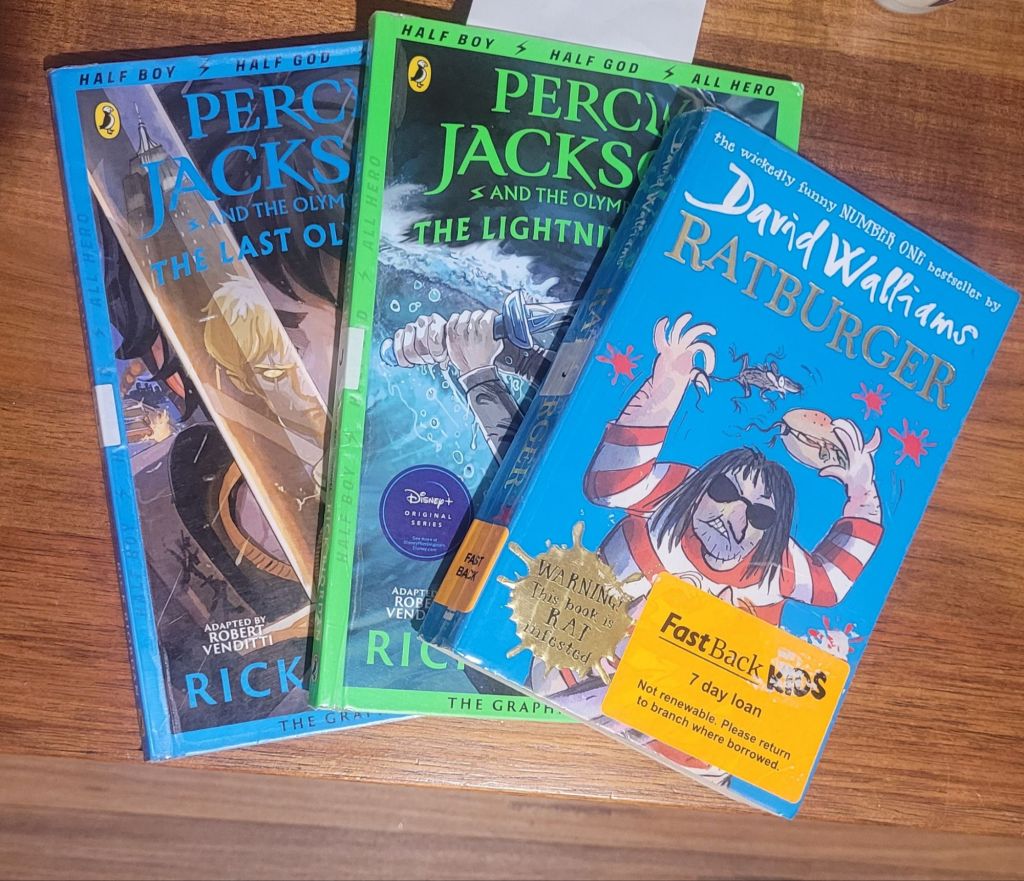
At my school, we have taken this one step further by setting up a summer reading challenge for both staff and students in the form of bookmarks. Students were given bookmarks that encouraged them to read a funny book, a book with a hero, a book by an Australian author and a book with an animal character.
Staff were challenged to read a book that made them laugh, one that made them cry, a book that gave hope and one recommended by a friend. This shared challenge not only promotes literacy but also builds a sense of community, with staff and students alike engaging in conversations about their reading choices and discovering new perspectives together.
The summer holidays should be a time of joy, but they do not have to mean a setback in learning. With structured teaching approaches, regular reading at level, community programs that make books accessible and fun, and school-based initiatives like reading challenges, children and adults alike can return to school inspired and ready to thrive. The evidence is clear: consistent engagement with reading is one of the most effective ways to prevent the summer slump and ensure that literacy skills continue to grow.
Suggestions for Teachers and Parents
Encourage children to read daily, even for short periods, with books that match their reading level.
Provide access to a variety of texts, including humorous stories, adventure tales, and culturally relevant works.
Model reading behaviour by sharing your own reading experiences and discussing books together.
Participate in local library programs or community reading initiatives to maintain motivation.
Create family reading routines, such as bedtime stories or shared reading times, to embed literacy into everyday life.
Celebrate reading achievements with small rewards or recognition to sustain enthusiasm.
Vosslamber, A., Walker, J., Millar-Swan, A., Motha, J., & Gillon, G. (2025). The impact of Better Start Literacy Approach teaching on the retention of children’s early literacy skills over the summer holidays. New Zealand Journal of Educational Studies, 60(3), 435–449. https://doi.org/10.1007/s40841-025-00405-2
On Sundays, our family has a rhythm. We go to church in the morning, then its off to our local library. The kids scatter to their favourite corners, borrowing books and settling in to read whatever strikes their fancy. The only rule is, that for every book that is a re-read, there must be one you have not read before.
This week’s book haul – mine.
Whilst my children scurry to their favourite genres, I grab a coffee and wander the shelves, letting my eyes land on whatever catches my eye. My husband always chuckles at this part. “You work in a library,” he says, amused. He’s right, of course. I do. But I work in a boys’ school library, and let’s just say the collection doesn’t quite float my boat. We then settle down for 30-45min of quiet reading together, but all on individual journeys.
There’s something different about being in a space where reading is chosen, not assigned. Where stories are picked for pleasure, not performance. That contrast has been sitting with me lately, especially after reading Loh et al.’s 2025 report on the decline in volitional reading and a recent piece in The Conversation about the new Children’s Booker Prize. Both paint a sobering picture: young people are reading less, and they’re enjoying it even less than that.
Loh, C. E. et al. (2025) The Decline in Volitional Reading: Evidence-Informed Ways Forward. National Institute of Education, Nanyang Technological University, Singapore.
Loh’s recommendations to improve literacy success.
agency
access to literature
time in daily routines
reflection and connection
social interaction
developing a positive reading identity
What struck me most in Loh’s report was what wasn’t there. None of the key principles mention curriculum reform. None suggest that testing is the answer. Instead, the focus is on joy, choice, and connection. Reading for pleasure is framed not as a luxury, but as a necessity. It’s a stronger predictor of reading attainment than socioeconomic status. That’s huge. It means that if we want to close literacy gaps, we need to open up space for enjoyment.
In my school library, I see the tension. Boys who associate reading with assignments, comprehension questions, and accelerated reader points. Not with curiosity or escape. Not with laughter or awe. And I wonder: what would happen if we let go of the scaffolds and trusted them to choose? The Conversation article makes a similar point. Awards like the Children’s Booker are lovely, but they won’t shift the culture on their own. What we need is a reimagining of reading in schools. Less about outcomes, more about experience. Less about control, more about trust.
Furthermore, parents need to remember that they are their children’s first educators. Is reading and literacy your household value? One of the key findings in Loh’s research is that children need access to literature and to see it modelled by the adults around them. Do parents take their kids to the library? Do they read in front of their children? Or do they presume that schools will take care of it? Do they even ask their children how often they visit the school library? These questions matter. Because when reading is visible and valued at home, it becomes part of a child’s identity, not just a school subject.
So here’s my quiet Sunday reflection: maybe the best thing we can do as educators is to make room and provide time. Room for stories that speak to our students. Room for browsing, for borrowing, for reading without a worksheet attached. Room for libraries that float their boats and time to lie back and float away.
Because when reading becomes a choice again, it becomes a joy again. And that’s where the magic lives.
I recently attended the QSLA conference at the beautiful State Library of Queensland. It was a fantastic day for school informational professionals to gather, share emerging news, identify new trends and trade in good old fashioned work chit chat.
Andy Griffiths – author of the famous Treehouse series, was our keynote speaker. I have known of Andy’s work for almost a decade. Whilst I have admired his works, I hadn’t fully appreciated his philosophy until now. His words, much like his books, were playful on the surface but deeply subversive underneath. They invited us to reconsider not just how children read, but why they need stories that break the rules.
Griffiths and his co-creator, illustrator Terry Denton have created the inventive, imaginative chaos that is the Treehouse series. I found it amusing that they named the main characters after themselves. Their fictional versions live in an ever expanding treehouse that defies logic and gravity, expanding with each book to include ludicrous additions like a marshmallow machine, a tank of man-eating sharks, and even a volcano. Their adventures are reckless, absurd, and often dangerous. But that danger is never real. It’s theatrical. It’s safe. It’s fiction.
… and that is the point. It is fiction as Andy pointed out last week to a large group of educators and informational professionals.
This was so true. In a world increasingly obsessed with safety, structure, and supervision, Griffiths’ books offer a counterbalance. They don’t just entertain their readers… they liberate them! They allow children to imagine running across six lanes of traffic or jumping into a volcano, not because they should, but because they can. In fiction, the consequences are exaggerated, the outcomes are ridiculous, and the lessons are embedded in laughter. Griffiths uses humour to engage the reader and builds into that playful sense that children have. As Griffiths said last week, “Reading is a game between the reader and the author. Authors make black marks on pages. Readers use these marks to make an image in their heads.”
I then thought about all the other books that ‘helped me break rules’. Darryl and Sally hosting midnight feasts at Mallory Towers, Matilda using her brain to solve problems, Trixie Belden and Nancy Drew resolving mysterious events. Each of these characters and books gave me option I may not have thought of previously.
Leaving the conference, I felt a renewed appreciation for the role of literature in childhood. Not just as a tool for literacy, but as a sanctuary for wild thought. Griffiths reminded us that imagination isn’t just fun. It’s vital. It’s how children rehearse life, test boundaries, and build resilience.
And maybe, just maybe, it’s how they learn to be free.
Each year, Banned Books Week invites us to reflect on the importance of intellectual freedom and the dangers of censorship. Around the world, books are challenged or removed from shelves due to content deemed offensive or ideologically inappropriate by local authorities. These decisions often reflect broader societal tensions around race, gender, sexuality, and political beliefs.
In Australia, the free flow of information is protected by legislation such as the Freedom of Information Act, and championed by organisations like the Australian Library and Information Association (ALIA). ALIA upholds core values of open access to knowledge and ideas, ensuring that libraries remain spaces where diverse perspectives can be explored without fear or restriction. Public libraries, in particular, play a vital role in this mission by offering equitable access to information and digital resources for all citizens. Platforms like Trove, hosted by the National Library of Australia, further support this by providing access to a vast and growing collection of digitised newspapers, books, images, and more.
However, the conversation around banned books takes on a different tone in school libraries. Here, the issue is not so much about banning books, but about what to include. School libraries operate within a framework of collection development and management policies, which guide decisions about which resources best support the needs of the school community. The point of a school library is to support student success by providing access to resources that meets the curriculum whilst also fostering skills in reading, research and informational literacy. Therefore, any policies regarding the breadth and depth of a collection will factor in curriculum relevance, age appropriateness, and the diversity of student experiences.
So when I look at the list of most commonly banned books worldwide… I realise we have most of them on the shelves.
Most Commonly Banned Books Worldwide (All-Time)
The Catcher in the Rye – J.D. Salinger Banned for profanity, sexual content, and themes of rebellion.
We have this title as it is considered a classic as is in our senior collection aimed for sophisticated readers in Grade 10 and above.
To Kill a Mockingbird – Harper Lee Challenged for racial themes and language
We have this title as it is considered a classic. It currently sits in our Classics collection and is available for students to borrow. It is also a class text and is frequently used as part of novel studies.
1984 – George Orwell Banned for political themes and criticism of totalitarianism
We have this title as it is considered a classic. It currently sits in our Classics collection and is available for students to borrow. It is also a class text and is frequently used as part of novel studies.
Harry Potter series – J.K. Rowling Challenged for promoting witchcraft and occultism
We have numerous copies of this!
The Satanic Verses – Salman Rushdie Banned in several countries for blasphemy
We don’t have this text as it does address the curriculum.
The Handmaid’s Tale – Margaret Atwood Banned for sexual content and perceived anti-religious themes
We have this title as it is considered a classic. We do have this novel in our senior collection aimed for sophisticated readers in Grade 10 and above. It is also a class text and has been used as part of novel studies.
Beloved – Toni Morrison Challenged for graphic depictions of slavery and violence.
We don’t have this text as part of our collection. We do have 12 years a slave, The Colour Purple and Uncle Tom’s Cabin.
Lolita – Vladimir Nabokov Banned for being “obscene” in several countries
We do not have this novel because it does not meet any curriculum requirements.
Fifty Shades of Grey – E.L. James Banned for erotic content and BDSM themes
We do not have this novel because it does not meet any curriculum requirements.
The Grapes of Wrath – John Steinbeck Banned for political reasons and profanity.
We do have this novel in our senior collection aimed for sophisticated readers in Grade 10 and above.
I will point out that one of the challenges of being in a school with students from Grade 5-12 is that what may be appropriate for a senior student to read may not me developmentally appropriate for a younger boy. To manage this, we have further classified the fiction texts into general (all years), middle fiction (Grades 7-9) and senior fiction (Grades 10-12). Students are able to freely access resources within their ‘age range’. However, they require parental permission to access more sophisticated readers. This ‘limiting’ of access is our way of supporting the free movement of information whilst acknowledging that some novel themes could cause distress to an immature brain.
This distinction of inclusion versus exclusion of texts is crucial. While public libraries are bound by principles of universal access, school libraries must balance educational goals with community values. This is where the role of a teacher librarian is imperative because school libraries need staff that are fully trained and qualified. They need someone who is an informational professional and an educator to be able to craft a collection development policy that helps ensure that resource selection is transparent, consistent, and inclusive, rather than reactive or restrictive. It is this combined capacity that empowers teacher librarians to advocate for collections that reflect the richness of student identities and the complexity of the world they inhabit. Unfortunately, here in Queensland, many schools lack a qualified informational professional in their school library, that is if they have a library at all! This an absolute travesty for the children and their wider communities.
Ultimately, Banned Books Week reminds us all why intellectual freedom matters. This week serves as a poignant reminder of the fragile nature of intellectual freedom as it honours the fundamental right to read, to explore ideas from all perspectives, and to seek truth without interference. Each year, the spotlight falls on books that have been challenged or removed because they represent discomfort or dissent for a select few individuals. However, in doing so, we need to think about the deeper cost of censorship: the narrowing of thought, the silencing of voices, and the erosion of a society built on open inquiry and democratic exchange. Whether in public or school libraries, our responsibility is to foster environments where curiosity is encouraged, critical thinking is nurtured, and all voices have the opportunity to be heard.
If you’ve ever heard the term “weeding” in the context of school libraries and pictured yourself in gumboots pulling dandelions from the fiction section—don’t worry, you’re not alone. But while it might sound like a gardening chore, weeding in libraries is a vital part of collection development. Think of it as removing the junk so the flowers can stand out—because every great library deserves to blossom.
Weeding, or deselection, is the process of removing outdated, damaged, irrelevant, or unused resources from the collection. It’s not about discarding books for the sake of it; it’s about curating a vibrant, purposeful collection that supports student learning, teacher needs, and curriculum goals. A well-weeded collection is easier to navigate, more appealing to browse, and more likely to be used. It’s the difference between a cluttered storeroom and a well-organised learning hub.
Here in our library, we’re about to begin a weeding process ahead of our fiction stocktake. From a logistical perspective, it gives us a chance to winnow what is not being effectively utilised and what is not supporting the ethos of our library. It also gives us the perfect opportunity to refresh the shelves and make space for stories that truly resonate with our readers. We’ll be using our Collection Development and Management Policy to guide our decisions, focusing on books that are outdated, physically unattractive (yes, those yellowed pages and cracked spines count!), or simply no longer meeting the needs of our school community. If it hasn’t been borrowed in years, doesn’t reflect current values, or makes students wrinkle their noses, it’s probably time to say goodbye.
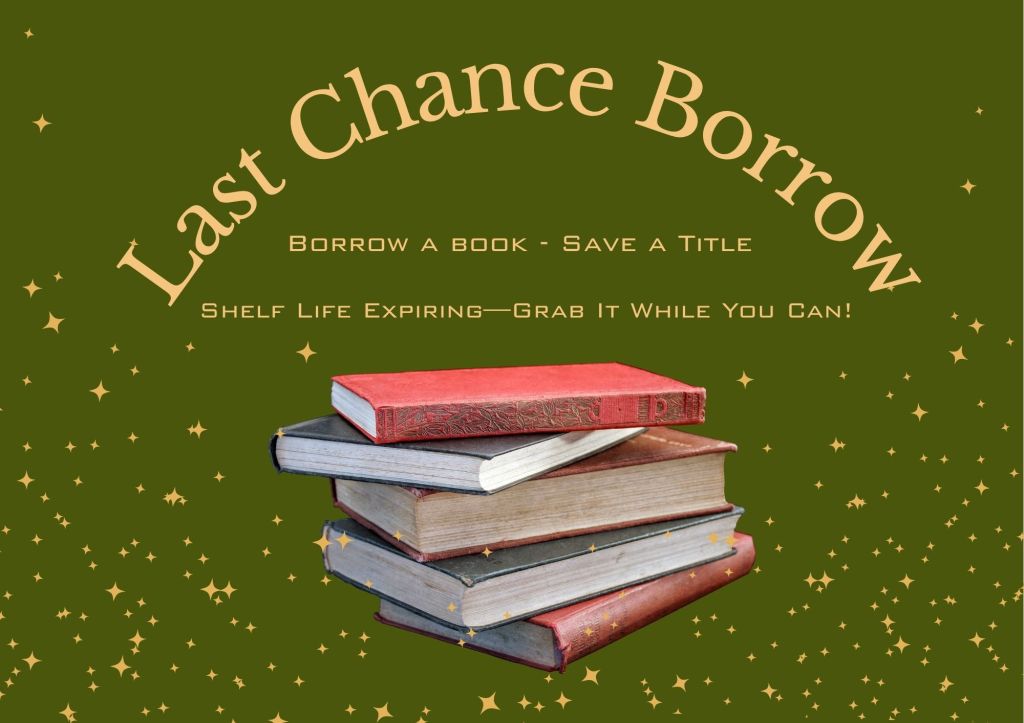
However, I will add that I have an inner Book Dragon and that one is loathe to get rid of books. Therefore, just to make sure, we are going to give these books one last hurrah, we’re setting up a “Last Chance Borrow” display. This is a fun and engaging way to spotlight forgotten titles that might still have a spark of interest left in them. Students and staff will have the chance to browse and borrow these books before they’re officially retired. Who knows—maybe a hidden gem will find a new fan! It’s also a great opportunity to start conversations about what makes a book worth keeping and how our reading tastes evolve over time.
Our process of weeding is made easier by having a very clear policy and process. Our LMS, Oliver, provides us with a list of titles that have not been borrowed in recent times. This list, combined with our policy, helps us set clear parameters and ensures that our choices are thoughtful and consistent. We’re not just tossing out books—we’re making room for new voices, fresh ideas, and engaging reads that support literacy and learning. Weeding also helps us maintain a collection that’s inclusive, relevant, and aligned with our school’s educational goals.
Of course, weeding can be emotional. Saying goodbye to old favourites isn’t easy. But remember: a library isn’t a museum. It’s a living, breathing space for discovery and growth. And just like a garden, it needs regular tending. So grab your metaphorical secateurs, consult your policy, and let those literary flowers bloom. Your students—and your shelves—will thank you.
Coming-of-age novels have long held a central place in literature, offering rich terrain for both personal reflection and academic exploration. For educators working with adolescents, these texts are more than just stories—they are mirrors and windows into the complex journey of growing up. This post explores why coming-of-age literature resonates so deeply with teenagers, why it matters in the curriculum, and how educators can harness its potential to foster empathy, identity formation, and critical thinking.
Bildungsroman
Adolescence is a period marked by emotional intensity, identity exploration, and social upheaval. Coming-of-age novels, also known as bildungsroman, capture this liminal space with authenticity and nuance. Teen readers often see themselves reflected in protagonists who grapple with similar dilemmas: family conflict, peer pressure, romantic entanglements, and the search for purpose. These narratives validate the adolescent experience, offering reassurance that their struggles are not isolated but part of a universal human journey.
Moreover, the first-person perspective common in young adult fiction allows readers to inhabit the protagonist’s inner world. This immersive quality fosters emotional resonance and encourages teens to reflect on their own values, choices, and aspirations. As Biscontini (2024) noted, coming-of-age literature “provides young people with a relatable experience while offering adults a sense of nostalgia,” and often centres on the loss of innocence, self-discovery, and the struggle to adapt to societal expectations.
Why They Matter in the Curriculum
From a pedagogical standpoint, coming-of-age novels are invaluable tools for teaching literary analysis, thematic exploration, and cultural literacy. These texts often engage with issues such as race, gender, class, and mental health: topics that are both timely and timeless. By studying these works, students develop empathy and gain insight into diverse lived experiences.
Importantly, coming-of-age literature also supports identity development. For students from marginalised backgrounds, seeing characters who reflect their realities can be empowering. For others, these stories offer a chance to understand perspectives different from their own. As such, these novels contribute to a more inclusive and socially aware classroom environment (Federation of Egalitarian Communities, 2024).
Why Choosing the Right Text Matters—Especially for Boys.
“Puberty is merciless. Regardless of who you are,” Becky Albertalli in Simon vs. the Homo Sapiens Agenda
This sentiment that captures the emotional turbulence of adolescence with striking clarity. For boys, this period can be particularly complex, often shaped by conflicting expectations around masculinity, emotional restraint, and identity formation.
Potential reads
Choosing the right coming-of-age texts for boys is not merely about fostering a love of reading. It is about offering them tools for emotional literacy, ethical reasoning, and self-reflection. These stories help boys navigate moral ambiguity, understand the consequences of choices, and appreciate the nuances of human relationships. Crucially, they provide a safe space to explore vulnerability, fear, and belonging, which often occur before boys feel equipped to express these experiences in their own words.
Selecting texts that feature emotionally authentic male protagonists, whether they be sensitive, conflicted, resilient, or flawed; can disrupt narrow stereotypes and expand boys’ understanding of what it means to grow up. When boys see themselves reflected in literature, or encounter perspectives that challenge their assumptions, they are more likely to engage deeply and critically.
Incorporating well-chosen coming-of-age novels into the curriculum also supports literacy outcomes. The relatability of the content increases motivation, while the layered narratives encourage boys to interpret symbolism, character development, and thematic complexity. With the right texts, educators can foster not only stronger readers, but more thoughtful, empathetic young men.
How Students Socially Learn from Narrative Fiction
Recent research by Gasser, Dammert, and Murphy (2022) offers a compelling framework for understanding how children socially learn from narrative fiction. Their integrative review identifies three distinct mechanisms:
Getting the Lesson – where children extract and internalise explicit moral messages from the text.
Simulating Social Worlds – where readers imaginatively engage with fictional characters, enhancing empathy and perspective-taking.
Dialogic Inquiry – where students develop social reasoning through peer dialogue about complex sociomoral issues raised in fiction.
This framework is particularly relevant for educators designing literature programmes that go beyond comprehension and into the realm of ethical inquiry and emotional intelligence. It supports the use of coming-of-age novels as tools for cultivating sociomoral competencies in the classroom.
Key Texts – Australian Coming of Age stories for Boys
Australian literature offers a rich and diverse array of coming-of-age narratives that speak directly to local contexts, landscapes, and cultural tensions. There are wide range of novels that can be utilised effectively in the classroom, however, these texts are particularly valuable for fostering national literary literacy and connecting students with stories that reflect their own communities.
Jasper Jones by Craig Silvey
Boy Swallows Universe by Trent Dalton
I am not really here by Gary Lonesborough
Rowan of Rin by Emily Rodda
Breath by Tim Winton
The first third by Will Kostakis
Scartown by Tristan Bancks
The Sidekicks by Will Kostakis
Ready when you are by Gary Lonesborough
Key Texts: Classic Coming-of-Age Novels
These canonical works have shaped the genre and continue to offer profound insights into the human condition. They are ideal for comparative studies and historical context.
David Copperfield by Charles Dickens
The Picture of Dorian Gray by Oscar Wilde
The Catcher in the Rye by J.D. Salinger
The Adventures of Huckleberry Finn by Mark Twain
To Kill a Mockingbird by Harper Lee
The Outsiders by S. E. Hinton.
Key Texts: Modern Coming-of-Age Novels
Contemporary novels reflect the evolving challenges faced by today’s youth, including cultural identity, mental health, activism, and global conflict. These texts are especially relevant for engaging students in current social discourse.
Gasser, L., Dammert, Y., & Murphy, P. K. (2022). How do children socially learn from narrative fiction: Getting the lesson, simulating social worlds, or dialogic inquiry? Educational Psychology Review, 34(3), 1445–1475. https://doi.org/10.1007/s10648-022-09667-4
Sun, X. (2024). Teaching young adult literature in secondary L2 classrooms: A case study of The Outsiders reading programme. The Language Learning Journal, 52(3), 233–254. https://doi.org/10.1080/09571736.2022.2107694
If you’re looking for books that speak directly to boys—stories packed with action, danger, and emotional grit—Jack Heath is an author who delivers every time. Based in Canberra, Heath has become a standout voice in Australian young adult fiction, known for his fast-paced narratives and male protagonists who face extreme challenges and somehow manage to survive. His books aren’t just entertaining—they’re powerful tools for building resilience, especially in young readers who need to see that courage isn’t about being fearless, but about pushing through fear.
One of Heath’s most popular texts in my school library is the Minutes of Danger series. Each book features ten short stories, each unfolding in real time over ten minutes. Titles like 300 Minutes of Danger, 400 Minutes of Danger, and 500 Minutes of Danger are perfect for reluctant readers, offering bite-sized thrillers that are impossible to put down. The protagonists are often boys who are caught in life-or-death situations. They must rely on quick thinking, bravery, and resourcefulness. These stories are not only gripping but also subtly teach problem-solving and emotional regulation under pressure.
The Liars series takes a different angle, blending tech intrigue with moral complexity. It follows Jarli, a teenage inventor whose lie-detecting app turns him into a target. Across titles like The Truth App, No Survivors, and Armageddon, Jarli navigates a world where truth is dangerous and trust is hard-earned. These books explore ethical dilemmas, the consequences of innovation, and the importance of standing up for what’s right, even when it’s risky. Jarli’s journey is one of growth, resilience, and learning to think critically in a world full of deception.
Then there’s the Money series, featuring Ashley Arthur is based around a teen thief with a conscience. In Money Run and Hit List, Ashley pulls off high-stakes heists while wrestling with questions of morality and loyalty. These books are like Ocean’s Eleven for young readers, combining adrenaline-fueled action with deeper themes about risk, justice, and the blurry line between right and wrong. Ashley’s cleverness and internal compass make him a compelling role model for boys who are learning to navigate complex social dynamics.
“Thrills, Truth, and Tough Choices”
Jack Heath’s literary universe doesn’t stop at young adult fiction—it boldly steps into adult territory with the Timothy Blake series, beginning with Hangman. This marks Heath’s foray into darker, more psychologically complex storytelling, offering older teen readers a bridge into adult fiction. I have recently acquired the series for my school library because these books are perfect for boys who’ve grown up devouring his YA thrillers as they provide a natural progression into more mature narratives. With a protagonist who’s part genius, part monster, and whose moral compass is as twisted as the crimes he solves, the series channels unmistakable Thomas Harris’ Hannibal Lecter vibes, intelligent, disturbing, and impossible to look away from.
For boys’ schools and educators curating their library collections, authors like Jack Heath are essential. His stories don’t just entertain. They shape character. They help boys confront fear, wrestle with ethical decisions, and develop emotional resilience. In a world that often asks boys to be tough without teaching them how to be strong, Heath’s books offer a roadmap. They help boys grow, not just as readers, but as young men learning to navigate complexity, responsibility, and identity.
Jack Heath’s stories are more than just thrill rides. They offer boys a mirror and a map, reflecting their struggles and showing them paths through adversity. His characters don’t have superpowers, but they do have grit, intelligence, and heart. For educators and parents looking to foster resilience in boys, Heath’s books are a goldmine. They prove that strength isn’t just physical, it’s emotional, ethical, and deeply human.
We recently hosted the Year 9 Mathematics cohort for a few lessons over this past term. Traditionally, the Information Centre rarely hosts Mathematics classes, but a recently graduate Mathematics teacher wanted a more collaborative approach to learning. He devised a series of lessons that were aimed at developing the student’s skills in geometry through collaborative learning groups but needed additional bodies and space to ensure it ran effectively. By using the library and its flexible learning spaces to run these collaborative learning sessions, the students were able to gain assistance from their peers, their own teachers and the teacher librarians. This mean that there was more specific support available for facilitating the learning, which led to an overall improvement in student outcomes. From a teacher librarian perspective, these sessions were a wonderful way to develop student learning through collaboration and cooperation, and a fantastic outcome for all.
Classes come to the Information Centre from across the school to access the library for resources, the flexible learning spaces, as well as gain assistance from the teacher librarians. This assistance may be in the form of information seeking, but the fact is that the primary focus of any teacher librarian is to facilitate the teaching and learning of their school community (ALIA & ASLA, 2004). Research from over thirty different studies across the world has indicated that the presence of qualified teacher librarians has a strong positive correlation to improved learning outcomes (Hughes, 2013). This access can occur in a variety of ways but most often occurs in the form of team teaching with the classroom teacher, explicit instruction, targeted assistance with inquiry learning, as well as informal and formal research support, essay writing workshops, the implementation of literacy and numeracy strategies, and various other teaching and learning programs. This breath of access means that the teacher librarians themselves can be considered a resource to improve student learning because they enable students and teachers to use the library and all its resources to its fullest potential (ALIA & ASLA, 2016).
School libraries are more than just book repositories, but rather they are dynamic spaces where information can be accessed, and knowledge constructed for a range of purposes. The reality is that time spent into the library in the pursuit of knowledge often leads to improved efficiency and efficacy because of the qualified teacher librarians that support student learning.







 Learning through the Library